The Bre-X Scandal: Fake Gold and Mysterious Death
Sagsdetaljer
Quick Facts
Bre-X and Walsh: Borneo gold adventure starts with fraud
In the early 1990s, an incredible story shook the mining industry to its core. The small Canadian company Bre-X Minerals Ltd., led by David Walsh, announced the discovery of a gigantic gold deposit deep in the jungles of Borneo, Indonesia. What began as a promising gold rush adventure evolved into one of history's largest and most elaborate financial frauds, a scandal that ruined thousands of investors when the truth finally emerged.
Busang to billions: Guzman's gold discovery escalates
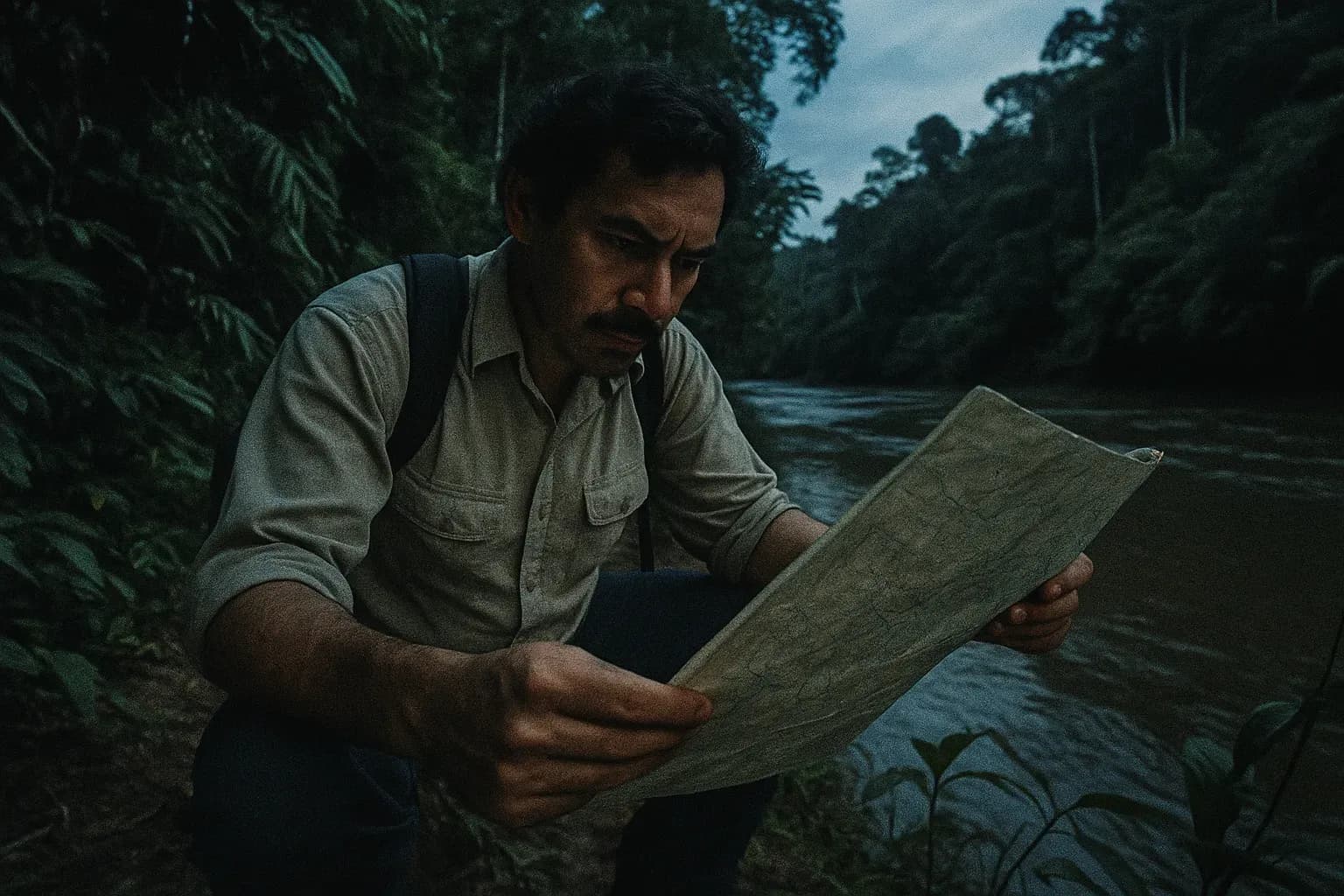
The Bre-X saga began in 1993 when the company acquired the rights to a remote area near the Busang River in Indonesia. The recommendation came from geologist John Felderhof, and Filipino geologist Michael de Guzman was hired to lead the exploration in Borneo. As early as 1994, Bre-X began issuing positive press reports of significant gold finds. The claims grew explosively. In 1995, Bre-X asserted it had found 30 million ounces of gold – worth billions of dollars. Supported by 'independent' consultant assessments, the estimates climbed further, and by 1997, the incredible figure reached a staggering 71 million ounces of gold.
Market gold rush: Bre-X shares soared to CAD 6 billion
The sensational news of the massive gold discovery sent Bre-X's stock price skyrocketing. From an obscure penny stock trading at less than 1 Canadian dollar (CAD) in 1993, the shares peaked at CAD 286.50 in 1996. The company's market capitalization exploded to a staggering CAD 6 billion. Major institutional investors, including reputable Canadian pension funds, jumped into the fray, lured by promises of a historic gold treasure in Busang that seemed to grow by the day.
Fraud uncovered: Gold 'salting' from rings and rivers
But the alleged wealth was a meticulously constructed lie – a gigantic fraud. Subsequent investigations revealed that the gold had been 'salted' – deliberately added – to the drill samples to falsify the results. Michael de Guzman and his accomplices had systematically tampered with the samples by adding gold dust from external sources. The scam reportedly started small, with gold from de Guzman's own wedding ring, but escalated into a massive fraud involving the purchase of thousands of dollars worth of river gold from local miners. The tampering of samples with gold allegedly took place in a billiard room at an office, where they could add the fake gold undisturbed. De Guzman's explanations of a so-called 'volcanic pool' were intended to account for the unusually rounded edges of the gold grains, and even experienced geologists were misled by the sophisticated forgery in this case of financial crime.