Background and Early Life
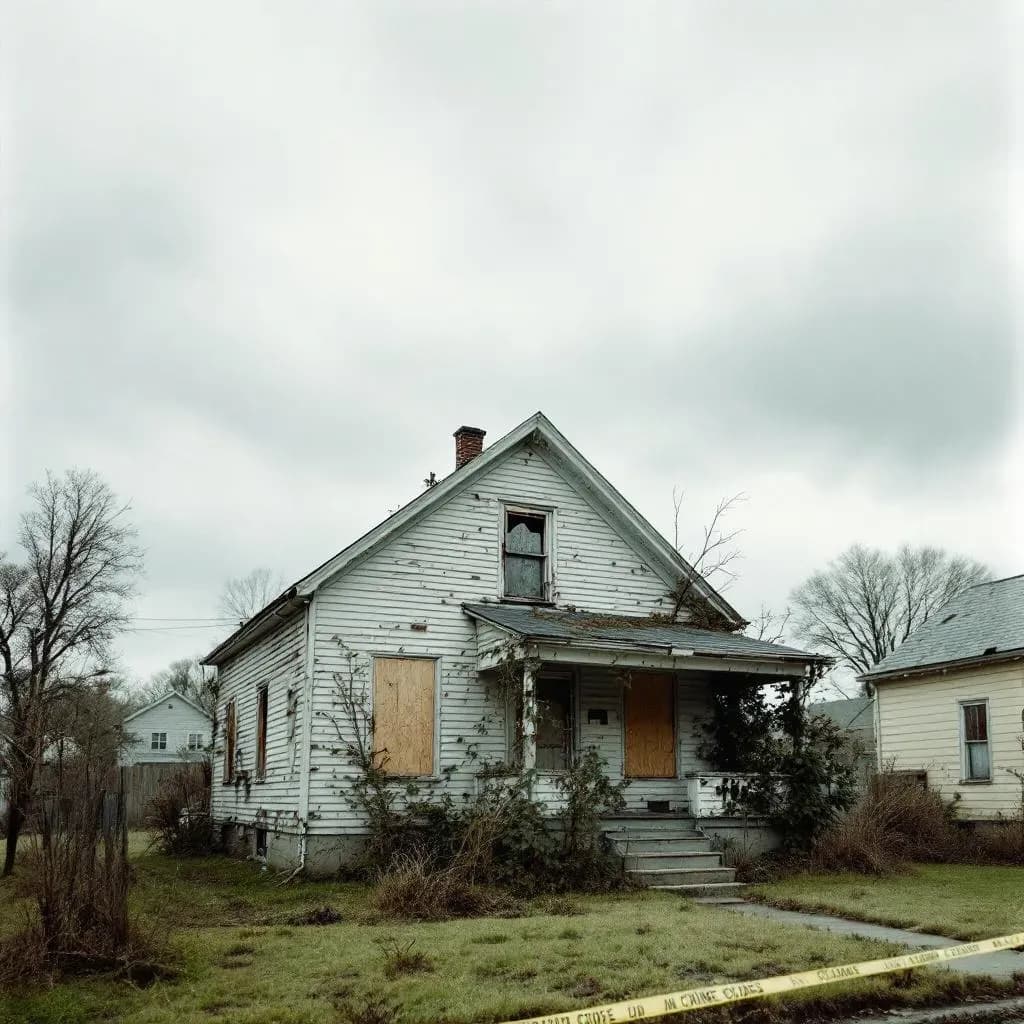
Shawn Michael Grate was born on August 8, 1976, in Marion, Ohio, and grew up under unstable circumstances. He had a turbulent childhood marked by abuse and family divorces. As an adult, Grate developed a pattern of criminality, including prior convictions for burglary and theft. He lived a transient life in northern Ohio, often in abandoned buildings and houses, where he would later commit his murders.
Grate was known for charming women, particularly vulnerable individuals with substance abuse issues or homelessness. He exploited their situations to lure them into his trap, making his victims especially easy targets for his violence.
The Murders and Victims
Shawn Grate's serial killing spree spanned at least ten years from 2006 to 2016. His first confirmed victim was Stacey Stanley Hicks, whose remains were discovered in 2015 in Marion County, although she had been killed as early as 2006. Grate later admitted to strangling her.
In 2016, his crimes escalated. On September 13, he murdered 29-year-old Elizabeth Griffith in Ashland, Ohio. Her body was later found in an abandoned house on Covert Court. His victims were women he had met through chance acquaintances or who lived unstable lives.
Grate was also connected to the murders of Candice Cunningham and Rebekah Leicy, whose remains were discovered in 2015. He was further charged with the murder of 23-year-old Dana Nicole Lowrey, who died in 2006 and was found in 2007 in Marion County.
The Critical 911 Call
Shawn Grate's murder spree came to a dramatic end on September 13, 2016. A woman whom Grate had abducted and held captive managed to call 911 while he slept. In a whispered emergency call, she told the operator about her situation and provided detailed information about her location in an abandoned house on Covert Court in Ashland.
The heroic call was recorded and has since received considerable attention in true crime circles. The woman told the operator that Grate had repeatedly raped her and threatened to kill her. Her composed reaction and ability to remain calm saved her life.
Police arrived quickly at the scene and arrested Grate without incident. During a search of the house, investigators found the bodies of Elizabeth Griffith and Stacey Stanley, both in an advanced state of decomposition.
Investigation and Confessions
Following his arrest, Shawn Grate began speaking with investigators. During lengthy interrogations, he provided detailed confessions about his crimes, including how he had lured, raped, and murdered his victims. He showed little remorse and described his actions in a cold and detached manner.
Grate led police to other crime scenes where additional victims were discovered. His confessions helped close several unsolved cases in the region. Investigators believe there may be additional victims who have not yet been identified.
His modus operandi was consistent: he targeted vulnerable women, often with substance abuse issues or without stable housing, whom he encountered in impoverished areas. He used abandoned buildings as his murder sites and repositories for the bodies.
The Trial and Conviction
Shawn Grate's trial began in April 2018 in Ashland County Common Pleas Court. Charges included five counts of murder, kidnapping, rape, and abuse of a corpse. The evidence against him was overwhelming, including his own confessions, DNA evidence, and testimony from the survivor.
Grate represented himself during the trial, which led to bizarre courtroom scenes. He attempted to cross-examine witnesses, including the woman he had kidnapped, which caused additional trauma to her.
On May 7, 2018, Shawn Grate was found guilty of two counts of aggravated murder. He was subsequently sentenced to death. He also admitted to two additional murders on March 1, 2019, in Richland County and a third murder on September 11, 2019, in Marion County.
Legacy and Impact
The Shawn Grate case has had significant impact on raising awareness about protecting vulnerable women and the importance of 911 systems. The survivor's courageous actions have inspired many and highlighted how crucial it is to remain calm in life-threatening situations.
The case has been the subject of numerous true crime documentaries and podcasts that examine Grate's psychology and the stories of his victims. The abandoned building on Covert Court has since been demolished.
Grate remains on death row awaiting execution. However, Ohio has had a moratorium on executions since 2018 due to problems obtaining lethal injection drugs, so his fate remains uncertain.
Psychological Profile
Experts who have analyzed Shawn Grate describe him as a classic serial killer with psychopathic traits. He displayed no genuine empathy for his victims and viewed them as objects rather than human beings. His ability to charm women masked deep-seated aggression and a need for control.
Grate's choice of victims—vulnerable women in marginalized situations—reflects a classic predatory pattern in which the perpetrator exploits those with the least protection and whose disappearance might not be reported immediately. This enabled him to operate for years without being caught.
His use of abandoned buildings demonstrates planning and understanding of how to avoid detection, which distinguishes him from more impulsive murderers.