True crime news logo
  • Podcasts Movies & Series Books
  • News
True crime news logo

The international true crime destination. Cases, documentaries, podcasts and travel routes.

© 2026 truecrime.news. All rights reserved.

Sagsmappe

Willie Sutton: from Brooklyn to legendary heists
Mappe Åbnet: JUNE 6, 2025 AT 09:59 AM
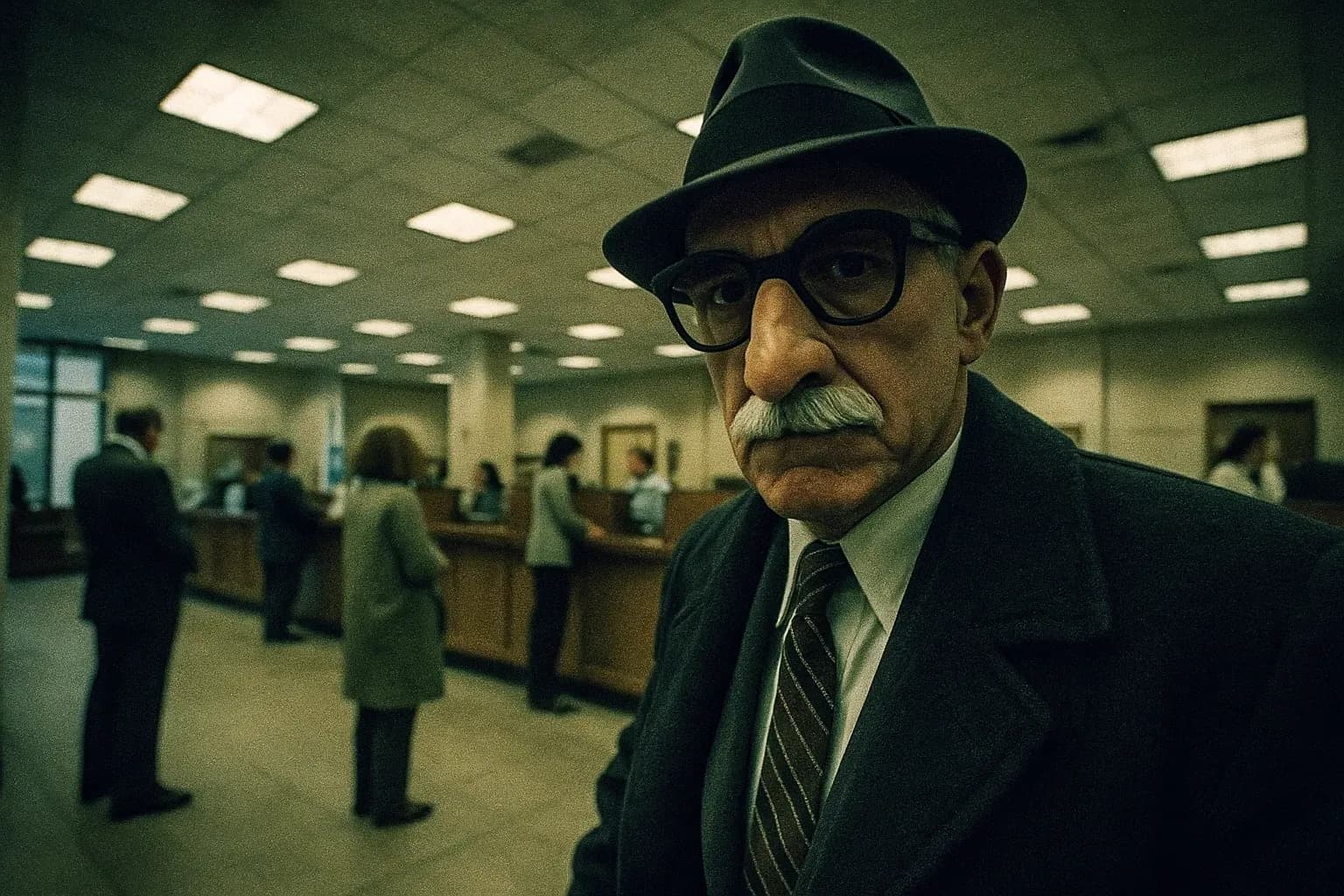
A figure resembling Willie Sutton poses in a bank lobby, dressed in a meticulous disguise, blending into the surroundings as patrons and staff go about their business, unaware of the heist in progress.
BEVIS

Sagsdetaljer

Quick Facts

Klassifikation:

Escape
Unsolved case
Fraud
USA
New York
Fbi
Historical
Celebrity

Quick Facts

LocationVinegar Hill, Brooklyn, New York City, USA

Sutton's fate: FBI's "Most Wanted" era ends in 1952

It was a cold February day in 1952 when a young tailor's son from Brooklyn coincidentally encountered a living legend in the New York City subway system. The 24-year-old immediately recognized the well-dressed man – it was the notorious bank robber Willie Sutton, a man whose face had adorned the FBI's "Most Wanted" list for two years. This recognition brought an end to one of America's most remarkable criminal careers. Sutton's career spanned four decades and was marked by spectacular prison escapes, brilliant disguises, and bank robberies netting over two million dollars at contemporary value. This high-profile case raised the question: Who was the man behind the myth of Willie Sutton, and what drove him to consistently challenge the law? To understand Sutton, we must delve into a historical narrative of social inheritance, intellect, and an indomitable urge to challenge the system.

From Brooklyn to robber: Sutton's early life and drive

Willie Sutton, born William Francis Sutton Jr. on June 30, 1901, grew up in Vinegar Hill, an impoverished Irish immigrant neighborhood in Brooklyn. His upbringing in a working-class family under difficult circumstances shaped his survival instincts early on. Although he left school early, Sutton was intelligent, a trait that later became evident in his meticulous planning of bank robberies. His criminal career began with petty thefts, but in the 1920s, it escalated to specialized bank robberies. For Sutton, it wasn't just about the money; he found deep satisfaction in the intellectual challenge and the thrill. He himself stated that he felt "more alive... during a robbery". This insight into his psychology suggests a complex motivation beyond simple gain, perhaps bordering on a form of thrill-seeking behavior.

"The Actor": Sutton's disguises and polite bank robbery

Willie Sutton's nickname, "The Actor", was well-deserved. His masterful disguises and role-playing were legendary. He could convincingly pose as a postman, police officer, or maintenance worker, which was a key part of his deception. This talent for identity theft, adopting false personas, impressed both police and accomplices. In Philadelphia in 1933, he was an electrician; in 1934, he surgically altered his appearance to look older. Sutton's method, however, was more than just disguise; he innovated the psychology of bank robbery with unexpected politeness. He avoided gratuitous violence and often apologized for the inconvenience, leading one victim to say it felt like "being in a movie". This underscores his unique approach to crime in the USA.

Identity theft
finanskriminalitet
Sagsstatus
Løst
Sted
Vinegar Hill, Brooklyn, New York City, USA

Escape genius: Sutton's exit from Holmesburg Prison 1947

Willie Sutton's prison escapes were legendary and testament to his exceptional planning skills. His most famous escape occurred from Holmesburg Prison in 1947, where he and four fellow inmates escaped using fake guard uniforms and a ladder. In the midst of the escape, Sutton calmly shouted to the guards: "It's okay – we're just doing some repairs!" This audacity underscored his reputation as a master thief who could outwit any system, even while incarcerated. An earlier, albeit unsuccessful, prison escape from Eastern State Penitentiary in 1945 involved a 97-foot long tunnel. Each escape exposed not only Sutton's cunning but also deficiencies in the prison systems of the USA at the time.

Sutton's quote: Myth vs. true drive – intellectual challenge

The most famous quote attributed to Willie Sutton is: "I robbed banks because that's where the money is." Ironically, Sutton himself denied originating these words, believing they came from a journalistic source. Nevertheless, he admitted that the quote aptly described his pragmatic, albeit criminal, logic. Sutton's deeper motivation, according to him, was the challenge – the intellectual duel against security systems and the satisfaction of proving that nothing was impregnable. Money was secondary; the joy lay in outsmarting the system. This complex psychology, where bank robbery became a form of performance art, makes Willie Sutton's story of lawlessness unique.

After crime: Sutton's final years and "Sutton's Law" legacy

After his final arrest in 1952, Willie Sutton spent 17 years in captivity before being released in 1969. Ironically, the former bank robber subsequently became a security consultant for a bank. His autobiographies, such as "Where the Money Was", became bestsellers and offered a rare insight into the mind of a famous criminal, making him a sort of celebrity outlaw. Willie Sutton died in 1980 as a controversial figure: a dangerous criminal to some, an anti-hero to others. His life path, from the streets of Brooklyn to the top of the FBI's "Most Wanted" list and finally an author, illustrates the human fascination with the type of crime that borders on art. Even today, his name lives on, partly through "Sutton's Law" in medicine, a curious legacy connecting him with both lawlessness and life-saving principles in this historical case.

Follow KrimiNyt for more in-depth cases about legendary criminals and historical crime stories.

Read more

Atlanta Monster reveals America's justice flaws
Podcast

Atlanta Monster reveals America's justice flaws

American Scandal: Deep Dives
Podcast

American Scandal: Deep Dives

The Great Art Heist
TV Series

The Great Art Heist

Related Content
Atlanta Monster reveals America's justice flaws

Atlanta Monster reveals America's justice flaws

American Scandal: Deep Dives

American Scandal: Deep Dives

The Great Art Heist

The Great Art Heist

A figure resembling John Dillinger lies on the sidewalk outside the Biograph Theater in Chicago, surrounded by law enforcement officers and curious onlookers.

John Dillinger: Public Enemy No. 1, FBI Hunt Ends

Advertisement

Susanne Sperling

Admin

Share this post:
Sagsmappe

Willie Sutton: from Brooklyn to legendary heists

Mappe Åbnet: JUNE 6, 2025 AT 09:59 AM
A figure resembling Willie Sutton poses in a bank lobby, dressed in a meticulous disguise, blending into the surroundings as patrons and staff go about their business, unaware of the heist in progress.
BEVIS

Sagsdetaljer

Quick Facts

Klassifikation:

Escape
Unsolved case
Fraud
USA
New York
Fbi
Historical
Celebrity
Identity theft
finanskriminalitet
Sagsstatus
Løst
Sted
Vinegar Hill, Brooklyn, New York City, USA

Quick Facts

LocationVinegar Hill, Brooklyn, New York City, USA

Sutton's fate: FBI's "Most Wanted" era ends in 1952

It was a cold February day in 1952 when a young tailor's son from Brooklyn coincidentally encountered a living legend in the New York City subway system. The 24-year-old immediately recognized the well-dressed man – it was the notorious bank robber Willie Sutton, a man whose face had adorned the FBI's "Most Wanted" list for two years. This recognition brought an end to one of America's most remarkable criminal careers. Sutton's career spanned four decades and was marked by spectacular prison escapes, brilliant disguises, and bank robberies netting over two million dollars at contemporary value. This high-profile case raised the question: Who was the man behind the myth of Willie Sutton, and what drove him to consistently challenge the law? To understand Sutton, we must delve into a historical narrative of social inheritance, intellect, and an indomitable urge to challenge the system.

From Brooklyn to robber: Sutton's early life and drive

Willie Sutton, born William Francis Sutton Jr. on June 30, 1901, grew up in Vinegar Hill, an impoverished Irish immigrant neighborhood in Brooklyn. His upbringing in a working-class family under difficult circumstances shaped his survival instincts early on. Although he left school early, Sutton was intelligent, a trait that later became evident in his meticulous planning of bank robberies. His criminal career began with petty thefts, but in the 1920s, it escalated to specialized bank robberies. For Sutton, it wasn't just about the money; he found deep satisfaction in the intellectual challenge and the thrill. He himself stated that he felt "more alive... during a robbery". This insight into his psychology suggests a complex motivation beyond simple gain, perhaps bordering on a form of thrill-seeking behavior.

"The Actor": Sutton's disguises and polite bank robbery

Willie Sutton's nickname, "The Actor", was well-deserved. His masterful disguises and role-playing were legendary. He could convincingly pose as a postman, police officer, or maintenance worker, which was a key part of his deception. This talent for identity theft, adopting false personas, impressed both police and accomplices. In Philadelphia in 1933, he was an electrician; in 1934, he surgically altered his appearance to look older. Sutton's method, however, was more than just disguise; he innovated the psychology of bank robbery with unexpected politeness. He avoided gratuitous violence and often apologized for the inconvenience, leading one victim to say it felt like "being in a movie". This underscores his unique approach to crime in the USA.

Escape genius: Sutton's exit from Holmesburg Prison 1947

Willie Sutton's prison escapes were legendary and testament to his exceptional planning skills. His most famous escape occurred from Holmesburg Prison in 1947, where he and four fellow inmates escaped using fake guard uniforms and a ladder. In the midst of the escape, Sutton calmly shouted to the guards: "It's okay – we're just doing some repairs!" This audacity underscored his reputation as a master thief who could outwit any system, even while incarcerated. An earlier, albeit unsuccessful, prison escape from Eastern State Penitentiary in 1945 involved a 97-foot long tunnel. Each escape exposed not only Sutton's cunning but also deficiencies in the prison systems of the USA at the time.

Sutton's quote: Myth vs. true drive – intellectual challenge

The most famous quote attributed to Willie Sutton is: "I robbed banks because that's where the money is." Ironically, Sutton himself denied originating these words, believing they came from a journalistic source. Nevertheless, he admitted that the quote aptly described his pragmatic, albeit criminal, logic. Sutton's deeper motivation, according to him, was the challenge – the intellectual duel against security systems and the satisfaction of proving that nothing was impregnable. Money was secondary; the joy lay in outsmarting the system. This complex psychology, where bank robbery became a form of performance art, makes Willie Sutton's story of lawlessness unique.

After crime: Sutton's final years and "Sutton's Law" legacy

After his final arrest in 1952, Willie Sutton spent 17 years in captivity before being released in 1969. Ironically, the former bank robber subsequently became a security consultant for a bank. His autobiographies, such as "Where the Money Was", became bestsellers and offered a rare insight into the mind of a famous criminal, making him a sort of celebrity outlaw. Willie Sutton died in 1980 as a controversial figure: a dangerous criminal to some, an anti-hero to others. His life path, from the streets of Brooklyn to the top of the FBI's "Most Wanted" list and finally an author, illustrates the human fascination with the type of crime that borders on art. Even today, his name lives on, partly through "Sutton's Law" in medicine, a curious legacy connecting him with both lawlessness and life-saving principles in this historical case.

Follow KrimiNyt for more in-depth cases about legendary criminals and historical crime stories.

Read more

Atlanta Monster reveals America's justice flaws
Podcast

Atlanta Monster reveals America's justice flaws

American Scandal: Deep Dives
Podcast

American Scandal: Deep Dives

The Great Art Heist
TV Series

The Great Art Heist

Related Content
Atlanta Monster reveals America's justice flaws

Atlanta Monster reveals America's justice flaws

American Scandal: Deep Dives

American Scandal: Deep Dives

The Great Art Heist

The Great Art Heist

A figure resembling John Dillinger lies on the sidewalk outside the Biograph Theater in Chicago, surrounded by law enforcement officers and curious onlookers.

John Dillinger: Public Enemy No. 1, FBI Hunt Ends

Advertisement

Susanne Sperling

Admin

Share this post: