Gunshot on the Terrace
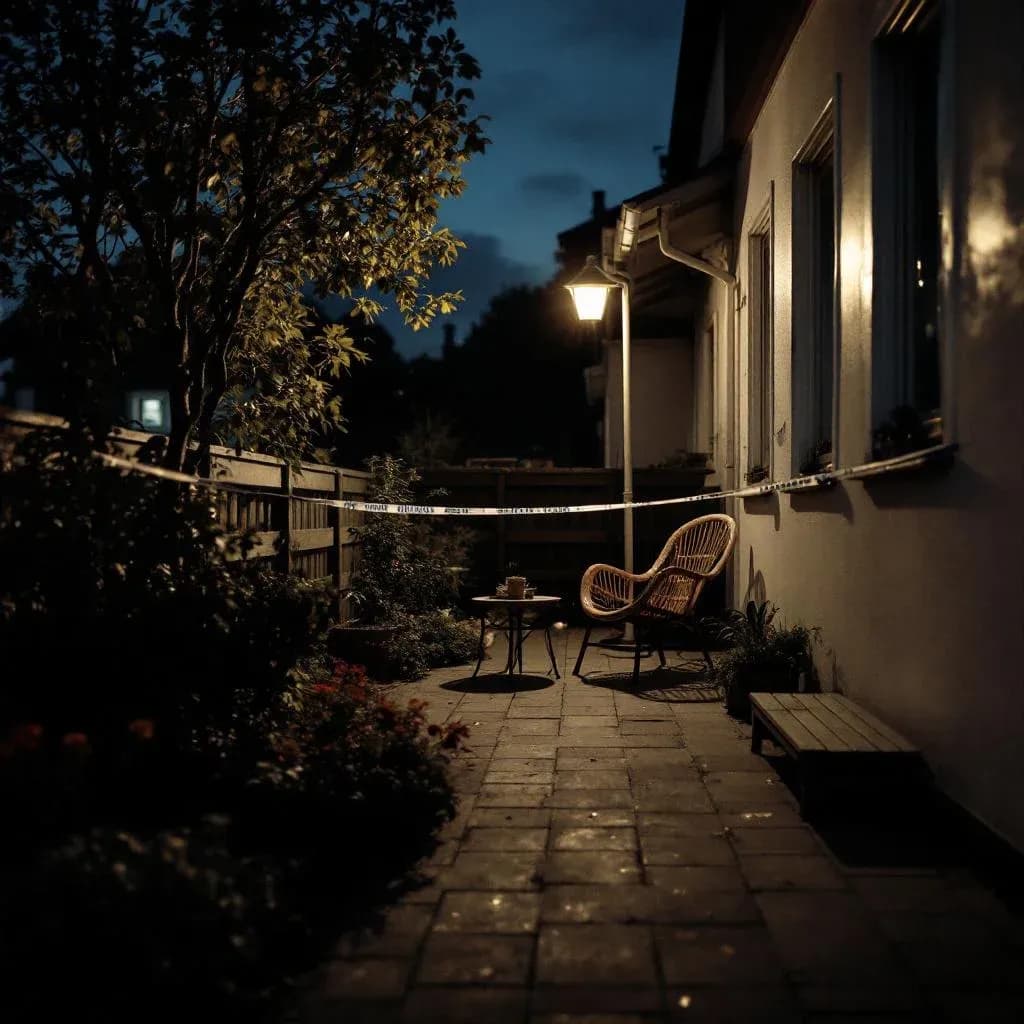
In the early morning hours of June 2, 2019, around 1:30 a.m., Stephan Ernst shot and killed Regierungspräsident Walter Lübcke on the terrace of his home in Istha, a district of Wolfhagen in the Kassel area. The 65-year-old CDU politician had no chance. Ernst fired a 12-gauge shotgun at close range. It was the first murder of a mainstream politician committed by a right-wing extremist in Germany since 1990.
The perpetrator was no stranger to authorities. Stephan Ernst, born in 1975, had a long history in right-wing extremist networks. Multiple convictions for violence and incitement against population groups appeared on his criminal record. Nevertheless, he was not classified as an acute threat—a failure that would later trigger harsh criticism.
The Victim: Walter Lübcke
Walter Lübcke had served as Regierungspräsident of the Kassel district since 2009 and was known as a dedicated advocate for a humanitarian refugee policy. In October 2015, at a public meeting in Borken, he declared that anyone who did not share values of compassion was welcome to leave the country. That statement, made at the height of the refugee crisis, made him a target for right-wing extremist harassment online.
Ernst had seen the speech and subsequently threatened Lübcke online. Over months, he observed the politician, mapped his daily routines, and planned the murder with great care. It was not a spontaneous outburst but the result of politically motivated terrorism.
The Investigation: DNA Exposed the Perpetrator
Police found no signs of forced entry at the crime scene. The perpetrator had climbed over the terrace. But a critical mistake by Ernst proved his undoing: a drop of blood found at the scene. DNA analysis led investigators to Stephan Ernst, who was arrested on June 26, 2019, in his hometown of Laufdorf near Runatal.
During the house search, police found multiple weapons, ammunition, and extensive right-wing extremist material. Ernst had not only targeted Lübcke—he was part of a network that threatened politicians and activists. The federal prosecutor took over the case due to suspicions of right-wing extremist terrorism.
The Trial: Confession and Verdict
On November 3, 2019, the trial against Stephan Ernst began at the Regional Court in Frankfurt am Main. During the proceedings, he confessed to a racially and xenophobically motivated murder. He wanted to punish Lübcke for his pro-immigration stance.
On July 28, 2020, the court issued its verdict: life imprisonment for murder based on base motives. Judge Thomas Hille was unequivocal: "The murder of Walter Lübcke was politically motivated and an attack on the democratic order." The Federal Constitutional Court rejected the appeal on July 4, 2020—the sentence was final.
Political Consequences and Failures
The murder of Walter Lübcke triggered intense debate about failures within the Federal Office for the Protection of the Constitution. Ernst was known to authorities but was not assessed as an acute threat. His case revealed blind spots in the fight against lone-wolf right-wing extremists.
Chancellor Angela Merkel commented on June 3, 2019, about a "cowardly murder" that filled her with "deep horror." Federal Interior Minister Horst Seehofer called the act an "attack on the state." A reassessment of the threat picture for politicians was initiated—security measures were strengthened, and reporting systems were improved.
In Wolfhagen, a school was named after Walter Lübcke. Annual commemorations keep the memory of the politician who paid with his life for his convictions. His death marks a turning point: right-wing extremist terror had reached the heart of society.