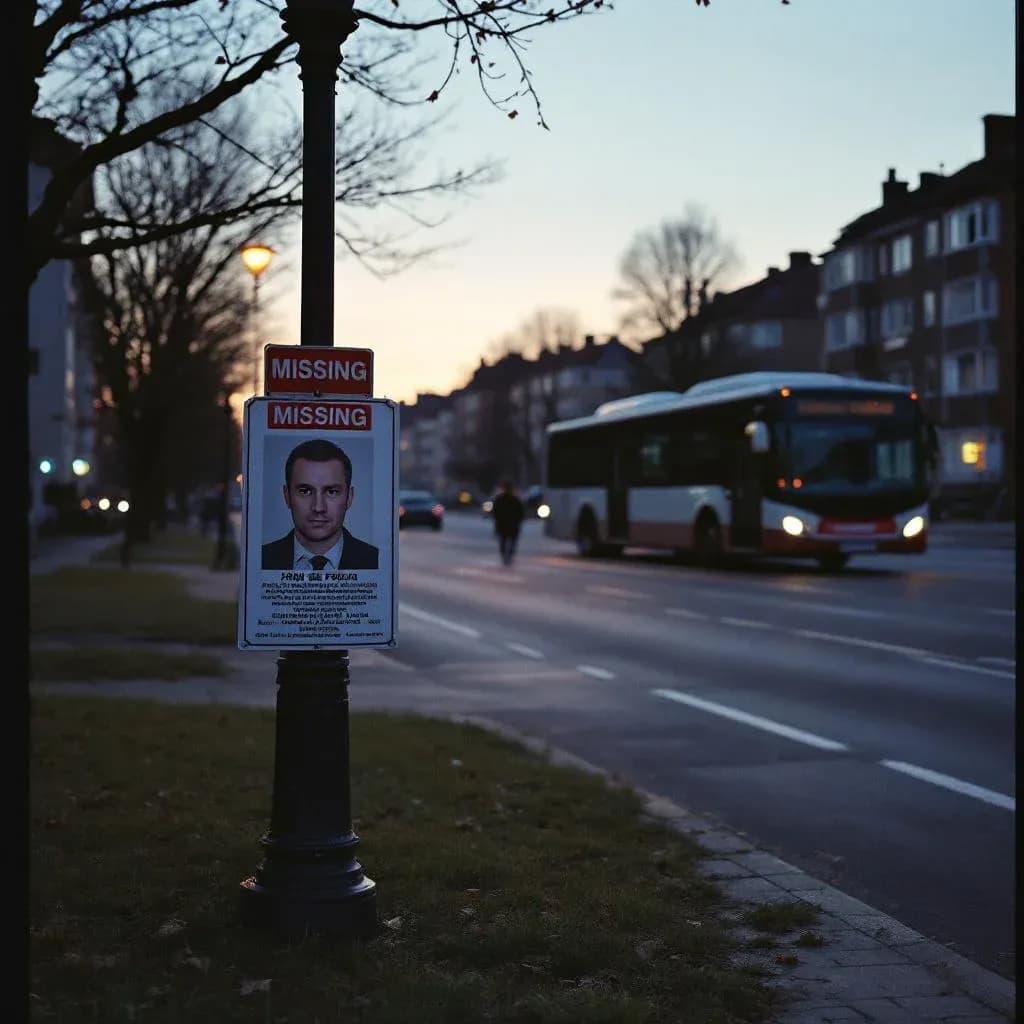
The Rebecca Reusch Case — Berlin 2019
12-årig pige forsvinder sporløst fra Berlins villakvareter
Sagsdetaljer
Quick Facts
Quick Facts
The Disappearance
Rebecca Reusch was an ordinary 12-year-old German-Danish girl living with her family in Lichterfelde, an affluent residential district in western Berlin. On February 18, 2019, she vanished without a trace from her home — a disappearance that would become Germany's most discussed missing person investigation in two decades.
Rebecca's parents filed a police report when their daughter failed to appear at school. Her bedroom was neatly made, with no signs of assault or burglary. It quickly became clear that the girl must have disappeared from her own bed during the night of February 18-19.
The International Investigation
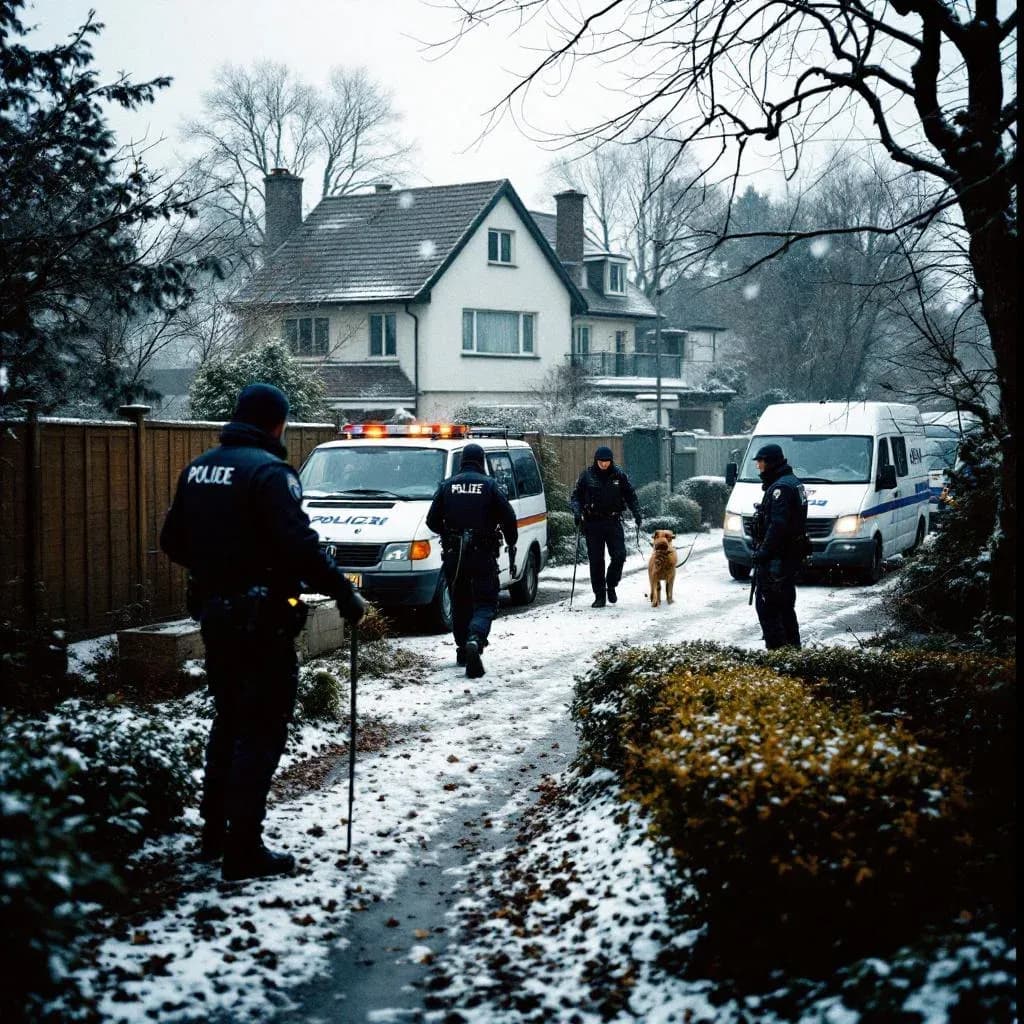
German police immediately launched a massive investigation. Because Rebecca's mother was Danish, Danish police were also brought into the case. Hundreds of officers searched the area around Lichterfelde, helicopters were deployed, and the investigation extended to Denmark, where the girl had family and a summer house.
At one point, searches focused on a lake near the family's house in Denmark, where divers conducted targeted searches without results. The theory that Rebecca had been taken to Denmark was never confirmed.
Suspicion Falls on the Cousin
Within a short time, suspicion turned toward the family. Police focused on Rebecca's 27-year-old cousin, who lived in the same house. He was arrested and extensively interrogated. Police believed they had strong evidence against him, but after repeated questioning, he was released. Although he remained the primary suspect, there was insufficient legal grounds for prosecution under German criminal law.
The specific evidence police had against the cousin was never made public. German legal culture provides significant protections for the accused, and without a body or other decisive physical evidence, the case became difficult to present in court.
Searching for Answers
In the years following the disappearance, new searches were conducted in and around Berlin. Police followed countless tips from the public — some credible, many less reliable. Dogs were deployed, soil was excavated at multiple locations, and electronic tracking methods were used.
Rebecca's case became one of Germany's most discussed criminal cases. Documentaries were produced, podcasts launched, and there was constant media debate about whether the justice system had failed the 12-year-old victim. Among Danish true crime enthusiasts, the case also became well-known, particularly because Rebecca's maternal line was Danish.
Unsolved to This Day
Today, several years after the disappearance, Rebecca Reusch's fate remains unknown. Her body has never been found, and no person has been charged in the case. This means that legally, new investigations can be opened if new evidence emerges — Germany has many examples of old unsolved cases that have suddenly been reopened after years of stagnation.
For the family, it is an endless struggle to bring their daughter home and achieve justice. Rebecca's image still circulates on German investigation websites, and her name remains one of the most recognized among missing children in Germany — a tragic monument to a case that demonstrates the limits of even the most extensive police operations.