Chaos at the City Festival
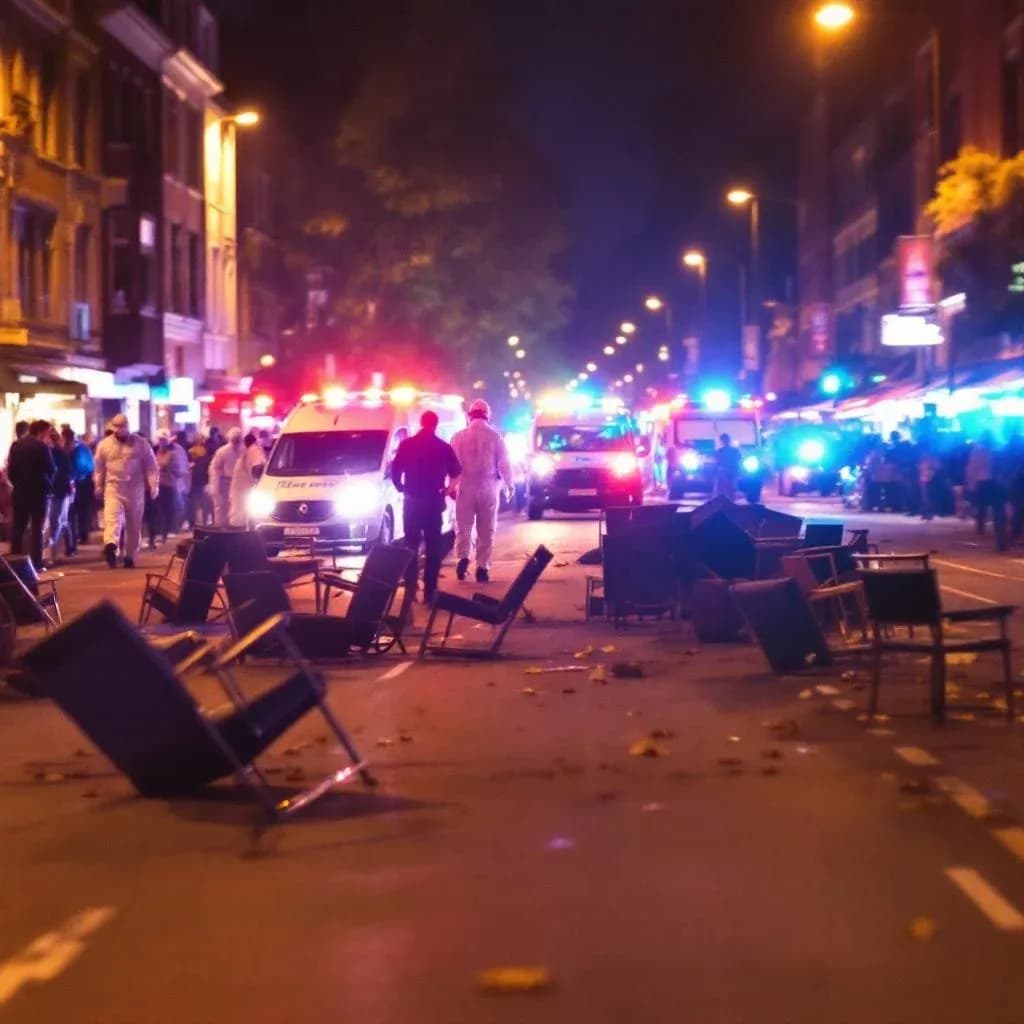
On the evening of August 23, 2024, a festive city celebration in Solingen descended into horror when a Syrian asylum seeker attacked revelers with a knife. Within minutes, he had killed three people and seriously wounded eight others before disappearing into the crowd.
The festival was meant to celebrate Solingen's 650-year history, but instead became a symbol of terror and death. Herbert Reul, the interior minister of North Rhine-Westphalia, immediately classified the attack as terrorism. Shortly after, Islamic State claimed responsibility, calling the perpetrator one of their "soldiers."
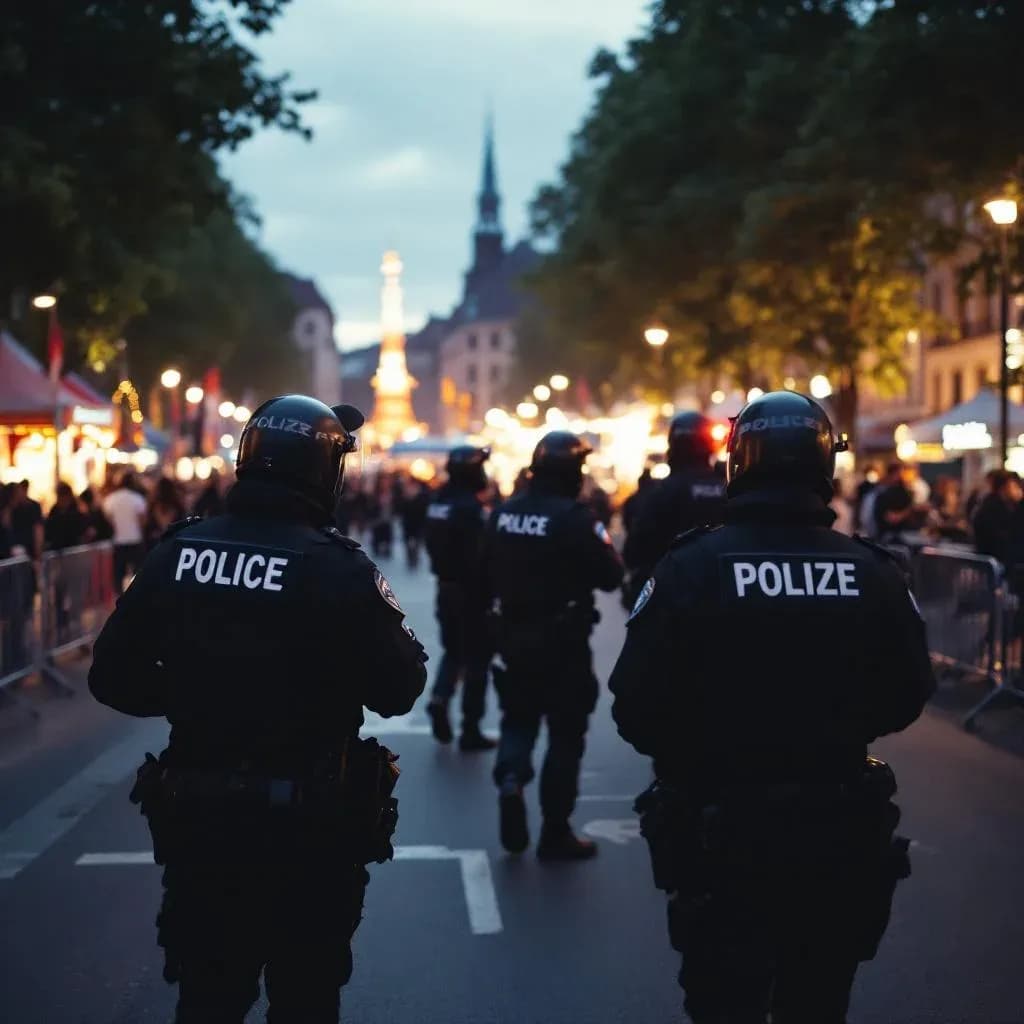
The eight seriously wounded were rushed into emergency surgery, with several fighting for their lives in the days following the attack. Police cordoned off large sections of Solingen, and authorities mobilized on a massive scale.
Deported Man Disappeared from Authorities
One detail made the case even more explosive: the perpetrator had been ordered to leave Germany. He was supposed to have left the country but went underground and vanished from the authorities' oversight.
Investigations by the Federal Prosecutor General revealed that the man had radicalized within Islamist terrorism circles. A pressing question emerged: How could a deported man with such serious threats to the state simply disappear? Critics spoke of systemic failure and inadequate monitoring by authorities.
The Solingen attack exemplified an alarming trend: radicalized individuals using simple weapons to inflict maximum damage at public gatherings across Europe.
Debate Before the Election
The attack became a turning point in German migration policy. Just months before the federal election in February 2025, one of the most intense domestic political debates in years erupted. All parties were forced to clarify their positions on deportations, border control, and counterterrorism.
The federal government announced tougher measures: faster asylum proceedings, more consistent deportations of rejected asylum seekers, and increased monitoring of potentially dangerous individuals. The debate over safe countries of origin gained new momentum.
In Solingen itself, shock prevailed. A city that saw itself as open and inclusive now had to grapple with the consequences of terrorism. Thousands attended memorial services. Grief over the victims mixed with political demands for action.
Investigation Continues
The investigation into the attack continues. Parliamentary committees are reviewing how a deported man could remain in the country and plan an attack. Security authorities are analyzing their procedures to prevent future terrorist acts.
The Solingen case stands as an example of the challenges Germany and Europe face in fighting terrorism: balancing humanitarian values with security, implementing effective deportations, and preventing radicalization. A year after the attack, these questions remain central to political debate.