A Door Prevented Massacre
On October 9, 2019, 28-year-old Stephan Balliet drove to the synagogue in Halle an der Saale. It was Yom Kippur—Judaism's holiest day—and approximately 70–80 worshippers had gathered for prayer inside. Balliet intended to kill them all.
He was armed with homemade weapons, including a sawn-off shotgun, and carried self-made explosives. A GoPro camera mounted on his helmet was meant to document mass murder.
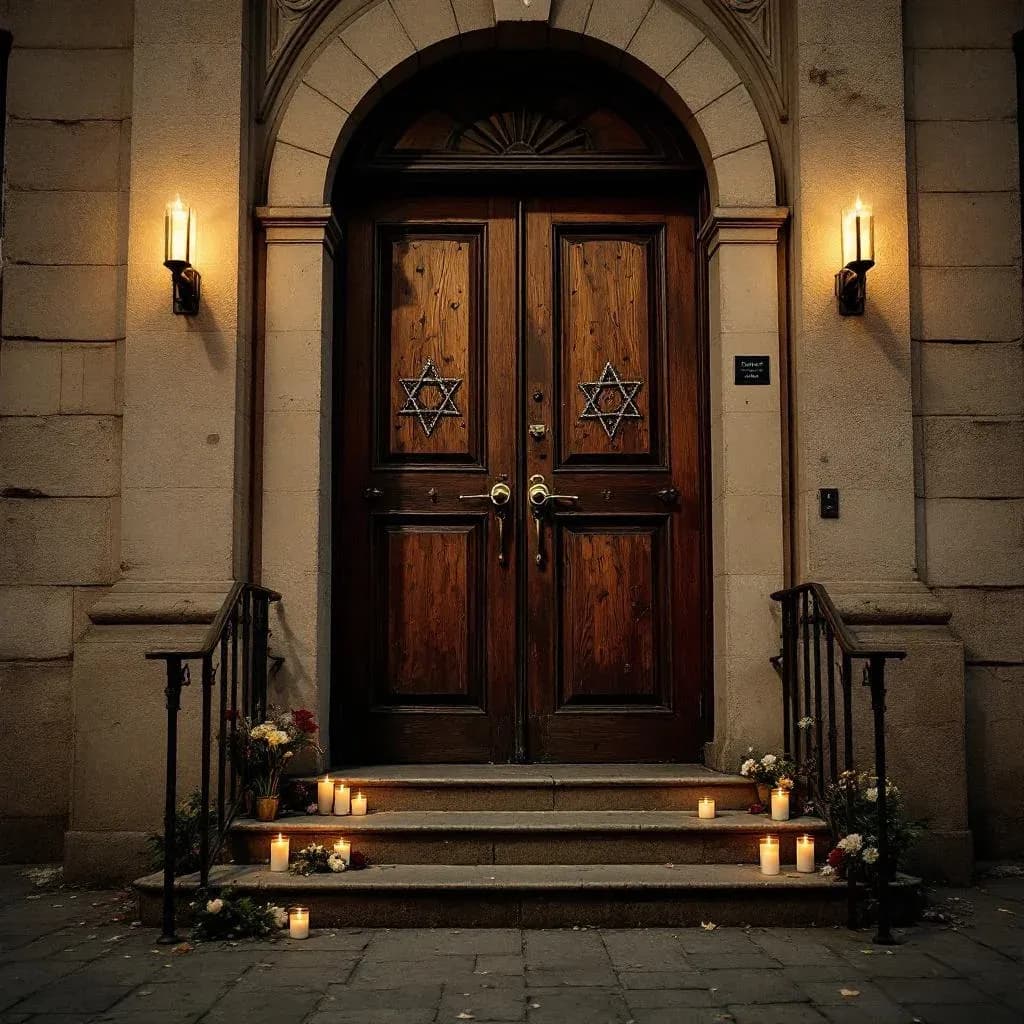
Balliet attempted to blow through and shoot his way through the synagogue's heavy outer door. Repeatedly. Without success. The robust construction held. After numerous failed attempts, he gave up—frustrated at being unable to gain entry.
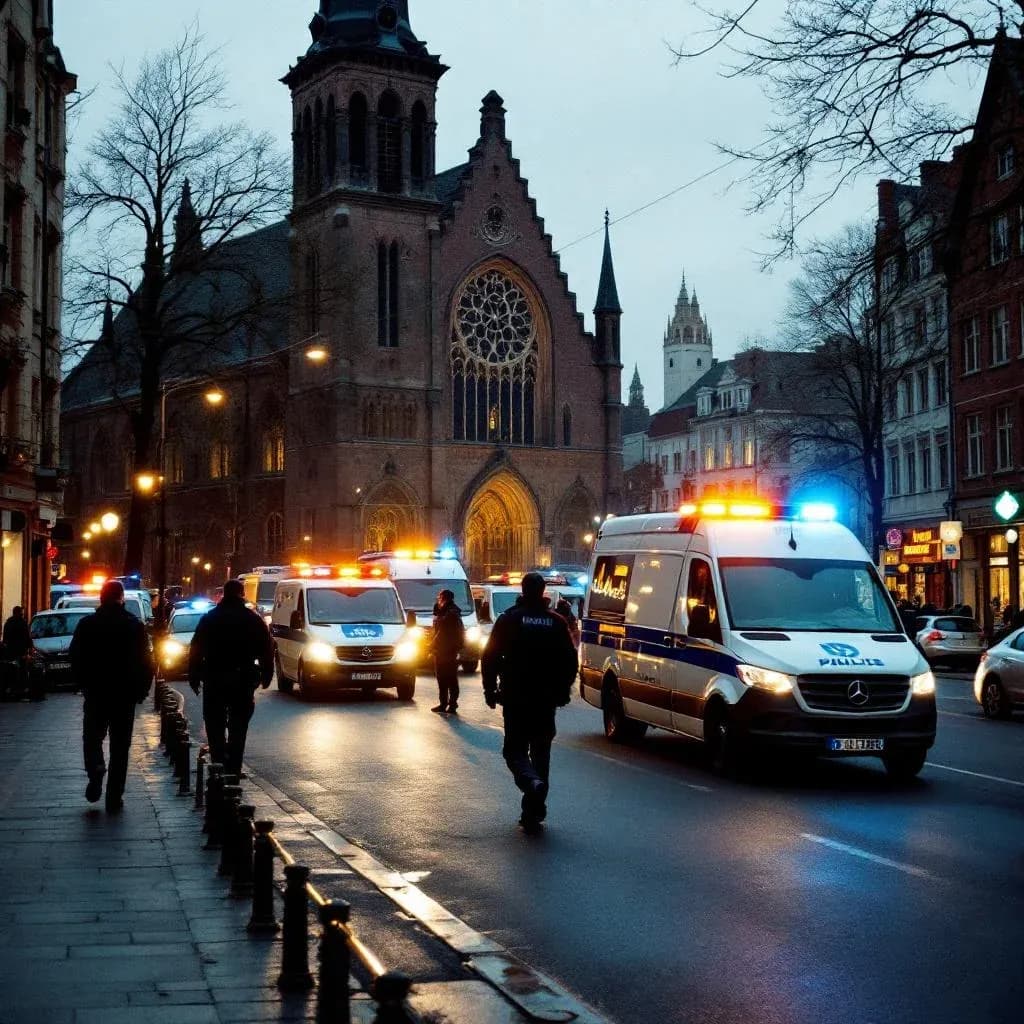
Instead of committing mass murder inside the synagogue, he turned to random violence. Minutes after attacking the synagogue, he shot 40-year-old Halka-Cyrielle Czuchaj outside a Turkish restaurant. Shortly after, he killed 20-year-old Kevin-Sören Brenner, who worked at the establishment. Two others were wounded. The entire attack lasted around 35 minutes before police arrested him as he fled.
Direct Broadcast of Terror on Twitch
Balliet livestreamed the entire attack on Twitch, the streaming platform owned by Amazon. For 35 minutes, between 2,000 and 5,000 people worldwide watched as he narrated his actions in English with antisemitic, racist, and right-wing extremist statements. He shared conspiracy theories and referenced Christchurch massacre.
The footage showed in detail his futile attempts to break into the synagogue as well as the killings of the two victims. Twitch removed the stream, but copies were shared on right-wing extremist forums. German police and the FBI analyzed the material. The case became an example of how terrorist propaganda is spread on social media.
Life Sentence Without Possibility of Release
Stephan Balliet was charged with two counts of murder, attempted murder in multiple cases, dangerous assault, illegal weapons possession, and manufacture of explosives. He had produced parts of the weapons himself using a 3D printer.
On February 11, 2020, the regional court in Naumburg sentenced him to life imprisonment with special security—release after 15 years is practically impossible. The judge determined that Balliet acted according to a right-wing extremist, fanatically racist worldview.
The Bundesgerichtshof (German Federal Court of Justice) confirmed the sentence definitively on July 20, 2022. Balliet never expressed remorse. Survivors from the synagogue and victims' families demanded compensation and thorough examination of the extent of antisemitism in Germany.
Criticism of Inadequate Security
The attack revealed serious gaps in the protection of Jewish institutions in Germany. The Halle synagogue had no police presence—not even on the most important Jewish holiday. There were no guards or visible security presence. Only the door's construction prevented the worst.
Federal Interior Minister Horst Seehofer (CSU) called the attack "a new low point for antisemitism in Germany." Chancellor Angela Merkel stated in her Bundestag address: "We mourn the victims and stand united against hatred and antisemitism."
The result was tangible security improvements. State protection of synagogues increased by approximately 50 percent by 2020. A parliamentary commission treated the case as a "wake-up call" and had structural weaknesses investigated. The case also revealed how easily Balliet could obtain material for weapons and explosives online—a challenge for authorities.
In the years that followed, new antisemitic incidents were reported in Halle. In 2023, hateful flyers were distributed calling for a boycott of the Jewish congregation. The threats continue.
Two Random Victims
Halka-Cyrielle Czuchaj and Kevin-Sören Brenner were not selected targets. They were in the wrong place at the wrong time, encountering a perpetrator frustrated by his failed massacre attempt.
The families and synagogue survivors harshly criticized the authorities. They demanded answers and honest confrontation with right-wing extremism and antisemitism. The congregation emphasized: only luck—and a solid door—prevented catastrophe. Not a planned security architecture.