True crime news logo
  • News
True crime news logo

The international true crime destination. Cases, documentaries, podcasts and travel routes.

© 2026 truecrime.news. All rights reserved.

Sagsmappe

Fritz Honka – Serial Killer from Hamburg's Red-Light District

Four women murdered and hidden in walls of tiny attic apartment

Mappe Åbnet: MAY 7, 2026 AT 07:30 PM
Fritz Honka — Der Frauenmörder von St. Pauli
BEVIS

Sagsdetaljer

Quick Facts

Sted
St. Pauli district, Hamburg, Germany
Perpetrator
Fritz Heinrich Honka (*1935, †1998)
Crime Period
January 11, 1971 to January 10, 1975

Quick Facts

LocationSt. Pauli district, Hamburg, Germany
PerpetratorFritz Heinrich Honka (*1935, †1998)
Crime PeriodJanuary 11, 1971 to January 10, 1975
LocationKieler Straße 9, Hamburg-St. Pauli
Victims4 women (Anna Struwe, Frieda Ebeling, Wilma Katschinski, Heidi Fiedler)

Serial Killer in the St. Pauli District

Fritz Heinrich Honka murdered four women in his tiny 150-square-foot attic apartment at Kieler Straße 9 in Hamburg's notorious St. Pauli district. The alcoholic shipyard worker strangled his victims after drinking sessions together, dismembered the bodies, and hid the body parts in cupboards, under the roof, and behind wall panels.

Only when a fire broke out in his apartment on July 9, 1975, did firefighters discover the mummified remains. The four victims were all women from the prostitution scene: Anna Struwe (58 years old), murdered January 11, 1971, Frieda Ebeling (murdered 1972), Wilma Katschinski (murdered 1974), and Heidi Fiedler (approximately 42 years old), who as the youngest died on January 9 or 10, 1975.

Honka had met all the women in bars such as "Zum Paddel" or "Zur Katze," where he was a regular patron.

Hamburg's Underworld in the 1970s

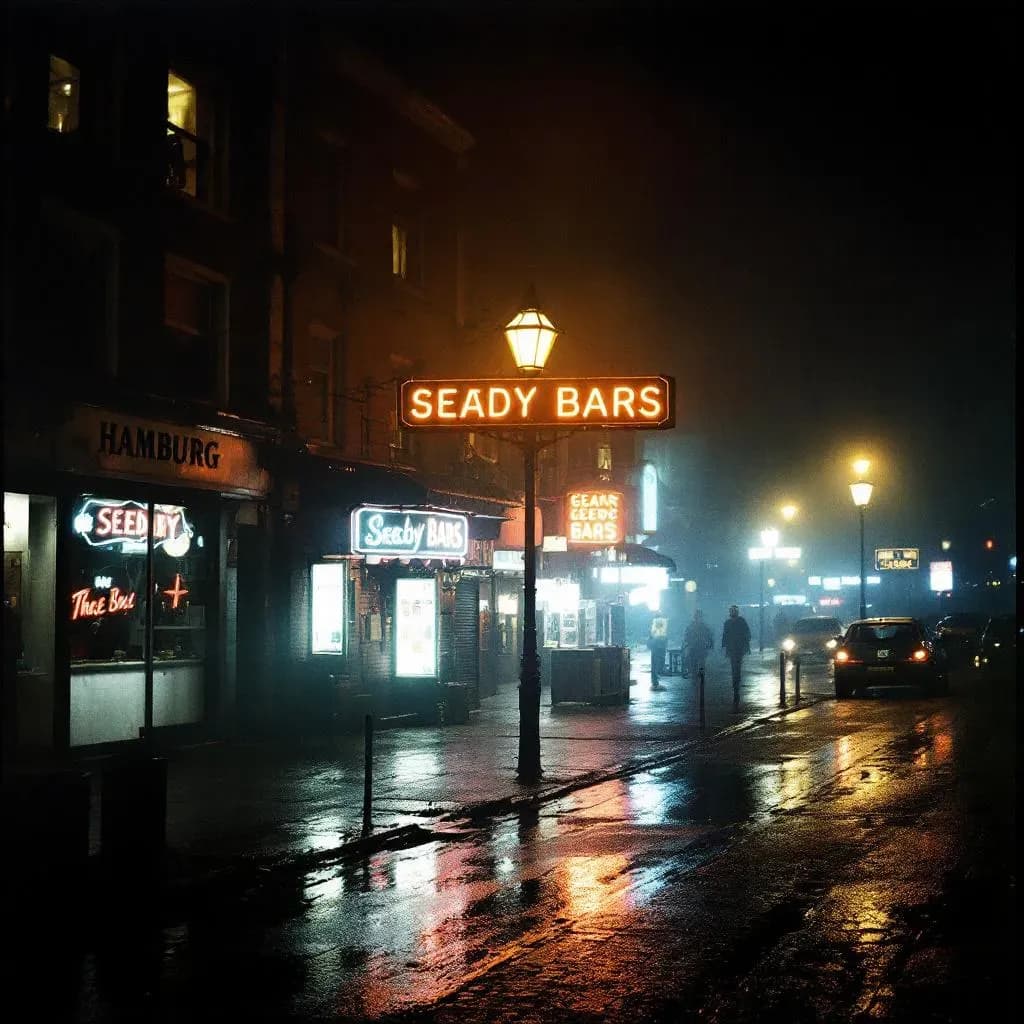
St. Pauli in the early 1970s was a district characterized by poverty, alcoholism, and crime. The Reeperbahn formed the center of the red-light district with countless bars, brothels, and shelters for the homeless. Fritz Honka moved through this environment, earning his living as a worker at the Norddeutsches Lloyd shipyard and spending his evenings in the pubs around Davidstraße.

Location
Kieler Straße 9, Hamburg-St. Pauli
Victims
4 women (Anna Struwe, Frieda Ebeling, Wilma Katschinski, Heidi Fiedler)
Discovery
July 9, 1975 after apartment fire
Sentence
November 21, 1975, life imprisonment

The women Honka targeted as victims were alcoholic street prostitutes struggling to survive in this harsh environment. The district's social structure enabled Honka to remain undetected for years—the women were not missed, their absence went unnoticed. "Der Spiegel" later called him "the cannibal of St. Pauli," although no evidence of cannibalism was ever found.

The Murders and Attempts to Conceal Them

Honka's first documented crime occurred on January 11, 1971. He strangled Anna Struwe with a washing line after an argument about money. With an axe and a saw, he dismembered the body in his cramped, unlit apartment. To mask the smell of decomposition, he poured perfume and disinfectant over the body parts, which he hid in a cupboard.

This pattern repeated itself in the following years. Frieda Ebeling's body parts were also found in a cupboard in 1975. He had killed Wilma Katschinski in 1974 and walled up parts of her body. Heidi Fiedler, the smallest and youngest of his victims, he murdered in January 1975. The body parts lay partially in the apartment for years and mummified due to the dryness under the roof.

The Discovery and Trial

On July 9, 1975, a lit cigarette set Honka's apartment on fire. The responding fire department discovered mummified body parts in the walls and under the roof during firefighting operations. Police Chief Hans-Wilhelm Dau declared on July 10, 1975: "We have found parts of at least three human corpses in the apartment." Police later corrected the number to four victims.

Fritz Honka was arrested the same day and confessed to all four serial murders. The identification of the victims was accomplished without DNA testing through clothing and dental records. From November 3 to 21, 1975, Honka stood trial in Hamburg. The court convicted him of four counts of murder and sentenced him to life imprisonment. His alcohol dependency was not recognized as a mitigating circumstance.

The Film "The Golden Glove"

Director Fatih Akin brought the case to an international audience in 2019 with his film "The Golden Glove" ("Der Goldene Handschuh"). Based on Heinz Strunk's 2016 novel of the same name, the film portrays Honka's life in the St. Pauli milieu. Jonas Dassler plays the serial killer in a disturbing portrayal that created controversy at its premiere on February 7, 2019, in Berlin.

The film partly dramatizes the real events and adds fictional scenes. Due to its explicit depiction of violence, it received an 18+ rating in Germany. "Frankfurter Allgemeine Zeitung" discussed after the premiere the biographical accuracy and ethical questions surrounding the cinematic treatment of such crimes.

Fritz Honka's End

Fritz Honka served his life sentence first in Hamburg, later in Lützerath prison near Hanover. His years of alcohol abuse left irreversible damage. On March 2, 1998, he died at age 62 from liver cirrhosis. The apartment at Kieler Straße 9 no longer exists—the building was demolished.

The Fritz Honka case is considered one of the most notorious serial murder cases in German criminal history and stands as an example of the dark side of the red-light district in the 1970s. The fact that four women could disappear over several years without triggering an investigation raises questions to this day about social marginalization and police attention.
Read more

Fritz Honka
Profile

Fritz Honka

Fritz Honka — Seriemorder i Hamburgs St. Pauli-kvarter
Case

Fritz Honka — Seriemorder i Hamburgs St. Pauli-kvarter

Firebørn dræbt af fremmed mand i schweizisk horrornagt
Post

Swiss Home Invasion: The Rupperswil Murders and Europe's Largest Manhunt

Related Content
Fritz Honka

Fritz Honka

Fritz Honka — Seriemorder i Hamburgs St. Pauli-kvarter

Fritz Honka — Seriemorder i Hamburgs St. Pauli-kvarter

Firebørn dræbt af fremmed mand i schweizisk horrornagt

Swiss Home Invasion: The Rupperswil Murders and Europe's Largest Manhunt

No Image

Utah Mother Convicted of Poisoning Husband with Fentanyl

Advertisement
SS

Susanne Sperling

Share this post:
Sagsmappe

Fritz Honka – Serial Killer from Hamburg's Red-Light District

Four women murdered and hidden in walls of tiny attic apartment

Mappe Åbnet: MAY 7, 2026 AT 07:30 PM
Fritz Honka — Der Frauenmörder von St. Pauli
BEVIS

Sagsdetaljer

Quick Facts

Sted
St. Pauli district, Hamburg, Germany
Perpetrator
Fritz Heinrich Honka (*1935, †1998)
Crime Period
January 11, 1971 to January 10, 1975
Location
Kieler Straße 9, Hamburg-St. Pauli
Victims
4 women (Anna Struwe, Frieda Ebeling, Wilma Katschinski, Heidi Fiedler)
Discovery
July 9, 1975 after apartment fire
Sentence
November 21, 1975, life imprisonment

Quick Facts

LocationSt. Pauli district, Hamburg, Germany
PerpetratorFritz Heinrich Honka (*1935, †1998)
Crime PeriodJanuary 11, 1971 to January 10, 1975
LocationKieler Straße 9, Hamburg-St. Pauli
Victims4 women (Anna Struwe, Frieda Ebeling, Wilma Katschinski, Heidi Fiedler)

Serial Killer in the St. Pauli District

Fritz Heinrich Honka murdered four women in his tiny 150-square-foot attic apartment at Kieler Straße 9 in Hamburg's notorious St. Pauli district. The alcoholic shipyard worker strangled his victims after drinking sessions together, dismembered the bodies, and hid the body parts in cupboards, under the roof, and behind wall panels.

Only when a fire broke out in his apartment on July 9, 1975, did firefighters discover the mummified remains. The four victims were all women from the prostitution scene: Anna Struwe (58 years old), murdered January 11, 1971, Frieda Ebeling (murdered 1972), Wilma Katschinski (murdered 1974), and Heidi Fiedler (approximately 42 years old), who as the youngest died on January 9 or 10, 1975.

Honka had met all the women in bars such as "Zum Paddel" or "Zur Katze," where he was a regular patron.

Hamburg's Underworld in the 1970s

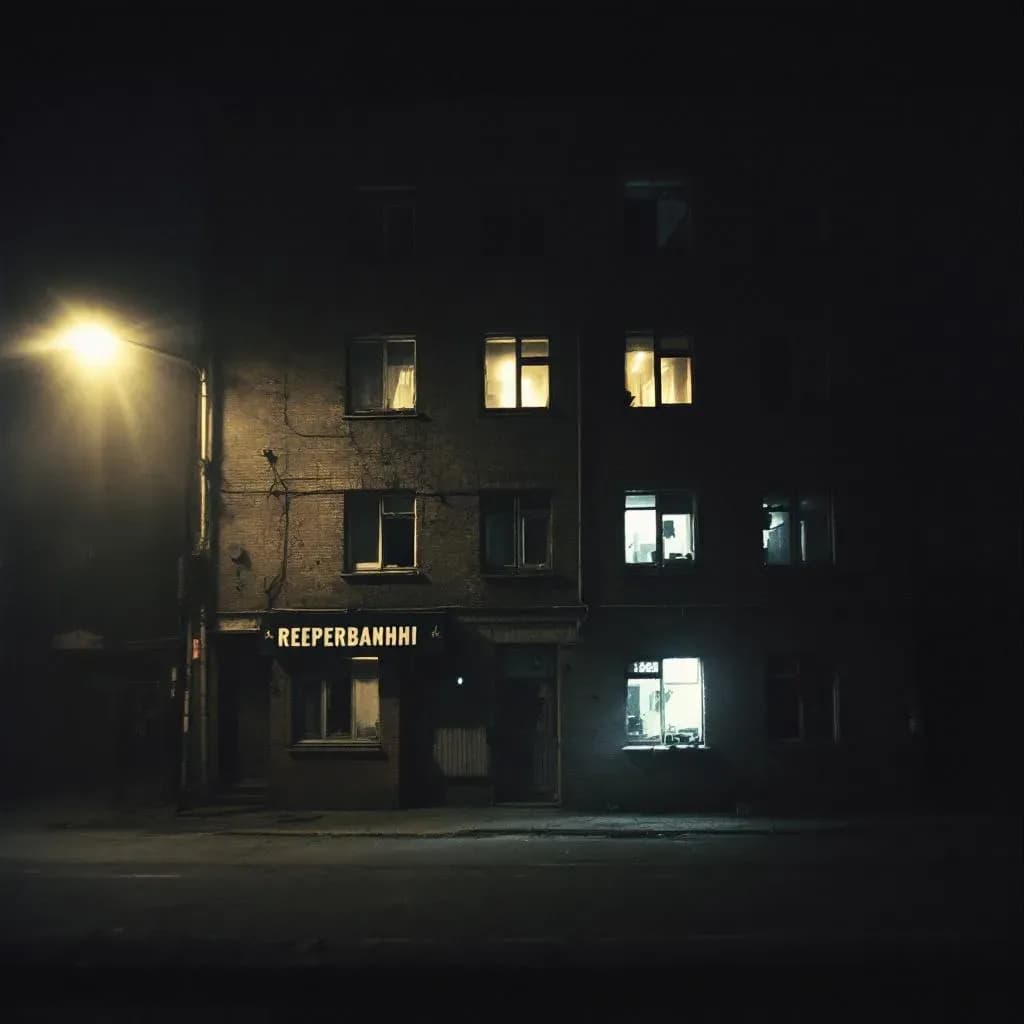
St. Pauli in the early 1970s was a district characterized by poverty, alcoholism, and crime. The Reeperbahn formed the center of the red-light district with countless bars, brothels, and shelters for the homeless. Fritz Honka moved through this environment, earning his living as a worker at the Norddeutsches Lloyd shipyard and spending his evenings in the pubs around Davidstraße.

The women Honka targeted as victims were alcoholic street prostitutes struggling to survive in this harsh environment. The district's social structure enabled Honka to remain undetected for years—the women were not missed, their absence went unnoticed. "Der Spiegel" later called him "the cannibal of St. Pauli," although no evidence of cannibalism was ever found.

The Murders and Attempts to Conceal Them

Honka's first documented crime occurred on January 11, 1971. He strangled Anna Struwe with a washing line after an argument about money. With an axe and a saw, he dismembered the body in his cramped, unlit apartment. To mask the smell of decomposition, he poured perfume and disinfectant over the body parts, which he hid in a cupboard.

This pattern repeated itself in the following years. Frieda Ebeling's body parts were also found in a cupboard in 1975. He had killed Wilma Katschinski in 1974 and walled up parts of her body. Heidi Fiedler, the smallest and youngest of his victims, he murdered in January 1975. The body parts lay partially in the apartment for years and mummified due to the dryness under the roof.

The Discovery and Trial

On July 9, 1975, a lit cigarette set Honka's apartment on fire. The responding fire department discovered mummified body parts in the walls and under the roof during firefighting operations. Police Chief Hans-Wilhelm Dau declared on July 10, 1975: "We have found parts of at least three human corpses in the apartment." Police later corrected the number to four victims.

Fritz Honka was arrested the same day and confessed to all four serial murders. The identification of the victims was accomplished without DNA testing through clothing and dental records. From November 3 to 21, 1975, Honka stood trial in Hamburg. The court convicted him of four counts of murder and sentenced him to life imprisonment. His alcohol dependency was not recognized as a mitigating circumstance.

The Film "The Golden Glove"

Director Fatih Akin brought the case to an international audience in 2019 with his film "The Golden Glove" ("Der Goldene Handschuh"). Based on Heinz Strunk's 2016 novel of the same name, the film portrays Honka's life in the St. Pauli milieu. Jonas Dassler plays the serial killer in a disturbing portrayal that created controversy at its premiere on February 7, 2019, in Berlin.

The film partly dramatizes the real events and adds fictional scenes. Due to its explicit depiction of violence, it received an 18+ rating in Germany. "Frankfurter Allgemeine Zeitung" discussed after the premiere the biographical accuracy and ethical questions surrounding the cinematic treatment of such crimes.

Fritz Honka's End

Fritz Honka served his life sentence first in Hamburg, later in Lützerath prison near Hanover. His years of alcohol abuse left irreversible damage. On March 2, 1998, he died at age 62 from liver cirrhosis. The apartment at Kieler Straße 9 no longer exists—the building was demolished.

The Fritz Honka case is considered one of the most notorious serial murder cases in German criminal history and stands as an example of the dark side of the red-light district in the 1970s. The fact that four women could disappear over several years without triggering an investigation raises questions to this day about social marginalization and police attention.
Read more

Fritz Honka
Profile

Fritz Honka

Fritz Honka — Seriemorder i Hamburgs St. Pauli-kvarter
Case

Fritz Honka — Seriemorder i Hamburgs St. Pauli-kvarter

Firebørn dræbt af fremmed mand i schweizisk horrornagt
Post

Swiss Home Invasion: The Rupperswil Murders and Europe's Largest Manhunt

Related Content
Fritz Honka

Fritz Honka

Fritz Honka — Seriemorder i Hamburgs St. Pauli-kvarter

Fritz Honka — Seriemorder i Hamburgs St. Pauli-kvarter

Firebørn dræbt af fremmed mand i schweizisk horrornagt

Swiss Home Invasion: The Rupperswil Murders and Europe's Largest Manhunt

No Image

Utah Mother Convicted of Poisoning Husband with Fentanyl

Advertisement
SS

Susanne Sperling

Share this post: