About This Episode
Joseph Roy Metheny operated as a serial killer in the Baltimore, Maryland area during the 1990s, leaving behind a documented trail of violence and a far larger web of unverified confessions. Convicted of two murders, one kidnapping, and related sexual assault charges, Metheny claimed responsibility for approximately ten killings—though only two resulted in courtroom convictions.
Metheny's victims typically fell into a narrow demographic: young white women, many of them sex workers struggling with cocaine and heroin addictions. But his alleged targets extended beyond this pattern. He reportedly killed two homeless men with an axe when they could not provide information about his girlfriend, and he claimed to have murdered a fisherman with a steel pipe, fearing the man had witnessed him disposing of bodies.
His methods were brutal and varied. Metheny stabbed victims repeatedly—one victim sustained 26 stab wounds—strangled others with extension cords, and bludgeoned some with axes and pipes. Sexual violence preceded or followed most of the murders, with investigators documenting rape and sexual assault as core components of his criminal behavior.
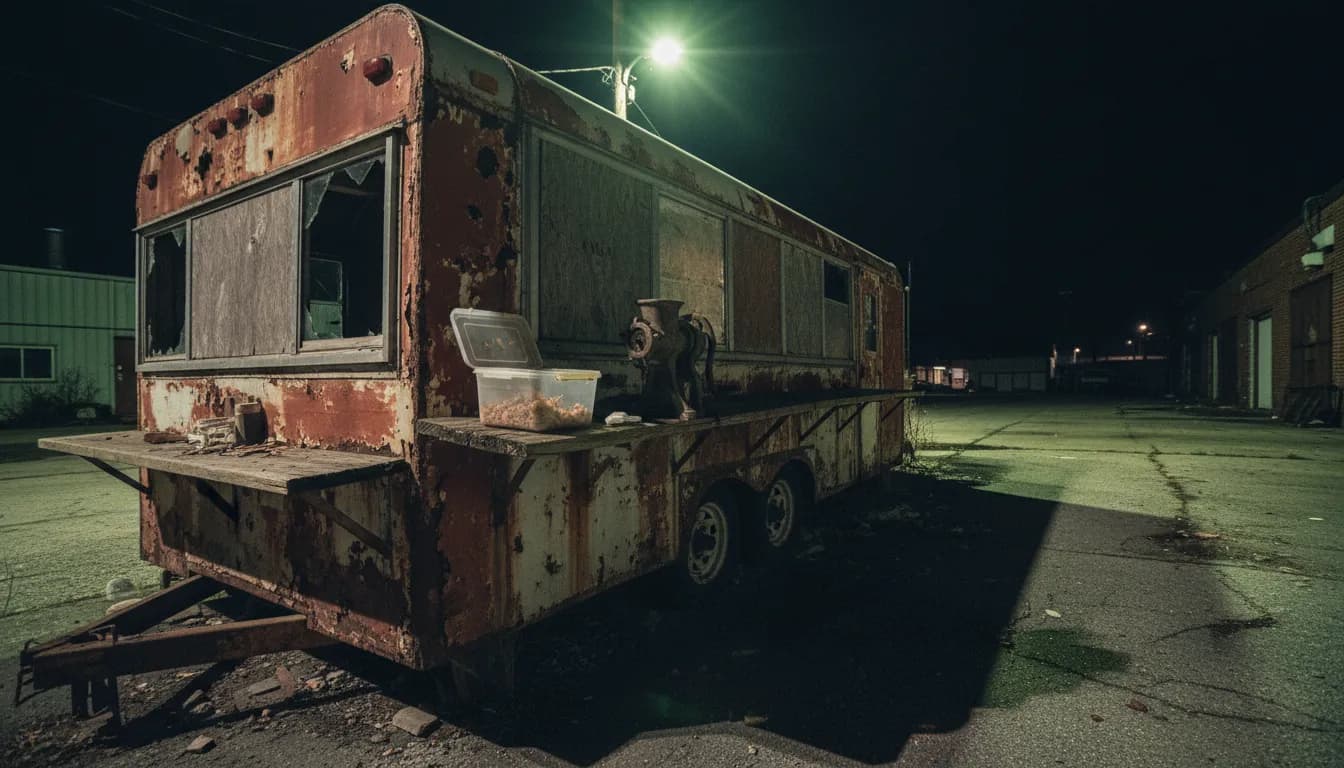
The most sensational allegation surrounding Metheny involves what he called his "human burgers." According to his detailed confessions, after dismembering several victims, Metheny blended human flesh with beef and pork, then cooked the mixture into burgers. He claimed he sold these to unsuspecting customers at a roadside barbecue stand he operated on weekends in the Baltimore area. This assertion has become central to Metheny's notoriety in true crime reporting and documentary coverage, though law enforcement has never independently verified the sales beyond his own statements and circumstantial indicators.
The disconnect between proven crimes and confessed ones reflects a common challenge in serial-killer investigations. In 1992, a jury tried Metheny for two additional murders—the homeless men killed with an axe—but found insufficient evidence to convict. Years later, from his prison cell, Metheny confessed to these killings and others. The bodies, however, remained unrecovered, leaving investigators unable to corroborate his claims through forensic evidence.
Metheny's confessions paint a picture of systematic predation across Baltimore's most vulnerable populations. He targeted women trapped in cycles of addiction and survival, individuals living on the streets with minimal connections to social safety nets, and people whose disappearances might go unnoticed. This predatory pattern reflects how serial killers often exploit marginalized groups whose absence draws less immediate scrutiny from law enforcement and the public.
The legal outcome reflected the evidentiary constraints prosecutors faced. Two murder convictions and one kidnapping conviction resulted in multiple life sentences. Metheny spent his final years at Western Correctional Institution in Cumberland, Maryland, where he died in 2017—never facing trial for most of the murders he confessed to, and never allowing families of suspected victims closure through either conviction or credible evidence of their loved ones' fates.
Metheny's case underscores a troubling reality in serial-killer investigations: high conviction counts do not necessarily translate to a complete accounting of victims. The confessions he provided from prison offer potential answers to families seeking information about missing persons from the 1990s, yet without recoverable evidence, those answers remain officially unproven—and the true number of his victims remains unknown.
Sources: https://the-line-up.com/joe-metheny-cannibal-cook https://podcasts.apple.com/nl/podcast/the-human-hamburger-the-twisted-tale-of-joe-metheny/id1801726830?i=1000698979223&l=en-GB https://www.youtube.com/watch?v=EXB-C1uoPq8