About This Episode
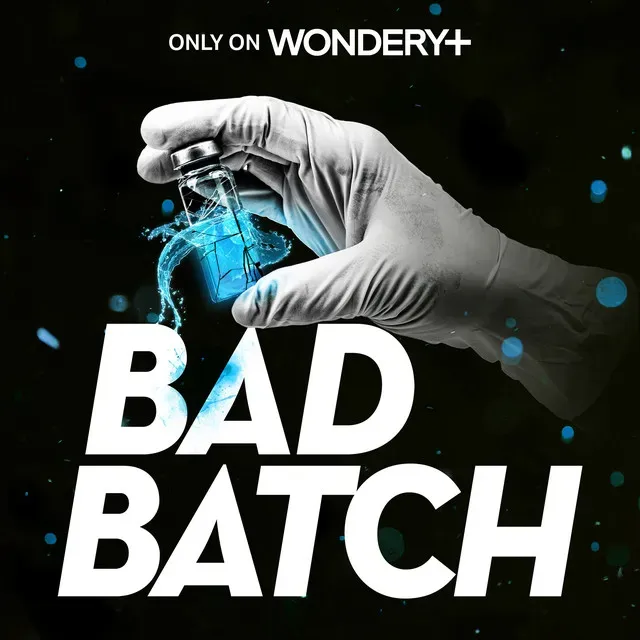
In 2019, investigative journalist Laura Beil released a six-part podcast series that would expose one of the murkier corners of modern medicine: the largely unregulated world of commercial stem cell clinics. 'Bad Batch,' produced by Wondery—the company behind hits like 'Dirty John' and 'The Shrink Next Door'—tells the story of how patients in South Texas became victims of a company claiming to offer cutting-edge regenerative medicine.
At the center of Beil's investigation is Liveyon, a stem cell company founded by John Kosolcharoen, and a contaminated batch of umbilical cord-derived cell products that caused real harm to vulnerable patients seeking treatment. What makes the story particularly damning is what scientists later discovered: the products marketed and sold as active stem cells contained no living stem cells whatsoever.
A Multibillion-Dollar Gray Zone
The stem cell industry operates in a regulatory gray zone that exists across multiple countries, not just the United States. While the FDA maintains strict approval processes for legitimate stem cell therapies, clinics marketing unproven treatments have proliferated globally, particularly in nations with looser oversight. Companies target patients desperate for solutions to conditions like arthritis, spinal injuries, and degenerative diseases—ailments where conventional medicine offers limited options.
Beil's podcast reveals how this desperation becomes currency. Patients were promised regenerative treatments based on cutting-edge science. Instead, they received expensive injections of products with no biological activity—essentially paying thousands of dollars for nothing, or worse, for contaminated material that caused complications.
The Liveyon Case
Liveyon's operations in South Texas represent a textbook example of how commercial incentives can override patient safety in an industry lacking proper regulation. The company distributed products derived from umbilical cord tissue—theoretically a promising source for regenerative medicine—but without FDA approval and without ensuring the products were actually what they claimed to be.
Beil's investigation demonstrates that the contaminated batch was not an isolated accident but symptomatic of a broader problem: an industry built on hope, marketing, and profit margins rather than rigorous science and safety protocols.
International Implications
While 'Bad Batch' focuses on a Texas-based company, the stem cell clinic phenomenon is not confined to the United States. Clinics offering unproven stem cell treatments operate across Europe, Latin America, and Asia. Patients travel internationally seeking treatments unavailable or explicitly banned in their home countries—a practice known as "stem cell tourism."
The case illustrates why international regulatory bodies have raised alarms about unproven stem cell treatments. Unlike traditional pharmaceuticals, which undergo years of clinical trials before approval, many stem cell products are marketed directly to patients under regulatory loopholes or in jurisdictions with minimal oversight.
Laura Beil's Track Record
Beil brings significant credibility to the investigation. She previously hosted 'Dr. Death,' another Wondery podcast that examined ethical breakdowns within the medical profession. Her work on 'Bad Batch' combines narrative journalism with rigorous reporting, interviewing patients, scientists, and regulatory experts to build a comprehensive picture of an industry operating largely beyond public scrutiny.
Why It Matters Now
The 'Bad Batch' podcast remains relevant years after its 2019 release because the underlying problems persist. Unregulated stem cell clinics continue operating. Patients continue seeking cures through these channels. And regulatory agencies worldwide struggle to address the gap between genuine regenerative medicine research and commercial exploitation.
For international audiences, the podcast serves as a cautionary tale about the dangers of medical deregulation and the ways vulnerable populations can be targeted by well-branded fraud. It's a reminder that scientific innovation, when divorced from safety oversight and ethical guardrails, can cause real harm.
'Bad Batch' is available on Apple Podcasts, Spotify, Amazon Music, and through Wondery+.