Who Killed Jill Dando?
Netflix, 2023 — The unsolved 1999 murder of BBC presenter Jill Dando and the wrongful conviction of Barry George
Quick facts
What Is the Series About?
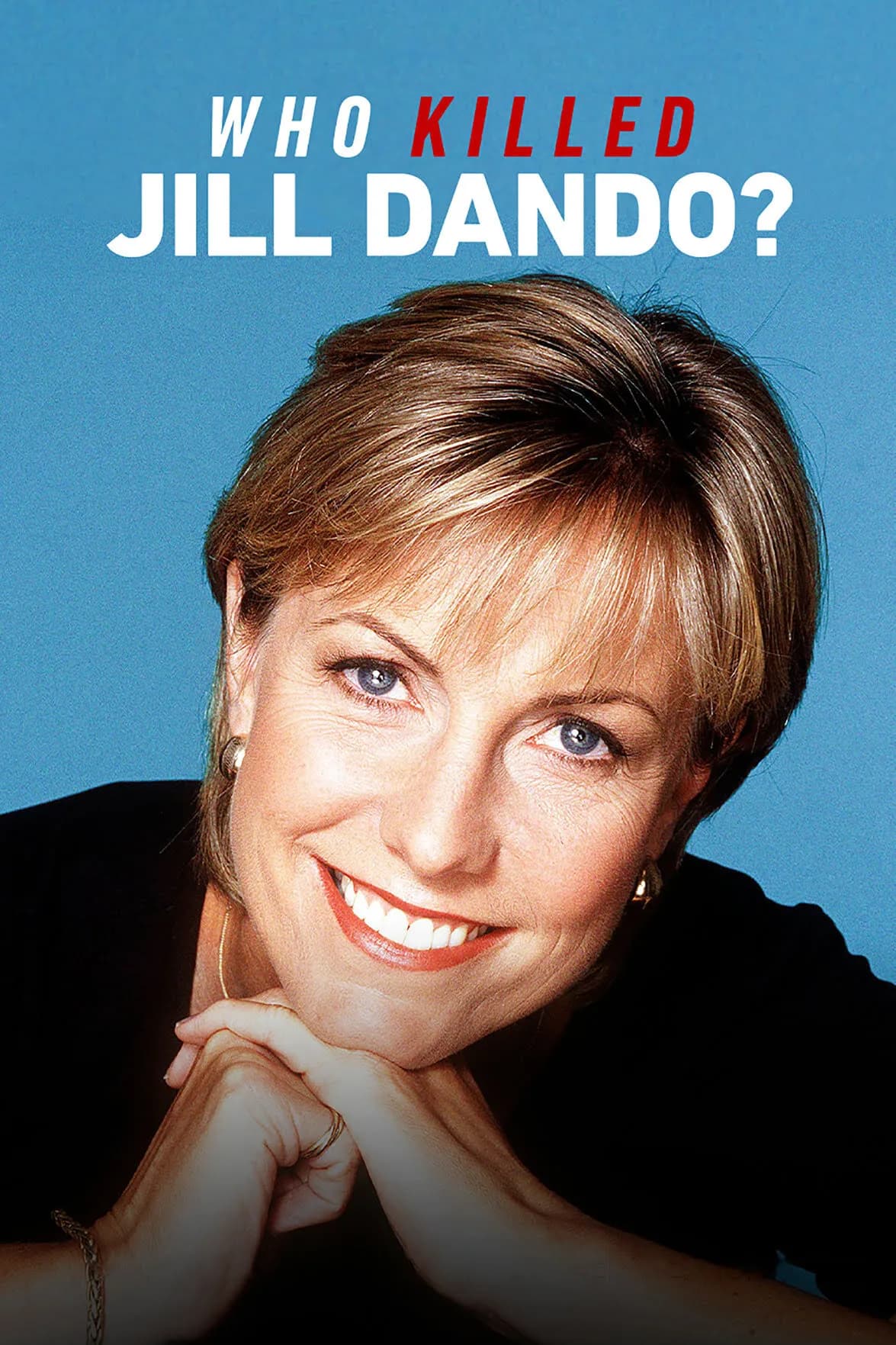
Who Killed Jill Dando? is a Netflix documentary series that examines one of the most shocking and enduring unsolved murders in British criminal history: the killing of beloved BBC presenter Jill Dando on 26 April 1999. Released on 26 September 2023 and spanning three episodes, the series is directed by Nicky Bentham and Daniel Dewsbury and revisits not only the brutal facts of the crime itself, but also the sprawling police investigation, the controversial prosecution and conviction of Barry George, his eventual acquittal, and the deeply troubling reality that — more than two decades later — nobody has been held accountable for Dando's death.
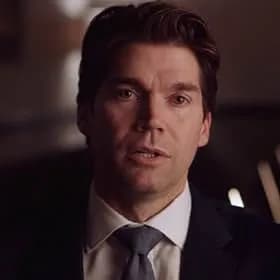
The documentary draws on interviews with police, journalists, lawyers, friends, and family members who lived through the case. Crucially, it also features a rare on-camera interview with Barry George himself, the man who spent nearly eight years in prison for a crime a jury ultimately decided he did not commit.
The Case
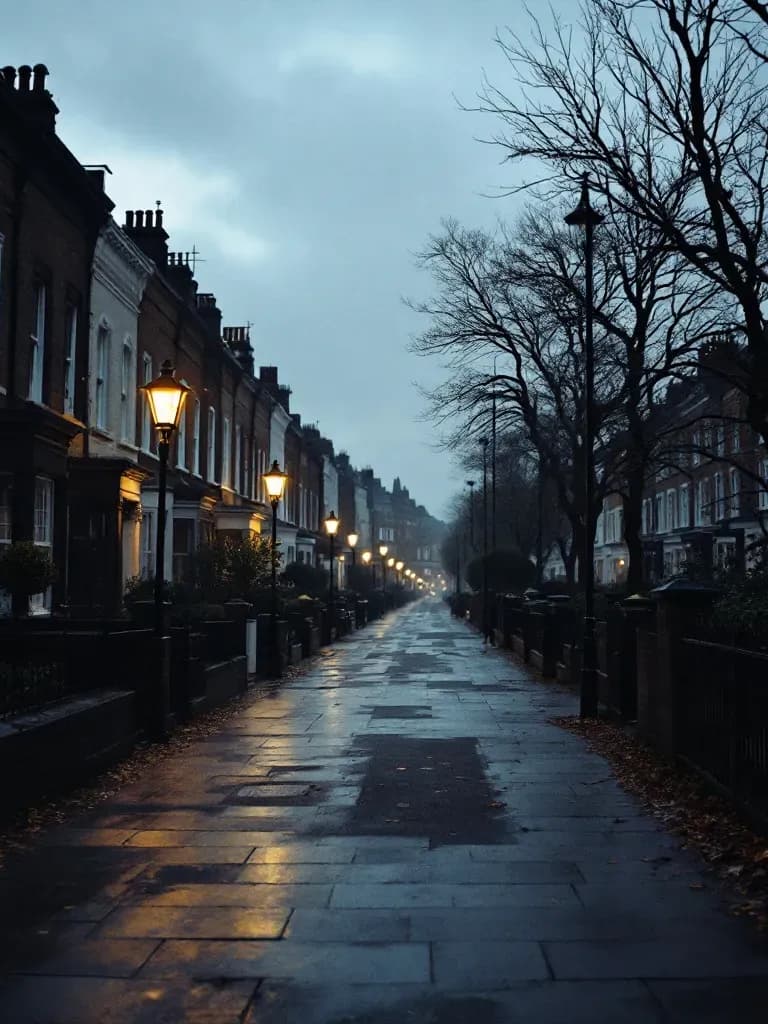
On the morning of 26 April 1999, Jill Dando — then 37 years old and one of the most recognisable faces on British television, known for co-presenting Crimewatch and Holiday on the BBC — returned to her home on Gowan Avenue in Fulham, southwest London. She was shot once in the head on her own doorstep with a single bullet. She died shortly afterwards at a nearby hospital.
The murder sent shockwaves through the UK. Dando was not merely a celebrity; she was a figure of warmth and public trust, and the apparent professionalism of the killing — a single shot, no witnesses who could identify the gunman, no obvious motive immediately apparent — made the case deeply baffling. According to ITV News, police interviewed more than 2,500 people and took more than 1,000 statements, making it one of the largest murder investigations ever conducted in the United Kingdom.
The investigation eventually focused on Barry Michael George, an English man with a history of obsessive behaviour who lived near the crime scene. He was arrested, tried, and in 2001 convicted of Dando's murder. The prosecution's case relied substantially on a single microscopic particle of firearms discharge residue found in the pocket of a coat belonging to George — evidence that would later prove to be the undoing of the entire conviction.
In 2007, the Court of Appeal ruled George's conviction unsafe, finding that the forensic evidence central to the prosecution's case was unreliable and should not have been presented to the jury in the way it was. George was released after spending approximately eight years in prison. At a retrial in 2008, he was found not guilty. As the Evening Standard reports, he has never been convicted of any offence in connection with Dando's death, and to this day no alternative suspect has been charged.
Production
The three-episode series was directed by Nicky Bentham and Daniel Dewsbury, both experienced documentary filmmakers. The production takes a methodical, journalism-driven approach, interviewing a broad range of participants and observers: detectives involved in the original investigation, legal figures from the prosecution and defence, journalists who covered the case at the time, and people who knew Dando personally.
The decision to secure an interview with Barry George himself gives the series a dimension that purely archival accounts cannot offer. George speaks directly about his arrest, his years in prison, and his life after acquittal — providing a human counterpoint to the procedural account of how the case was built and ultimately collapsed.
The filmmakers do not shy away from examining how media coverage, public pressure, and the high-profile nature of the victim may have influenced the course of the investigation and prosecution.
Reception
Critical reception has been largely respectful, with reviewers noting that the series functions as serious journalism rather than exploitative true crime entertainment. A review in iNews describes it as a true crime documentary that earns its place in the genre by prioritising rigour over sensation — while also being candid that the series does not solve the case, and was never likely to.
The Independent highlights one of the documentary's most pointed arguments: that following George's acquittal, police have not actively pursued the investigation, effectively leaving the case in a state of permanent limbo. This aspect of the series has generated significant discussion among viewers and commentators, many of whom find it deeply unsatisfying — and others who regard it as an honest reflection of a system that struggled to handle an extraordinary crime.
The inclusion of Barry George's interview has been widely discussed, with viewers divided on whether it elicits sympathy, raises further questions, or simply underscores how little is definitively known about what happened on Gowan Avenue in 1999. An IMDb numeric rating could not be independently verified from available sources at the time of publication.
The Case Today
The murder of Jill Dando remains officially unsolved. Barry George is a free man, having been found not guilty at retrial in 2008. No other individual has ever been charged in connection with the killing. Over the years, various theories have circulated — ranging from a stalker acting alone, to contract killing, to speculation about Dando's work on Crimewatch — but none has resulted in a prosecution.
The Netflix documentary does not change that legal reality. What it does is bring renewed public attention to a case that many in Britain feel deserves far more active pursuit than it currently receives. For a crime that once consumed thousands of police hours and dominated national headlines, the silence surrounding it today is, as the series makes clear, both striking and deeply uncomfortable.
For anyone unfamiliar with the case, or for those who followed it at the time and want a thorough, sober account of everything that went wrong, Who Killed Jill Dando? is essential viewing — even if, like the investigation itself, it ends without a definitive answer.