Welcome to Leith
Apple TV, 2015 — white-supremacist takeover attempt of a tiny North Dakota town
Quick facts
What Is Welcome to Leith?
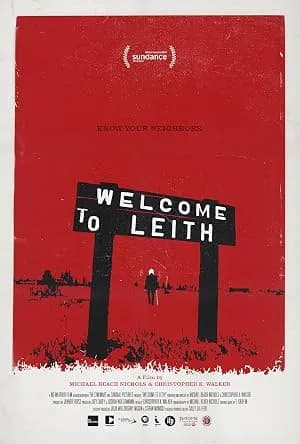
Welcome to Leith is a 2015 feature documentary film directed by Michael Beach Nichols and Christopher K. Walker that chronicles one of the most unsettling exercises in domestic extremism in recent American history: a calculated, systematic attempt by notorious white supremacist Craig Cobb to seize political and social control of Leith, a tiny, near-abandoned town in North Dakota. The film runs approximately 1 hour and 26 minutes and is available to watch on platforms including Apple TV Store, Blockbuster, SF Anytime, and Filmstriben.
Rather than documenting a single homicide or financial fraud, Welcome to Leith captures something arguably more chilling — a slow-motion hostile takeover of local democracy itself, using property law, intimidation, and the open recruitment of like-minded extremists as weapons.
---
The Case
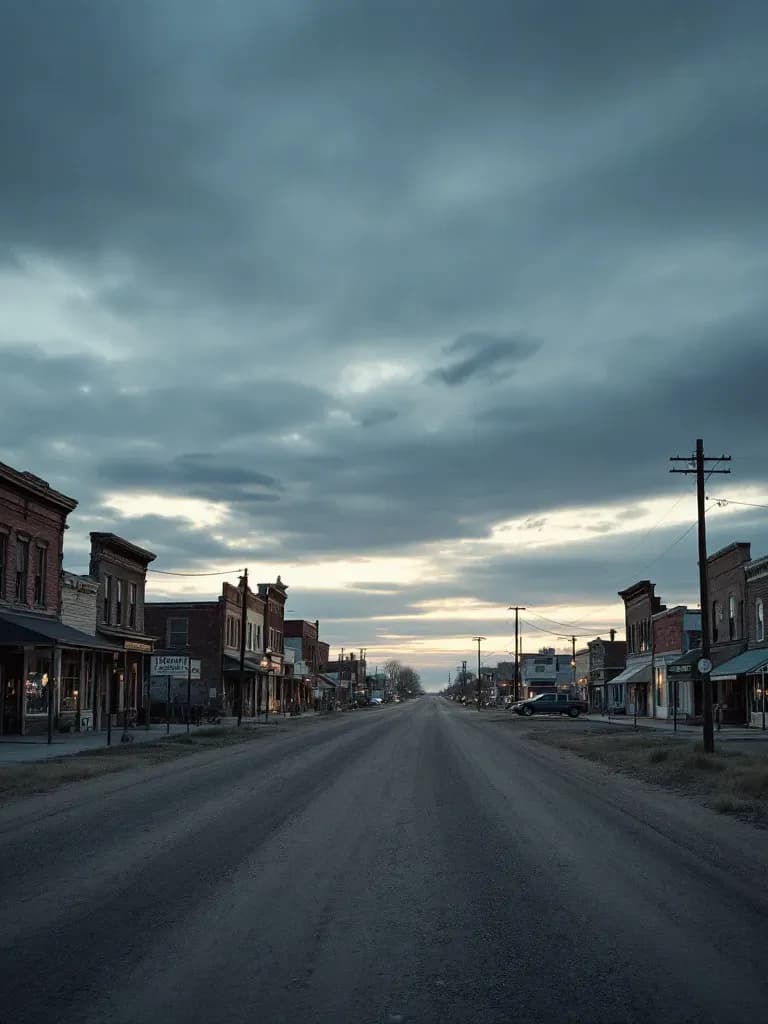
Leith, North Dakota, is one of the smallest municipalities in the United States, with a population that hovered around a dozen residents at the time of the events depicted. It was this very smallness that made it an attractive target.
Craig Cobb, who has described himself as the "most famous racist in the world," moved to Leith in 2010 and began purchasing parcels of land. His strategy was straightforward and legally audacious: buy enough property to give himself and recruited white supremacist settlers a controlling vote in local government, then remake the town as an all-white enclave aligned with neo-Nazi ideology. Cobb began inviting fellow white supremacists and far-right extremists to move into the properties he had acquired, erecting flags and signage that made his intentions unmistakable.
By late 2013, the situation had escalated dramatically. Leith's small community of residents — many of them elderly, some with deep roots in the area — found themselves living next to an expanding group of armed ideologues. The tension came to a head when Cobb and an associate conducted an armed patrol through the streets of the town in what prosecutors described as an act of deliberate terrorizing. Cobb was arrested on charges of terrorizing conduct and held in jail. He was released approximately six months later.
As documented by VICE, the scheme attracted national and international media coverage, turning the tiny town into a symbol of the threat posed by organized white-nationalist movements operating within the legal framework of property rights and local governance. The film captures both the community's attempts to resist and the deeply unsettling reality that much of what Cobb did was, at least initially, entirely legal.
Full trial transcripts and detailed sentencing records are not confirmed in the available sources for this report.
---
Production
Directors Michael Beach Nichols and Christopher K. Walker filmed Welcome to Leith across the period of peak tension in late 2013 and early 2014, capturing events as they unfolded in real time. The filmmakers gained access to the community of Leith, to Cobb himself, and to the broader cast of extremists and ordinary residents caught up in the confrontation. This on-the-ground access gives the documentary a visceral, unmediated quality — viewers are placed inside a community under siege, watching its residents navigate a threat for which small-town American life offered no established playbook.
The film was presented under the PBS Independent Lens banner, which gave it a platform aligned with public-interest documentary journalism. Its limited theatrical release came on September 9, 2015, with a wider US release following on December 15, 2015, according to IMDb records for title tt3962848.
The documentary avoids editorializing heavily, instead allowing Cobb's own words and actions — and the residents' visible fear and defiance — to carry the moral weight of the story.
---
Reception
Welcome to Leith received a strongly positive critical reception. According to Wikipedia's summary of aggregated reviews, the film holds a 98% approval rating on Rotten Tomatoes from 43 reviews and a Metacritic score of 78 out of 100 from 16 critics — a rare level of critical consensus for a documentary on such a politically charged subject.
Its IMDb rating stands at 6.9/10, reflecting a slightly more mixed audience response, though user reviews consistently describe the film as "terrifying," "excellent," and deeply relevant to contemporary debates about extremism and the fragility of local democratic institutions.
The New York Times reviewed it as a story about a town fighting back against a racist takeover, while PBS and Independent Lens framed it as a landmark documentary about the real-world mechanics of white-supremacist organizing. Online communities discussing the film, including documentary forums on Reddit, have repeatedly cited it as one of the most politically disturbing true-crime-adjacent documentaries of the decade, praising its restraint and its willingness to let the horror of the situation speak for itself.
The primary controversy surrounding the film is inherent to its subject: it documents, in detail, the ideological worldview and operational strategy of an active white supremacist. Some critics have debated how much oxygen such coverage gives to extremist movements, while others argue that documentaries of this kind are essential to public understanding of domestic terrorism.
---
The Case Today
Following his release from jail, Craig Cobb's Leith project largely collapsed. Without sufficient numbers of settlers and facing sustained community resistance, legal challenges, and intense media scrutiny, the attempt to convert the town into a white-nationalist enclave failed. Leith itself survived, though the episode left a lasting mark on the community and became a widely cited case study in how white-supremacist movements attempt to exploit rural America's legal and demographic vulnerabilities.
The broader themes of the documentary — the radicalization of isolated communities, the use of property law as a tool of intimidation, and the limits of local government when confronted with organized extremism — have only grown more relevant in the years since the film's release, ensuring that Welcome to Leith remains a key reference point in discussions of domestic extremism and far-right movements in the United States.