Untold: Crimes & Penalties
Netflix, 2021 — The FBI takedown of mob-linked garbage magnate Jimmy Galante and the Danbury Trashers hockey scandal
Quick facts
What Is the Series About?
*Untold: Crimes & Penalties* is a Netflix documentary that tells the story of the Danbury Trashers — a minor-league hockey team in Connecticut that became the centerpiece of a federal organized-crime investigation. The film, which premiered on August 31, 2021, is the first installment of Netflix's five-part Untold docuseries, directed by brothers Chapman Way and Maclain Way. At its core, it is about James "Jimmy" Galante, a waste-disposal magnate from Connecticut with reported mob ties, who gave his teenage son control of a hockey team while running what federal prosecutors described as a criminal enterprise beneath the surface of his legitimate garbage-hauling business.
The documentary sounds, as more than one reviewer has noted, like something written for television. A trash-hauling boss. A 17-year-old kid running a professional hockey team. FBI wiretaps. Organized crime. Real locker-room brawls. Every element is real, and the film leans into that tension between the absurdity of the spectacle and the seriousness of the federal charges that ultimately dismantled it.
---
The Case
Jimmy Galante built a significant waste-disposal business in Connecticut, but federal investigators alleged that the company was connected to organized crime and that Galante used it as a vehicle for racketeering, wire fraud, extortion, and labor-related corruption. The FBI's investigation into Galante's operations uncovered what prosecutors characterized as a pattern of criminal conduct woven through his business dealings.
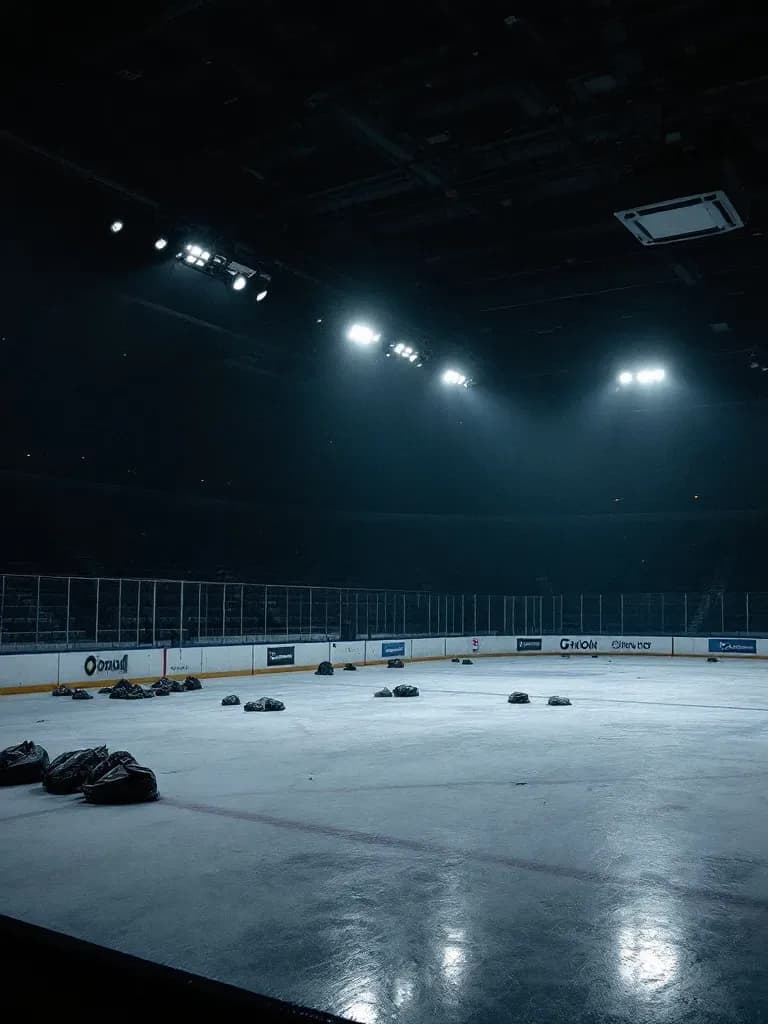
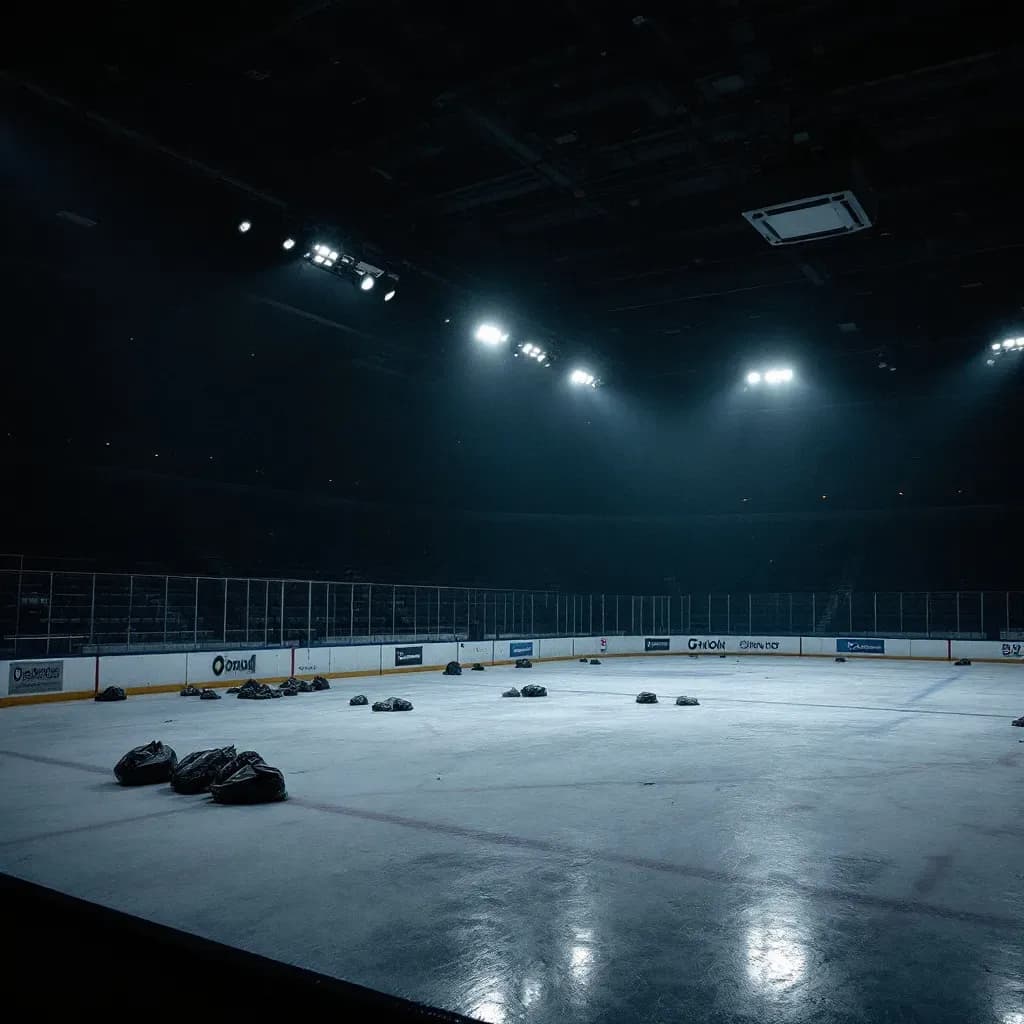
In what became one of the more unusual subplots of any federal organized-crime case in recent memory, Galante also owned the Danbury Trashers, a team in the United Hockey League. He placed his son, A.J. Galante — who was just 17 years old at the time — in charge of the franchise as its president and general manager. The team became notorious for its aggressive style of play and its chaotic front-office culture, which the documentary captures through archival footage and first-hand interviews.
According to reporting tied to the documentary, the FBI's takedown of Jimmy Galante brought an end to both the criminal enterprise and the hockey team. The Trashers operated from approximately 2004 to 2006 before folding as the federal case closed in around them.
Jimmy Galante ultimately pleaded guilty to federal charges and was sentenced to 87 months in federal prison — just over seven years. His son A.J. was not the principal criminal defendant; the documentary portrays him largely as a young man thrust into an extraordinary and legally fraught situation by his father.
This is a white-collar and organized-crime case rather than a homicide investigation. There is no single named victim at its center. The crimes were financial and structural — corruption of labor, fraudulent business dealings, and the racketeering apparatus that surrounded Galante's waste empire.
---
Production
The film was directed by Chapman Way and Maclain Way, who are among the more accomplished documentary filmmakers working in the true-crime sports genre. The production secured access to a remarkable range of participants, including members of the Galante family, former Trashers players, and retired FBI agent Ed Adams, who is described in coverage of the documentary as having served on Galante's defense team — a detail that adds a layer of complexity to the film's perspective on the investigation.
The documentary makes extensive use of archival footage from the Trashers' playing days, giving audiences a visceral sense of how wild the team's on-ice culture was. Combined with sit-down interviews, the film builds a portrait of a world where the lines between legitimate sports entertainment and criminal enterprise were deliberately blurred.
As Looper's accuracy review notes, the documentary draws on first-hand accounts to reconstruct the Trashers story and the FBI's takedown, and the filmmakers appear to have worked to present multiple perspectives on the Galante family's involvement.
Untold: Crimes & Penalties carries the IMDb title ID tt15101956 and is available to stream on Netflix.
---
Reception
Critical and audience reaction to the documentary was strongly positive, with reviewers repeatedly reaching for words like wild, brawling, and bruising to describe both the film and its subject matter. The consensus was that the Danbury Trashers story was so inherently improbable that the documentary's greatest challenge was simply helping viewers accept that none of it was invented.
Decider's review was among the outlets that praised the film for its pacing and its ability to hold together the sports story and the criminal investigation simultaneously — no small feat given how much ground the documentary covers.
The most prominent controversy surrounding the subject matter — rather than the film itself — is the combination of organized-crime allegations, labor corruption, and the spectacle of a minor-league hockey team apparently operating in the shadow of a federal investigation for years. Viewers and commentators noted that the Galante case illustrated how legitimate-seeming business ventures and sports franchises can be used as instruments of, or cover for, criminal enterprise.
The Untold docuseries format — standalone episodes focused on a single sports-adjacent story — was itself praised as an effective vehicle for material like the Trashers case, where the sports context gives viewers an entry point into what is ultimately a complex federal racketeering prosecution.
---
The Case Today
Jimmy Galante served his 87-month federal sentence following his guilty plea. Public reporting around the documentary's 2021 premiere confirmed the conviction and sentence details, though post-release updates on Galante's current status are not extensively documented in available sources.
A.J. Galante has spoken publicly about his experience running the Trashers as a teenager and participated in the documentary, offering his perspective on the period. His involvement in the film suggests a degree of willingness to revisit — and reckon with — one of the more extraordinary chapters in minor-league sports history.
The Danbury Trashers remain a singular story in American hockey: a team that existed for roughly two seasons, became notorious league-wide for its style of play, and then disappeared as its owner was led away in a federal investigation. The Netflix documentary ensures that story, and the criminal case behind it, will not be forgotten.