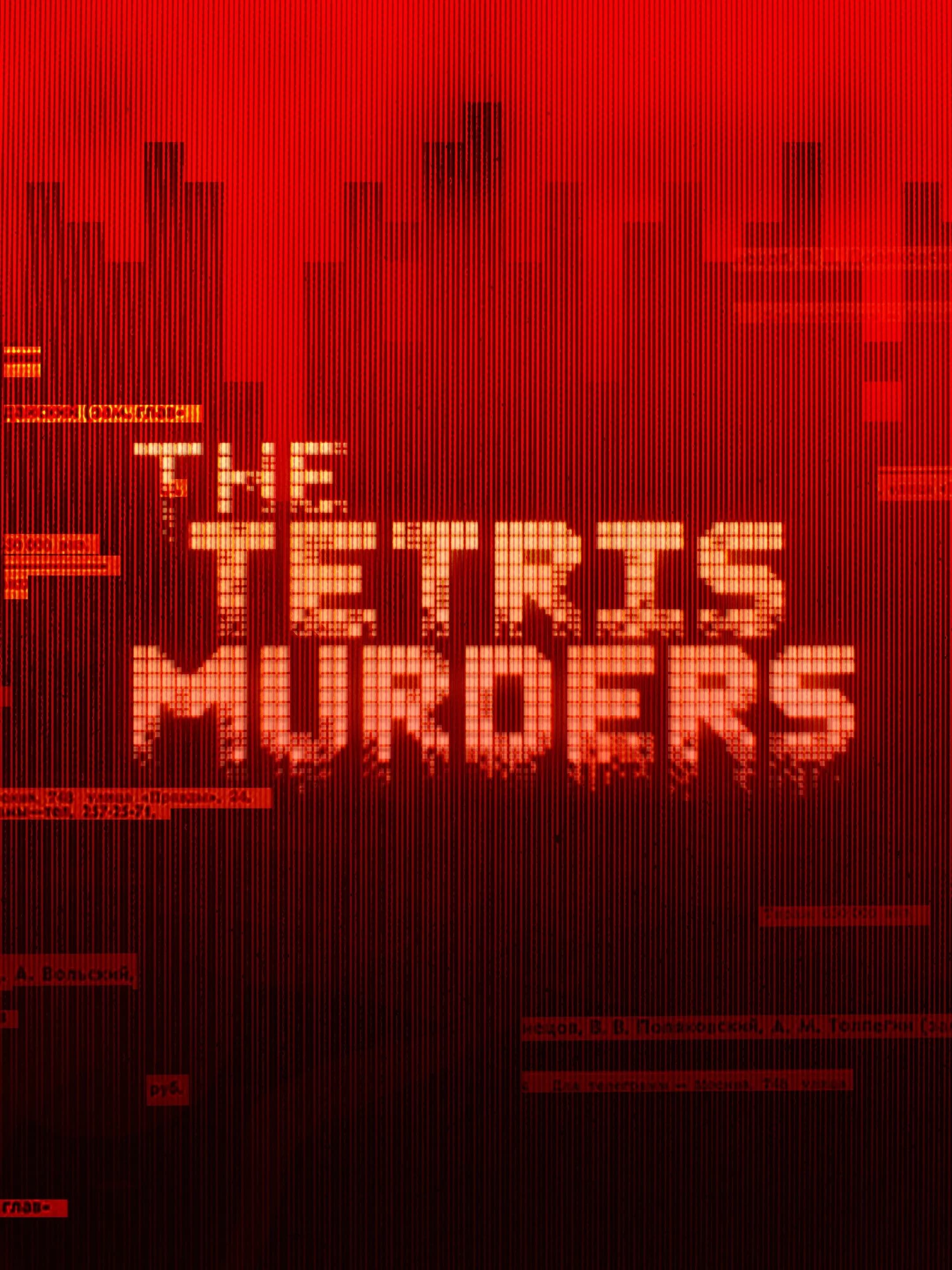
The Tetris Murders
HBO Max, 2022 — the 1998 deaths of Tetris co-developer Vladimir Pokhilko and his family
Quick facts
What Is the Series About?
The Tetris Murders is a three-episode HBO Max documentary series directed by Dan Bush and released on December 5, 2022. The series covers the 1998 deaths of Vladimir Ivanovich Pokhilko, his wife Elena Fedotova Pokhilko, and their 12-year-old son Peter at their home in Palo Alto, California. Vladimir Pokhilko was a co-developer of the legendary video game Tetris — one of the most commercially successful games in history — and had been living in Silicon Valley with his family at the time of the killings. The docuseries reopens a case that was officially closed as a murder-suicide and argues that there may be far more to the story than investigators originally concluded.
The Case
On September 22, 1998, all three members of the Pokhilko family were found dead inside their Palo Alto home. Vladimir Ivanovich Pokhilko was 44 years old; his wife Elena Fedotova Pokhilko was 38; and their son Peter was just 12 years old. The Palo Alto Police Department investigated and initially ruled the deaths a murder-suicide, with the prevailing theory pointing to Vladimir as the person responsible for the deaths of his wife and son before taking his own life.
No perpetrator was ever charged, tried, or convicted in connection with the deaths. The case was formally closed under the murder-suicide classification, and it remained largely out of public consciousness for more than two decades — until this docuseries brought renewed scrutiny to the original investigation.
The series features Sandra Brown, a CSI investigator with the Palo Alto Police Department, who revisits the physical evidence and highlights discrepancies at the crime scene that, according to the documentary's framing, cast doubt on the original conclusions. Among the most provocative claims made in the series is the suggestion of "dark connections to Russia" — a conspiracy theory that postulates the killings may have had ties to organized crime or foreign interests linked to Pokhilko's background and his involvement in the early commercialization of Tetris. However, as noted in coverage of the series, no completed prosecution or verified evidence of such a conspiracy has been presented in the available public record.
Vladimir Pokhilko was a Soviet-born psychologist and researcher who became one of the key figures behind Tetris's development alongside Alexey Pajitnov. His path from academic computer science in Moscow to Silicon Valley in the 1990s — during a turbulent post-Soviet period — forms a significant part of the biographical backdrop that the docuseries uses to contextualize his life and death.
Production
The series was directed by Dan Bush and produced for HBO Max, where it premiered as a three-episode limited docuseries on December 5, 2022. Dan Bush is known for working across narrative and documentary formats, and The Tetris Murders represents an entry into the true crime documentary genre that has defined much of streaming television's non-fiction output over the past decade.
The production benefits from law enforcement access, most notably through the participation of CSI investigator Sandra Brown of the Palo Alto Police Department, who provides on-camera commentary about the original scene investigation and her subsequent questions about the evidence. This type of candid law-enforcement participation is relatively rare in docuseries covering cold or disputed cases and was highlighted by reviewers as one of the series' genuine strengths.
The documentary draws on the intersection of Cold War geopolitics, the early video game industry, and the Russian diaspora in Silicon Valley to build its narrative. The Tetris brand — globally recognized — provides the series with an unusually high-profile entry point into what might otherwise remain an obscure local homicide case.
Reception
Critical and audience reception to The Tetris Murders has been mixed. On IMDb, the series holds a rating of **5.6/10**, reflecting a divided audience response. On the positive side, Decider gave the series a "Stream It" recommendation, praising the candid contributions from law enforcement and the documentary's willingness to re-examine the original investigation with fresh eyes. The reviewer found the series compelling as an exercise in revisiting a closed case through new scrutiny.
However, the series has also drawn pointed criticism. A notable YouTube commentary strongly criticized the documentary for what the reviewer described as overreach — specifically, for advancing a Russian-mafia conspiracy theory without providing sufficient evidentiary support. This criticism reflects a broader controversy surrounding the series: the tension between its dramatic conspiracy framing and the relatively thin documented proof for those claims.
The central controversy is the gap between the original murder-suicide ruling by Palo Alto police — which, however imperfect, was a formal investigative conclusion — and the docuseries' suggestion of a wider, possibly international conspiracy. Critics have argued that the series raises provocative questions without the evidence to substantively answer them, while supporters contend that the discrepancies highlighted by Sandra Brown and others are legitimate and warrant renewed official attention.
The series is available to stream on HBO Max and has been listed on additional platforms including Hulu.
The Case Today
As of the available public record, the deaths of Vladimir, Elena, and Peter Pokhilko remain officially classified as a murder-suicide by the Palo Alto Police Department. No new indictment, prosecution, or formal reopening of the case has been confirmed in the sources available. The series has reignited public interest in the case and introduced the possibility of conspiracy to a broad audience, but it has not — based on available information — produced a legal outcome or a verified alternative account of what happened on September 22, 1998.
The case sits in an uncomfortable position: officially closed, but credibly disputed. Whether the discrepancies raised by the documentary's investigators are sufficient to prompt formal reconsideration by law enforcement remains an open question. For now, the Pokhilko family's deaths remain one of the more haunting unsolved questions at the intersection of Cold War technology, the early video game industry, and the immigrant experience in 1990s Silicon Valley.