The Manhattan Alien Abduction
Netflix, 2024 — revisiting the disputed 1989 Brooklyn Bridge abduction claim
Quick facts
What Is the Series About?
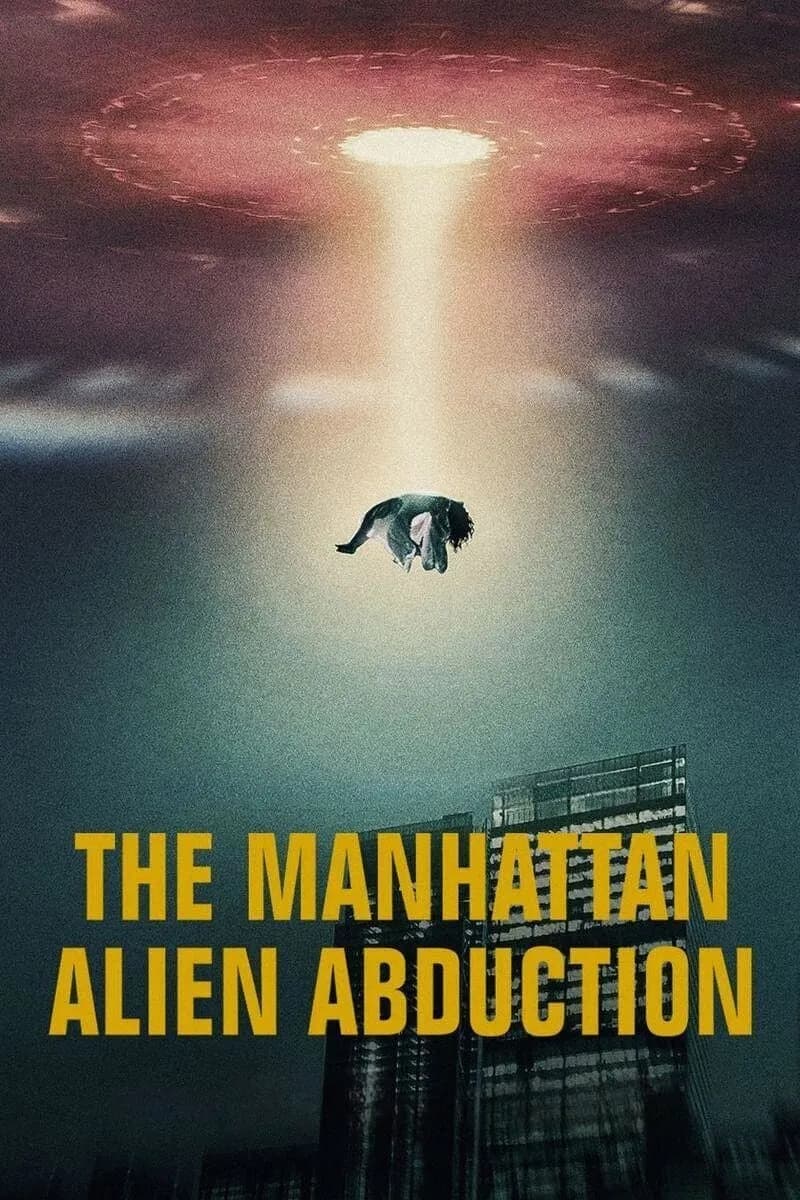
*The Manhattan Alien Abduction* is a three-episode Netflix docuseries released on October 30, 2024, that revisits one of the most contested alleged UFO incidents in American history. Rather than covering a conventional criminal case with an identified perpetrator and a court verdict, the series examines a decades-long dispute at the intersection of ufology, witness testimony, and credibility: did a New York woman named Linda Napolitano genuinely experience an extraterrestrial abduction in 1989, or was the entire episode an elaborate hoax? Directed by Vivienne Perry and Daniel Vernon, the series presents interviews, archival material, and competing interpretations, ultimately leaning — according to reviewers — toward skepticism, while stopping short of a definitive conclusion.
The Case
On the night of November 30, 1989, Linda Napolitano — also referred to in some sources as Linda Cortile — claimed she was pulled from her 12th-floor Lower Manhattan apartment in a beam of light and taken aboard an unidentified craft that then descended into the Hudson River near the Brooklyn Bridge. What made the account extraordinary, even by the standards of alleged abduction stories, was the claim that the event had been observed by more than 23 witnesses, including, according to some accounts circulated in UFO research circles, occupants of a vehicle associated with the United Nations Secretary-General who was in New York at the time.
The case was taken up by Budd Hopkins, a New York-based artist and prominent UFO researcher who had already built a reputation investigating alleged abduction cases. Hopkins said he gathered testimony from dozens of witnesses and conducted extensive interviews with Napolitano over several years. He published his findings in the 1996 book Witnessed, which became influential in ufology circles and transformed the incident into what many in that community called one of the best-documented alleged abductions on record.
No criminal investigation was ever opened. No perpetrator was ever identified, charged, or tried, because the incident — whether real or fabricated — does not constitute a confirmed crime under any legal framework that was pursued. Napolitano herself has never been charged with any offense. The sole legal action directly connected to the case and the docuseries is the lawsuit Napolitano filed against Netflix the day after the series premiered, in which she alleged that the documentary's framing seriously damaged her credibility and reputation.
By 2024, Napolitano was reported to be 77 years old, meaning she was likely in her late thirties at the time of the alleged 1989 event, though her exact age in 1989 has not been consistently confirmed across sources. She has maintained her account of the abduction for more than three decades.
The case has long divided observers into two camps: those who regard the witness testimony and Napolitano's consistency as compelling evidence of a genuine extraordinary event, and those — including several researchers who initially took the case seriously — who concluded that the account contained irreconcilable inconsistencies and was most plausibly a fabrication. The Netflix series does not resolve this dispute but surfaces it for a new generation of viewers.
Production
The series was directed by Vivienne Perry and Daniel Vernon, who structured the three episodes to move through the original 1989 claim, the ufological investigation led by Hopkins, and the subsequent years of controversy. The production incorporates interviews and archival research to reconstruct the climate of the late 1980s UFO research community and to place Napolitano's account within the broader history of abduction narratives in American popular culture.
Budd Hopkins, who died in 2011, is a significant presence in the series through archival footage and the testimony of people who worked with him. His role in shaping and publicizing the case — and the questions that have since been raised about investigative methodology in ufology more broadly — form a thread running through the documentary's implicit skeptical argument.
Netflix's own marketing described the case as one that continues to generate controversy on social media and online forums, positioning the series as an entry point for viewers unfamiliar with the details of the 1989 incident as well as a revisitation for those already acquainted with it.
Reception
Critical reception, while not uniformly summarized in available sources, reflected the inherently polarizing nature of the subject matter. A *TIME* magazine overview noted that the series frames the story with a skeptical lean, presenting the possibility of hoax as a serious and well-supported interpretation rather than a fringe dismissal. This approach pleased viewers who had long found the case implausible, while frustrating believers who felt the documentary failed to give adequate weight to the witness testimony Hopkins had assembled.
The series carries the IMDb title ID tt33506347, though a confirmed aggregate star rating was not available in sources consulted at time of publication.
The most significant controversy surrounding the series' release was Napolitano's legal action against Netflix. According to reporting by the New York Post, she filed her lawsuit on October 31, 2024 — one day after the premiere — arguing that the documentary's skeptical framing caused her reputational harm. The lawsuit added a layer of real-world drama to a story that had already blurred the lines between documented fact and disputed claim for 35 years.
The Case Today
As of late 2024, the Brooklyn Bridge abduction remains exactly what it has been since 1989: an unresolved dispute. No scientific body has verified the claim; no law enforcement agency has investigated it as a crime; no court has adjudicated whether the account was truthful or fabricated. Linda Napolitano continues to assert the reality of her experience, and her lawsuit against Netflix signals that she intends to defend that account through legal means.
Budd Hopkins' legacy in ufology has itself become a subject of reassessment. While he was a respected figure in UFO research circles during his lifetime, critics have questioned the methodologies he used in abduction investigations, and the Manhattan case has been cited by skeptics as an example of how belief systems can shape the collection and interpretation of witness testimony.
Whether viewed as a genuine mystery, a cautionary tale about the sociology of belief, or simply compelling documentary television, The Manhattan Alien Abduction succeeded in returning a 35-year-old story to mainstream attention — and in generating the kind of unresolved argument that tends to keep audiences searching for answers long after the credits roll.