The Curious Case of Natalia Grace
HBO Max, 2023 — the disputed adoption, abandonment charges, and age fraud allegations surrounding a Ukrainian orphan in Indiana
Quick facts
What Is the Series About?
The Curious Case of Natalia Grace is an HBO Max documentary series about one of the most legally and morally tangled adoption cases in recent American history: the story of Natalia Grace Barnett, a Ukrainian-born girl with a rare skeletal condition, and the Indiana couple who adopted her in 2010, only to later claim she was not a child at all but a dangerous adult woman posing as one. The series does not resolve that question cleanly — because, as subsequent reporting confirmed, it has never been cleanly resolved. What it does do is lay out, across three episodes premiering May 29–31, 2023, every layer of a case that combines disability, immigration, adoption law, alleged neglect, and one of the stranger fraud claims in modern American legal history.
The Case
The core facts of the Barnett case, as established by investigators and court records, begin in 2010, when Michael Barnett and Kristine Barnett of central Indiana adopted Natalia Grace, a Ukrainian orphan who had been listed as approximately six years old. Natalia was born with spondyloepiphyseal dysplasia congenita, a rare condition that affects bone growth and can make a person's physical appearance difficult to assess by age alone. That medical reality would become the pivot around which everything else turned.
Within a few years of the adoption, the Barnetts came to believe — and began to assert publicly and legally — that Natalia was not a child but a fully grown adult who had entered their home under false pretenses. They described her as threatening, manipulative, and dangerous. In a move that shocked many observers, they obtained a court order changing her legal birth year, effectively reclassifying her as an adult under Indiana law. Then, around 2013, they left her alone in an apartment in Lafayette, Indiana, and relocated to Canada.
Prosecutors in Hamilton County, Indiana saw it differently. After an investigation, they charged both Barnetts with neglect of a dependent, arguing that Natalia's documented birthdate of September 4, 2003, was accurate and that she had been a minor when she was abandoned. According to The Guardian, prosecutors later obtained medical and documentary records they said supported her original listed birthdate, directly contradicting the Barnetts' claims.
Michael Barnett was tried separately and acquitted in October 2022. Kristine Barnett's case never reached a jury: it was dismissed in March 2023, just before it was scheduled to begin. Neither adoptive parent was convicted. That legal outcome, however, satisfied almost no one following the case — advocates for Natalia saw it as a failure of the system; supporters of the Barnetts pointed to it as vindication.
Production
The series was directed by Christian Conway and Jackson Conway and structured across three episodes for its initial season on HBO Max. The production approach centers the documentary squarely on the unresolved question of Natalia's identity, interviewing parties from multiple sides and presenting the competing narratives — the Barnetts' account and Natalia's own — without forcing a tidy conclusion.
The timing of the premiere was notable: the first season aired May 29–31, 2023, just months after the last criminal case against the Barnetts had collapsed. The series thus arrived into a vacuum left by the courts, asking viewers to make their own judgments about evidence the justice system had declined to fully adjudicate. The franchise subsequently expanded significantly, growing to 16 episodes across three seasons on HBO Max, ID, and Discovery+, a scale that reflects the extraordinary sustained public appetite for this particular story.
Reception
The Guardian characterized the documentary as part of a broader "media storm" around the case and noted that the story remained "largely unresolved" even after the series aired. That ambiguity was both the series' central strength and its most contested feature. Critics and viewers debated whether the documentary gave appropriate weight to the possibility that Natalia — whatever her precise birth year — was a vulnerable person who had been failed by the adults responsible for her care, or whether it fairly represented the Barnetts' experience of a deeply confusing and frightening situation.
The series drew comparisons to other true-crime documentaries that hinge on disputed facts and unreliable narrators, but the disability dimension gave it a specific ethical weight. Advocacy groups for people with skeletal dysplasia pointed out that the Barnetts' age claims relied partly on assumptions about physical appearance that could be dangerously misleading in the context of Natalia's diagnosed condition.
A verified IMDb rating was not available from confirmed sources at the time of publication.
The Case Today
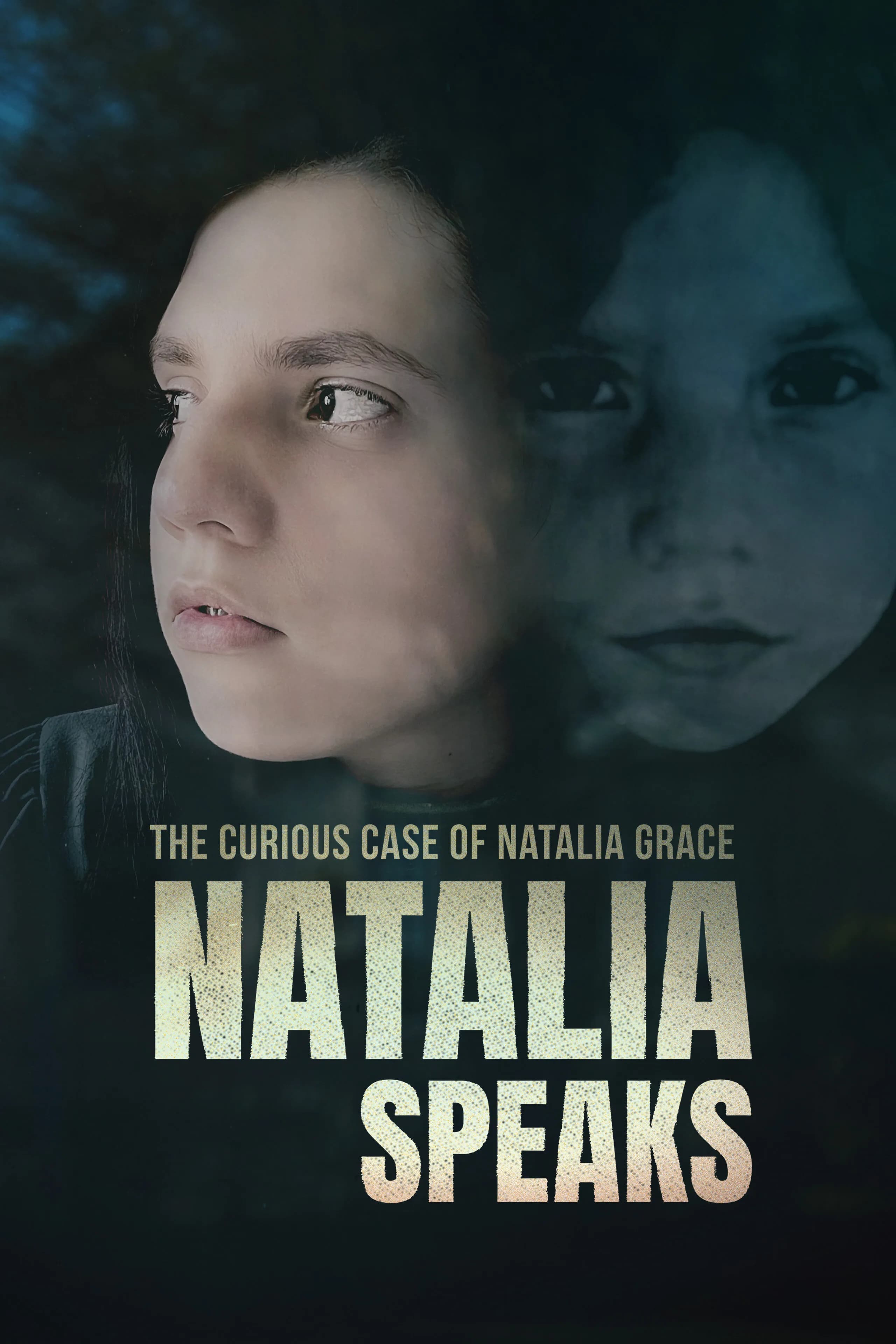
The Barnett case did not end with the documentary or the dismissal of criminal charges. Subsequent reporting and follow-up seasons kept public interest high, particularly as Natalia herself became more publicly vocal about her experience. Her own account, presented in the follow-up documentary Natalia Speaks, offered a direct counternarrative to the Barnetts' version of events and introduced new allegations that extended the story well beyond what the original series had covered.
The case also attracted renewed attention with the announcement and release of Good American Family, a dramatized version of the story, which introduced the events to an even wider audience and reignited debate about how Natalia's disability, nationality, and legal status had intersected to leave her in a position where her very identity — her age, her past, her credibility — became contested legal terrain.
As of 2024, no criminal conviction has been recorded against anyone in connection with Natalia Grace's treatment. The central question the series poses — was she an exploited child or an adult who deceived a family? — remains, in the eyes of most legal and medical authorities who have examined the record, unanswered by the courts, if not by the evidence.