The Cult Behind the Killer: The Andrea Yates Story
HBO Max / Investigation Discovery, 2026 — the 2001 Houston child drownings reexamined
Quick facts
What Is the Series About?
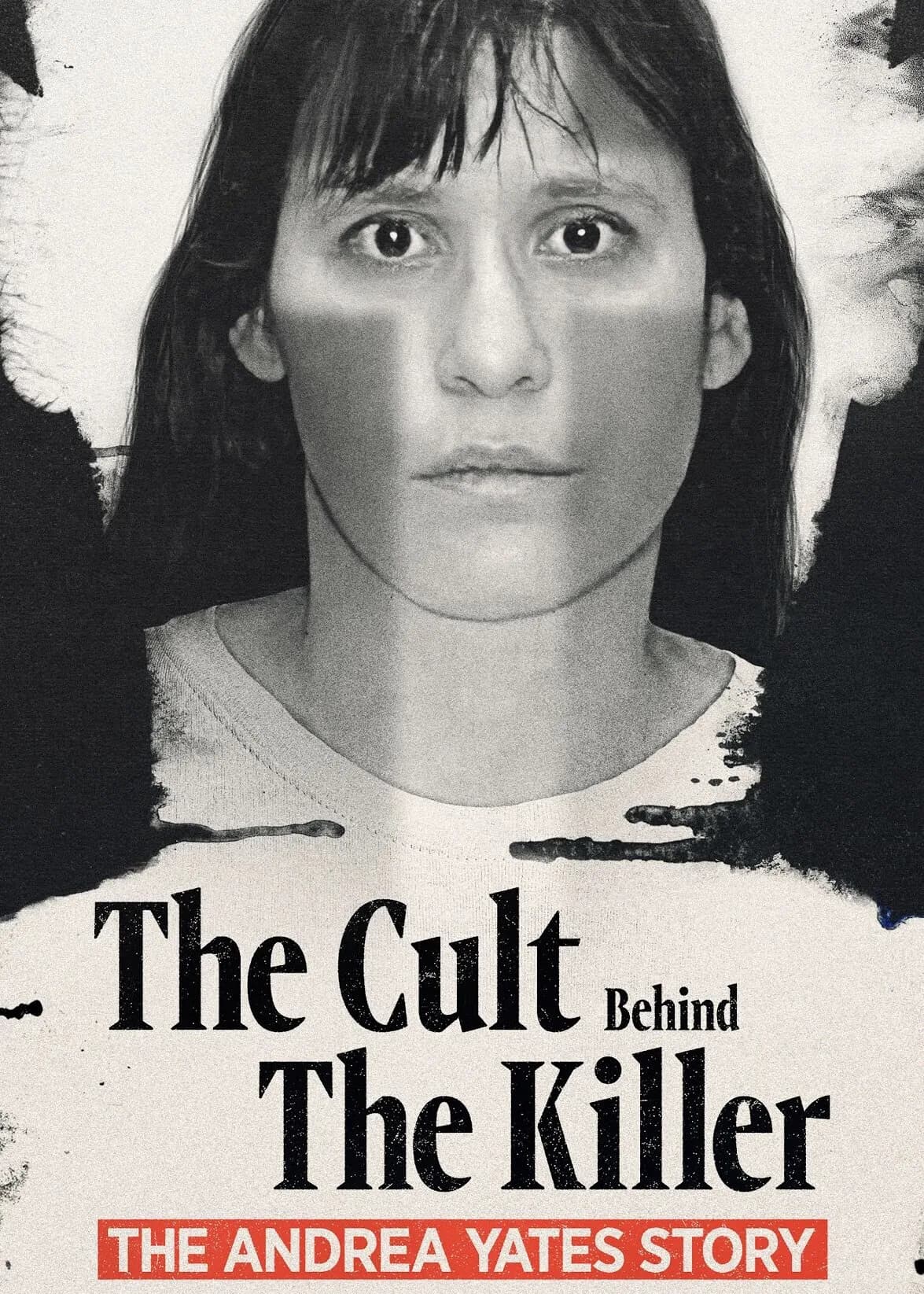
[The Cult Behind the Killer: The Andrea Yates Story](https://www.rottentomatoes.com/tv/the_cult_behind_the_killer_the_andrea_yates_story/s01) is a three-part true-crime docuseries that premiered on Investigation Discovery on January 6, 2026, and is available to stream on HBO Max. Directed by Julian P. Hobbs and Elli Hakami, the series revisits one of the most harrowing criminal cases in recent American history — the 2001 drowning deaths of Andrea Yates's five children in Houston, Texas — and fundamentally reframes the story. Rather than centering solely on Yates herself, the series places sustained scrutiny on Michael Woroniecki, a fire-and-brimstone street preacher whose extreme religious teachings are presented as a formative and deeply troubling influence on the Yates family in the years leading up to the tragedy.
Rated TV-14 (L|V), the series is aimed at mature audiences and handles subject matter involving child homicide, severe mental illness, religious extremism, and family isolation. Streaming availability is confirmed across multiple platforms in the United States, with the full season of three episodes accessible in one place.
---
The Case
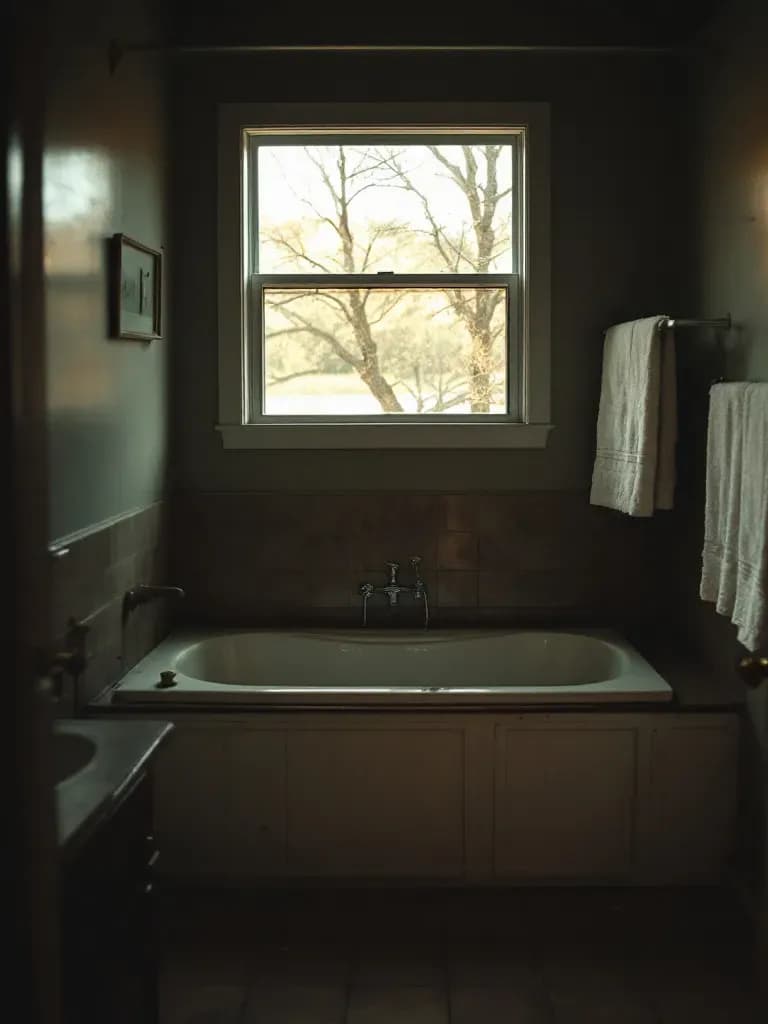
In 2001, Andrea Yates, a mother living in Houston, Texas, drowned her five children one by one in the family bathtub. The crime stunned the nation and immediately prompted urgent questions not only about what had happened inside that home, but about how it had been allowed to reach that point.
As reporting by *Time* has detailed, Yates had a documented and severe history of mental illness, including psychosis and postpartum depression. Her medical history was extensive, and her deteriorating mental state had been observed and treated — though clearly not adequately — in the period before the killings. These facts became central to her legal defense.
Yates was initially prosecuted in Texas, but after a successful appeal, she was retried and ultimately found not guilty by reason of insanity — an outcome that acknowledged the depth of her psychiatric crisis at the time of the crimes. The verdict was controversial: for some, it was a long-overdue recognition that Yates was a profoundly ill woman rather than a calculating killer; for others, it raised difficult questions about accountability and the protection of children.
The series introduces — and in many ways centers — a figure who has received comparatively little mainstream attention: Michael Woroniecki, a street preacher who disseminated rigid, apocalyptic religious teachings. According to the docuseries, the Yates family had significant contact with Woroniecki and his ideology. The series argues that his teachings created a religious environment of extreme guilt, unworthiness, and fear that contributed to the psychological conditions from which Yates could not escape. Importantly, however, Woroniecki was never a criminal defendant in the Yates case — the series frames him as a moral and ideological influence, not a legal perpetrator.
---
Production
The series was directed by Julian P. Hobbs and Elli Hakami, a pairing with experience in character-driven true-crime documentary filmmaking. The production draws on court records and medical history relating to the Yates case, situating the story within the documented legal and psychiatric record rather than relying on speculation.
The three-episode structure allows the directors to move methodically: establishing the case, examining the religious influence of Woroniecki, and contextualizing Yates's mental health collapse within the isolated world the family inhabited. An official trailer released by Investigation Discovery previewed the series' tone — sober, investigative, and focused on the systemic failures surrounding Yates as much as on the crime itself.
The choice of title — The Cult Behind the Killer — is itself an editorial statement, signaling that the filmmakers view Woroniecki's influence as something approaching cultic control, even if that characterization is not a legal finding.
---
Reception
Early responses to the series suggest that it has succeeded in shifting the conversation around the Yates case. Reviewer commentary linked from IMDb describes the docuseries as being "really about" Michael Woroniecki and his teachings rather than Andrea Yates in isolation — a reaction that reflects both the series' intentional framing and some viewer confusion generated by the title.
On Rotten Tomatoes, the series carries a TV-14 (L|V) content rating, though aggregate critic and audience scores are not yet widely available from verified sources. An IMDb rating has not been confirmed from available research at this time.
The series has drawn attention — and some controversy — for its willingness to examine mental illness, child homicide, and religious extremism in the same frame. Placing Woroniecki at the center of the narrative is a deliberate and provocative choice that some viewers will find overdue and others may find reductive. The case has long been a touchstone in debates about postpartum mental health, the limits of personal religious freedom, and the responsibilities of those around a person in psychiatric crisis.
---
The Case Today
Andrea Yates was found not guilty by reason of insanity and, under Texas law, was committed to a state psychiatric facility. Her current custody status and precise living arrangements are not confirmed by sources available at the time of publication.
Michael Woroniecki has never faced criminal charges in connection with the Yates case. His role remains a subject of moral and journalistic debate rather than legal adjudication — a distinction the series appears to acknowledge even as it makes a pointed argument about his influence.
The Andrea Yates case continues to be cited in discussions about maternal mental health policy, the adequacy of psychiatric care for postpartum conditions, and the way in which isolated religious environments can interact catastrophically with untreated illness. The release of this docuseries in January 2026 has reinvigorated that conversation, bringing a new generation of viewers to a case that remains one of the most painful and complex in American true-crime history.