Surviving R. Kelly
Amazon Store, 2019 — The decades-long sexual abuse and sex trafficking case against R&B star R. Kelly
Quick facts
What Is the Series About?
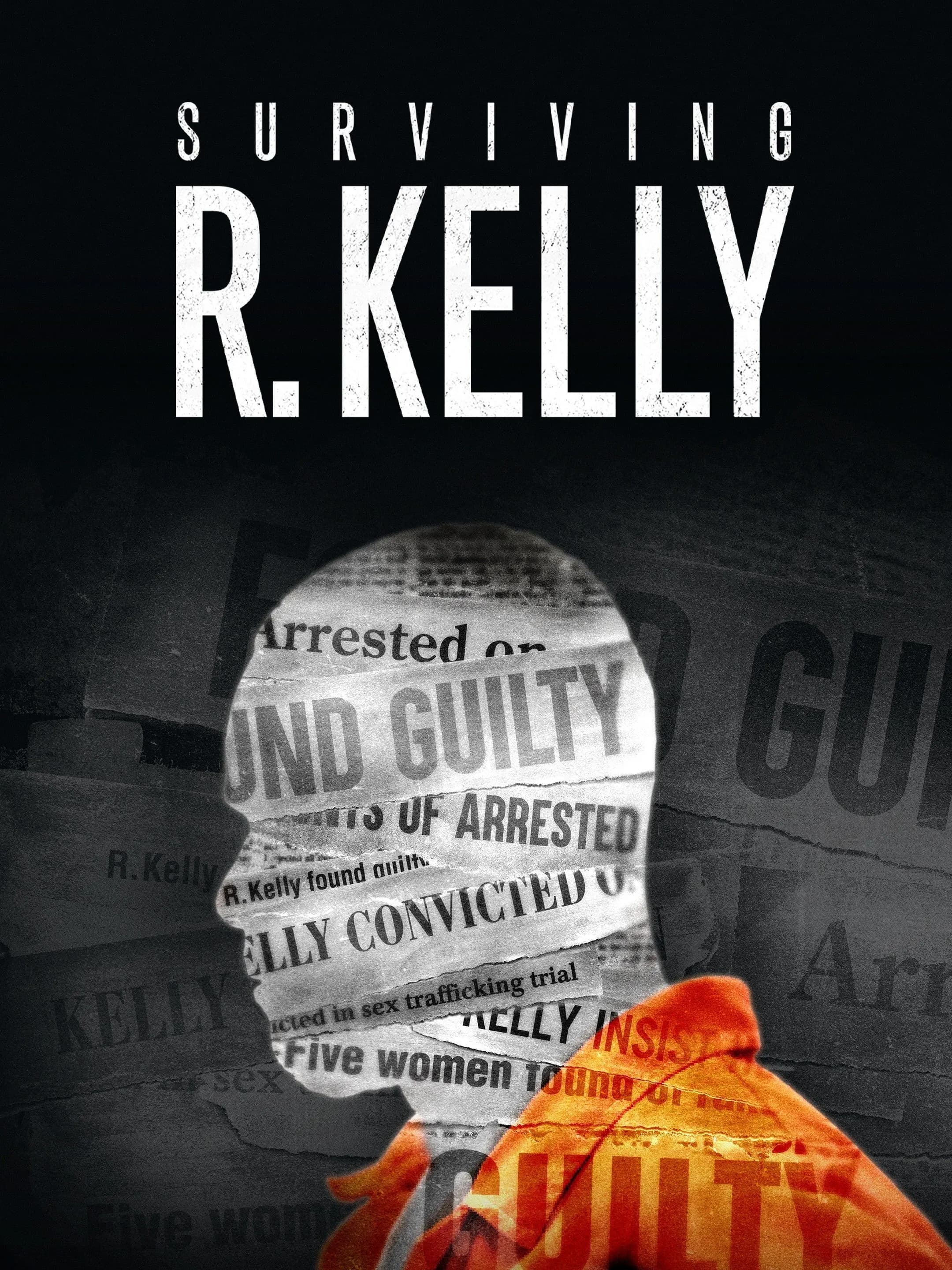
Surviving R. Kelly is a Lifetime documentary series — available to purchase on the Amazon Store and other digital platforms — that chronicles the decades-long sexual abuse, sex trafficking, and racketeering allegations against American R&B singer and producer Robert Sylvester Kelly. Premiering on January 3, 2019, the six-part first season is widely regarded as the most comprehensive public account of the allegations assembled at the time, and its airing had immediate, documented consequences for law enforcement investigations across multiple states.
The series does not focus on a single incident. Instead, it traces a pattern of alleged predatory conduct stretching from the early 1990s through 2018, drawing on the accounts of survivors, family members, activists, journalists, and fellow musicians. According to the BBC, the documentary presented evidence of organized recruitment and transportation of underage girls, as well as allegations of witness pressure and evidence destruction — conduct that would later be central to federal prosecution arguments.
The Case
Robert Sylvester Kelly built one of the most commercially successful careers in American R&B music during the 1990s and 2000s. Behind that public profile, however, allegations of sexual misconduct and abuse of women and girls had circulated in Chicago for years. As NPR reported, the documentary details allegations of teen exploitation and physical and psychological abuse spanning more than two decades — allegations that many observers said the entertainment industry and law enforcement had repeatedly failed to act upon.
The most widely reported early legal confrontation came in 2002, when a videotape allegedly showing Kelly with a 14-year-old girl led to criminal charges in Illinois. That prosecution ended in acquittal in 2008, a verdict that many advocates for the alleged victims described as a failure of the justice system.
The documentary's January 2019 broadcast changed the trajectory of the legal cases significantly. Esquire's detailed timeline of legal fallout documents how the series directly preceded a cascade of renewed law-enforcement activity. On February 22, 2019, Cook County prosecutors in Illinois filed 10 counts of aggravated criminal sexual abuse against Kelly, relating to four females — three of whom were minors at the time of the alleged offenses. Within days of the documentary's premiere, a criminal investigation was also reportedly opened in Georgia.
In the federal system, prosecutors in the Eastern District of New York built a sweeping racketeering and sex-trafficking case. In September 2021, a Brooklyn jury convicted Kelly on eight counts of sex trafficking and one count of racketeering. The Los Angeles Times reported extensively on both the verdict and the documentary's role in reviving public and prosecutorial attention. In June 2022, a federal judge sentenced Robert Sylvester Kelly to 30 years in federal prison. A separate federal trial in the Northern District of Illinois later in 2022 resulted in an additional conviction on charges including child sexual abuse.
The victims whose accounts underpin both the documentary and the legal proceedings represent multiple women and girls. Court records in the Illinois state case identified four female complainants, three of them teen minors. The 2008 prosecution involved a girl identified as 14 years old at the time. The full scope of victims across all federal proceedings is broader, though the available verified sources do not provide a complete case-by-case roster of all complainants by name or age.
Production
The six-episode first season aired across three consecutive nights on Lifetime, January 3–5, 2019. The series is credited as a Lifetime production; the available sources do not clearly identify a single named director for the first season. What is documented is the series' extraordinary scope: Rotten Tomatoes' summary notes that it features more than 50 interviews, including survivors speaking publicly for the first time, alongside activists, fellow musicians, journalists who had covered Kelly's legal troubles for years, and members of Kelly's own family.
The production is notable for the access it secured to individuals who had long been reluctant — or reportedly pressured — to speak publicly. The series addresses not only the alleged crimes themselves but the structural conditions that allowed the allegations to persist without sustained legal consequence for so long, including the role of the music industry, management, and media.
Reception
The series landed with significant cultural force. Reviews and commentary broadly described it as a long-overdue reckoning, forcing mainstream attention onto allegations that critics argued had been dismissed or minimized for years in part because the victims were Black women and girls. The BBC described the documentary as presenting "the most comprehensive look yet" at the allegations. NPR's coverage emphasized the documentary's role in detailing a sustained pattern of exploitation rather than isolated incidents.
A central controversy in the broader media response was the question of complicity: why had the entertainment industry, law enforcement, and mainstream media taken so long to act on allegations that had been reported — and largely set aside — for more than two decades? The documentary made that question impossible to ignore, and post-broadcast commentary in outlets including Esquire and the Los Angeles Times engaged directly with it.
The IMDb rating for the series is not confirmed in available verified sources.
The Case Today
As of the convictions in 2021 and 2022, Robert Sylvester Kelly is imprisoned, serving a 30-year federal sentence from the New York case alongside additional time from the Chicago federal conviction. The cases collectively represent one of the most significant celebrity criminal prosecutions of the #MeToo era, and Surviving R. Kelly is widely credited by journalists, prosecutors, and advocates as a catalyst that made the final legal reckoning possible.
The series raised enduring questions that extend beyond Kelly himself — about institutional failures, about who is believed when they report abuse, and about the conditions under which powerful abusers are protected. Those questions remain at the center of ongoing conversations about sexual violence, accountability in the entertainment industry, and the role of documentary journalism in pursuing justice.