Pamela Smart: An American Murder Mystery
Investigation Discovery, 2018 — the conspiracy murder of Gregg Smart and the trial that changed televised justice
Quick facts
What Is the Series About?
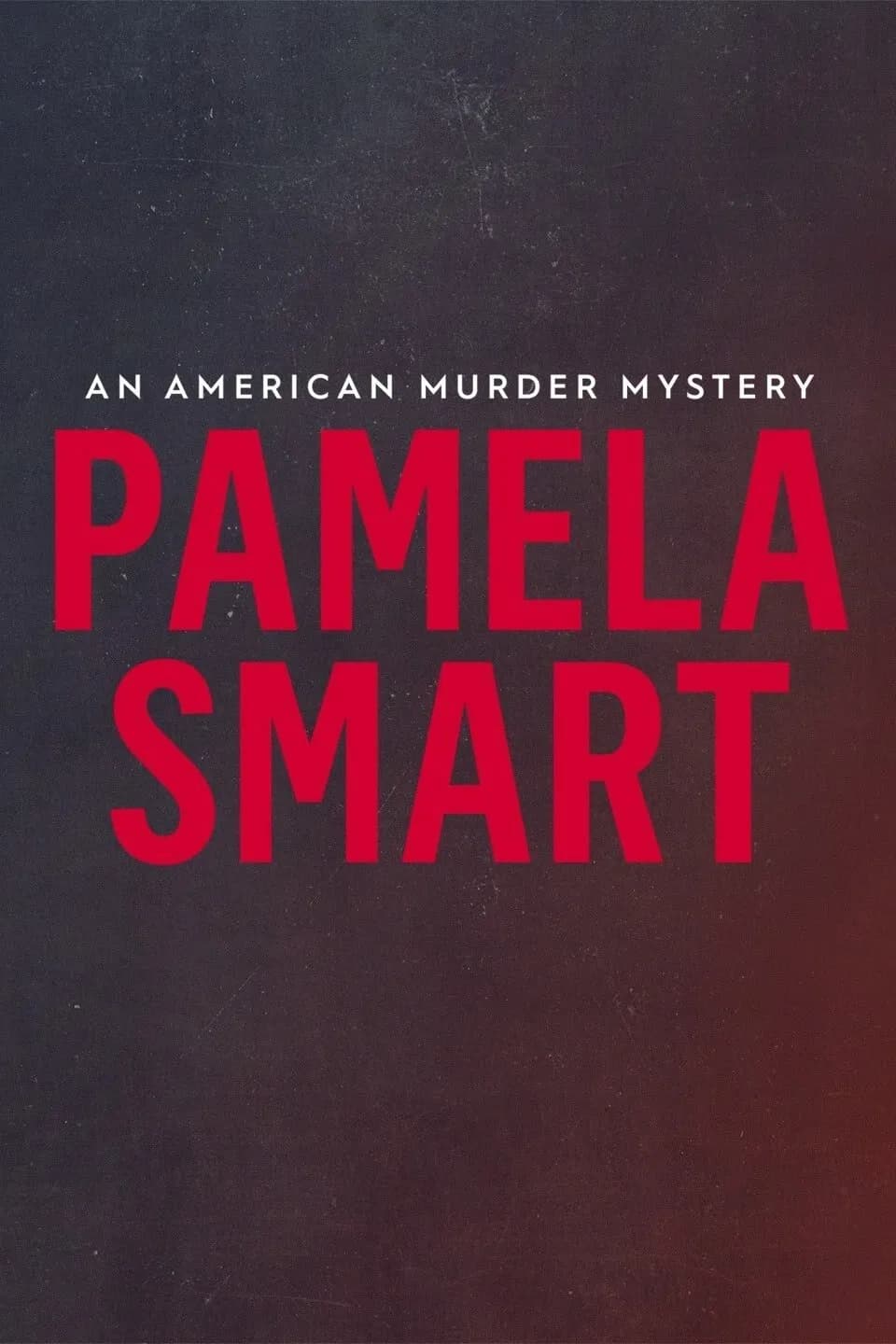
Pamela Smart: An American Murder Mystery is a three-part documentary mini-series directed by Rex Short and produced for Investigation Discovery (ID), with availability also through HBO Max in select regions. The series investigates one of the most sensational murder conspiracies of the early 1990s: the killing of 24-year-old Gregory "Gregg" William Smart in Derry, New Hampshire, on May 1, 1990, and the conviction of his wife, Pamela Ann Smart, for orchestrating the crime with her teenage boyfriend and his friends. The series premiered on August 8, 2018, according to IMDb (tt8757062), with some listings citing August 19, 2018.
Beyond reconstructing the murder and investigation, the documentary devotes significant attention to the trial itself — a media spectacle that permanently altered how Americans think about cameras in the courtroom — and to the long aftermath of a case that still divides opinion decades later.
---
The Case
The Victim
Gregg Smart was 24 years old when he was shot to death inside the Derry, New Hampshire home he shared with his wife Pamela. Friends and family described him as a young insurance salesman with his life ahead of him. His death initially appeared to investigators to be a burglary turned fatal.
Pamela Smart and the Conspiracy
Pamela Ann Smart, born August 16, 1967, was 22 years old at the time of the murder. She worked as a media coordinator at Winnacunnet High School and had begun a sexual relationship with a 15-year-old student, William "Billy" Flynn. Investigators ultimately determined that Pamela had conspired with Flynn and three of his teenage friends — Patrick Randall, Vance J.R. Lattime, and Raymond Fowler — to kill her husband.
Flynn carried out the shooting. The group had staged the scene to resemble a burglary in order to deflect suspicion. The conspiracy began to unravel when one of the teens confided in a friend, whose account eventually reached law enforcement. Undercover recordings proved pivotal in building the case against Smart.
The Accomplices and Their Sentences
All four teenage accomplices were convicted and sentenced:
- William "Billy" Flynn — 28 years to life
- Patrick Randall — 28 years to life
- Vance J.R. Lattime — 18 years to life
- Raymond Fowler — 15 to 30 years
Trial and Conviction
Pamela Smart's trial lasted 14 days in Rockingham County Superior Court and concluded on March 22, 1991, when the jury returned a guilty verdict on all counts: accomplice to first-degree murder, conspiracy to murder, and witness tampering. Smart was sentenced the same day to mandatory life in prison without the possibility of parole.
The trial is historically significant as the first murder trial in U.S. history to be broadcast gavel-to-gavel on television, a milestone that made it a landmark in both legal and media history. The saturation coverage — reporters, cameras, and round-the-clock news updates — shaped public perception before and during deliberations and became a subject of lasting debate about the fairness of televised proceedings.
Pamela Smart is currently incarcerated at Bedford Hills Correctional Facility for Women in New York.
---
Production
The series was directed by Rex Short and produced for Investigation Discovery, the true crime cable network. Running to three episodes, it combines archival news footage, court recordings, and interviews with investigators, prosecutors, and individuals connected to the case. Given that the trial was televised in full, the production team had access to an unusually rich visual record — actual courtroom footage rather than dramatized reconstructions dominates much of the series.
The documentary also examines what the case spawned culturally: the 1995 film To Die For, starring Nicole Kidman in a role widely understood to be inspired by Pamela Smart, is referenced in surrounding coverage as evidence of how deeply the story embedded itself in American popular consciousness.
The series is available to stream through HBO Max in certain regions, in addition to its original Investigation Discovery broadcast.
---
Reception
NBC New York reported that the documentary renewed public debate over whether Smart received a fair trial, with critics pointing specifically to the unprecedented presence of television cameras and the media frenzy they helped generate. The question of whether the saturation coverage tainted the jury pool or public opinion remains a live one among legal scholars and true crime commentators.
Fox News coverage of the series highlighted the controversy surrounding Smart's continued claims of innocence at the time of the documentary's release, while prosecutors quoted in the series described her as a manipulative figure who deliberately targeted vulnerable teenagers to carry out a killing she could not risk committing herself.
The combination of a teacher-student affair, teenage killers, a telegenic defendant, and a fully televised trial gave the series ample material, and viewer response reflected renewed fascination with a case that had never fully faded from public memory.
---
The Case Today
For nearly three decades after her conviction, Pamela Smart maintained that she was innocent or at least not directly responsible for planning her husband's death. That position shifted significantly in 2024. According to CNN's timeline of the case, Smart publicly accepted responsibility for Gregg Smart's death in June 2024, delivering a videotaped statement as part of a new effort to seek a reduction in her sentence.
ABC News reported that the admission reignited widespread public discussion about the case and its principals, more than 30 years after the murder. Smart remains incarcerated at Bedford Hills Correctional Facility for Women in New York, serving her mandatory life sentence without the possibility of parole. As of 2024, no sentence reduction had been granted.
The case continues to serve as a reference point in discussions about media influence on criminal trials, the prosecution of non-triggerman conspirators, and the question of whether life-without-parole sentences imposed in the early 1990s remain appropriate decades later.