Netflix Doc Reopens Case of Teen Convicted of Killing Two Friends
The Crash examines whether Mackenzie Shirilla deliberately drove into a building — and whether the courts got it right
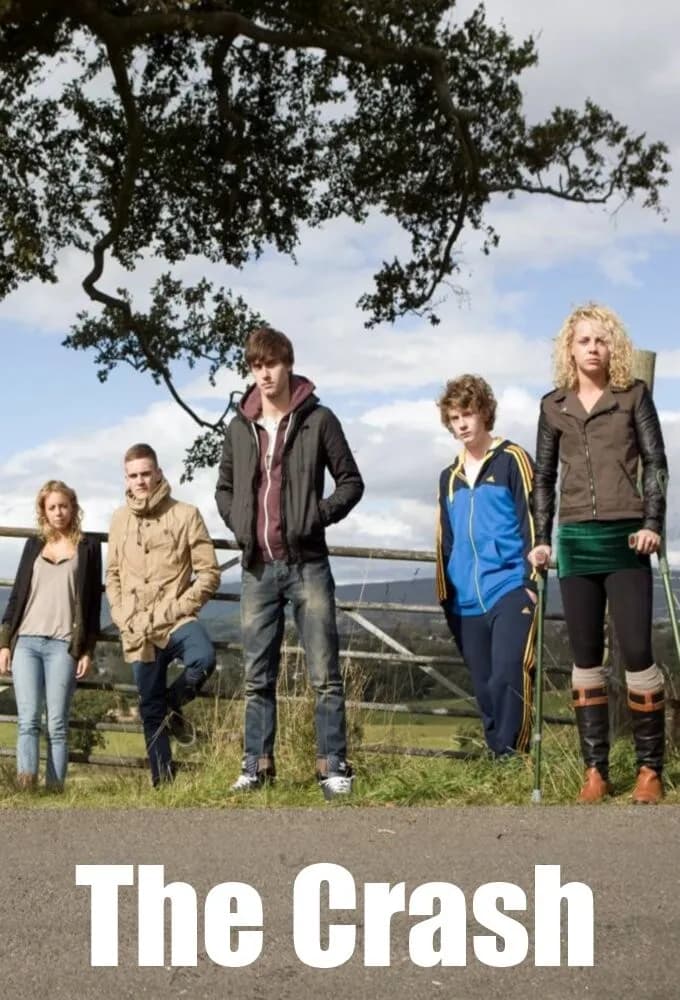
Ohio teenager Mackenzie Shirilla was convicted of murder in 2022 after prosecutors argued she deliberately accelerated a car into a building at high speed, killing her two friends Dominic 'Dom' Russo and Davion Flanagan. In 2026, Netflix revisits the case with the documentary The Crash — arriving just as Shirilla's appeal was being heard by the Ohio Supreme Court.
Accident or murder?
The Shirilla case shocked the United States when Ohio prosecutors chose to pursue murder charges rather than vehicular manslaughter. Their argument was unambiguous: Shirilla did not lose control of the car — she intentionally floored the accelerator and steered toward the building. The defense countered that there was no intent whatsoever, and that the crash should be treated as a tragic accident.
The court sided with the prosecution, convicting Shirilla of murder — a verdict that has since sparked significant legal debate across the country. The Crash places this central contradiction at the heart of its story: at what point does a car crash cease to be an accident and become deliberate homicide? It is a question that has made the case a frequently cited example in true crime documentaries and courtroom debates about burden of proof and the evidence of intent.
The appeal before the Ohio Supreme Court
Shirilla's conviction was not the end of the legal road. Her defense appealed the ruling, and by 2026 the case had reached the Ohio Supreme Court, where the lawfulness of the conviction was being examined anew. It is precisely this ongoing legal process that gives The Crash its urgency and its dramatic core: is a young woman unjustly imprisoned, or has justice been served for two young men who lost their lives?
Appeals of this nature — in which the burden of proof for intent in a traffic-related killing is directly challenged — are rare and carry significant legal weight. murder teen USA is a subject that engages true crime audiences worldwide, and the Shirilla case has generated massive debate on social media, particularly among younger users who identify with the people involved.
How the documentary approaches the case
The Crash follows the established documentary tradition of giving all sides a platform — the victims' families, Shirilla's family, and legal experts. According to coverage by streaming guide Decider, which has followed the documentary's production, the film positions itself within the growing field of Netflix true crime 2026 productions that do not simply retell a case, but actively question the conclusions reached by the justice system.
It is a format that has found a vast global audience. Netflix has in recent years released a string of documentaries examining controversial convictions, and The Crash draws on the same formula: a case built on uncertain intent, young people at its center, and a family that refuses to accept the verdict handed down.
A case that resonates beyond the United States
Although the events took place in Ohio, The Crash has attracted attention far beyond American borders. The question of when a car crash becomes murder is universal — it cuts to the heart of fundamental legal and moral questions about guilt, intent, and evidence, subjects that true crime audiences around the world engage with deeply.
For international readers who follow American cases closely, The Crash offers a compelling window into how the US legal system handles cases where direct evidence of intent is limited, and where social media and public opinion play an increasingly powerful role in shaping how justice is perceived.