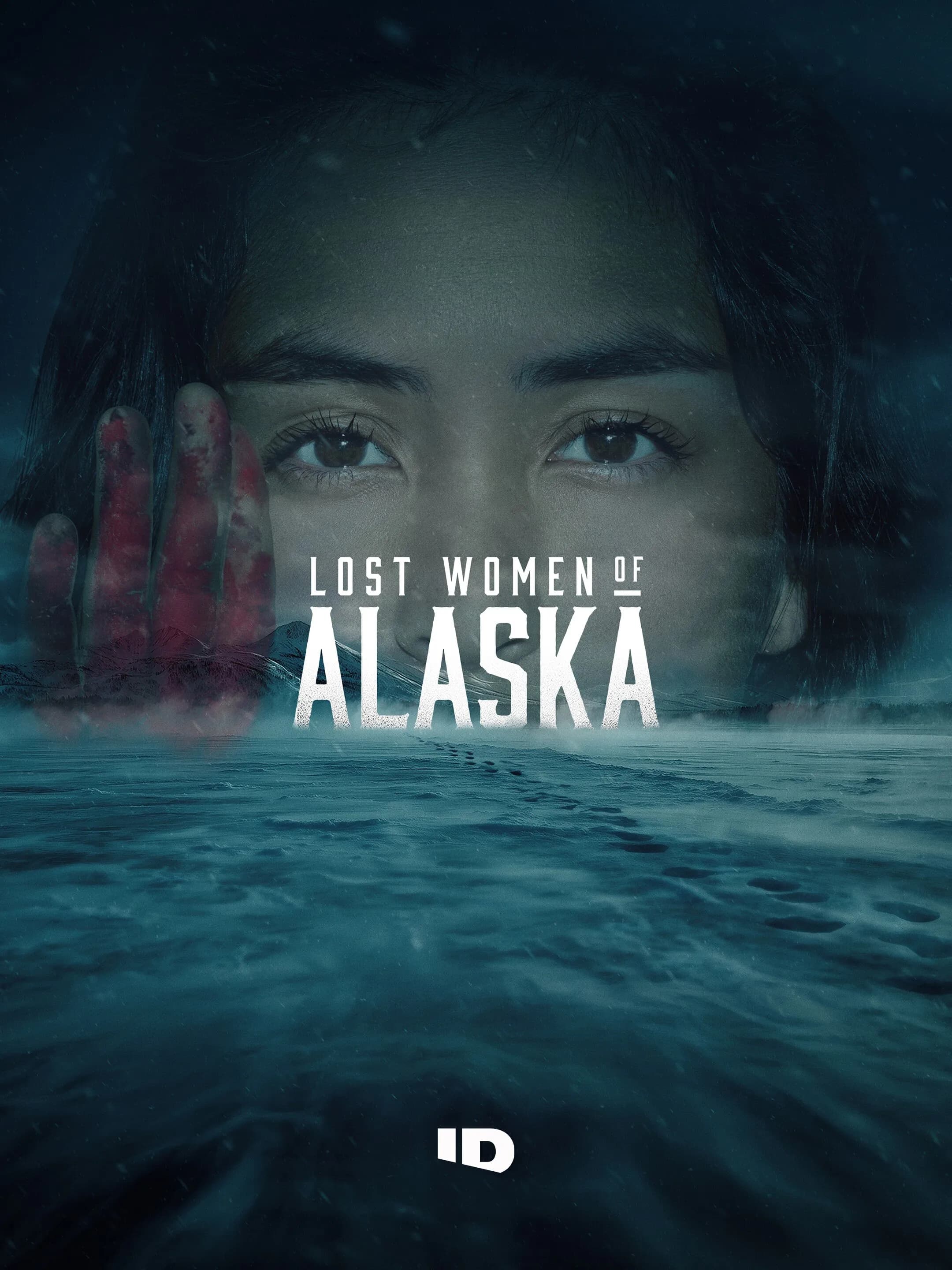
Lost Women of Alaska
HBO Max · 2026 · Brian Steven Smith's murders of Alaska Native women
Quick facts
What Is the Series About?
Lost Women of Alaska is a three-part documentary series that examines the so-called "memory card murders" — the serial killings committed by Brian Steven Smith in Anchorage, Alaska — and places those crimes within the wider, devastating crisis of Missing and Murdered Indigenous People (MMIP) in Alaska. The series premiered on February 25, 2026, on Investigation Discovery and is available to stream on HBO Max and Discovery Plus. Executive produced by Octavia Spencer, the production has drawn attention for its deliberate choice to center the lives of the victims — Alaska Native women — rather than sensationalizing the perpetrator.
The three episodes cover the murders of Veronica Abouchuk and Kathleen Jo Henry, as well as the disappearance of Cassandra Lee Boskofsky, weaving together family testimonies, advocate voices, and a close examination of how law enforcement responded — or failed to respond — to the disappearances of Indigenous women in Alaska.
---
The Case
The case at the heart of Lost Women of Alaska began to unravel in 2019, when graphic images and videos discovered on Brian Steven Smith's phone were turned over to the Anchorage Police Department. The material documented the torture and murder of Alaska Native women, and the case quickly became known in media coverage as the "memory card murders."
Smith, originally from South Africa and married to an Alaskan, was arrested following the discovery of that evidence. Investigators identified two confirmed victims:
- Veronica Abouchuk — an Alaska Native woman murdered in Anchorage in 2018.
- Kathleen Jo Henry — an Alaska Native woman murdered in Anchorage in 2019.
The series also addresses the case of Cassandra Lee Boskofsky, whose disappearance is examined in relation to Smith's crimes, though the sources available at publication do not confirm a fully verified outcome for her case beyond the series' own treatment of it.
Smith was convicted in 2024 of the murders of both Abouchuk and Henry. He is currently serving a 226-year prison sentence — a verdict that came years after the initial discovery of the evidence and after sustained pressure from victims' families and Indigenous advocates who argued that law enforcement had not acted with sufficient urgency.
Critical to the documentary's argument is the timeline before Smith's arrest. Reporting by Alaska Public Media and others highlights that advocates and families of missing Alaska Native women had long been raising alarms that were not adequately addressed. The series frames the Smith case not as an isolated incident but as a symptom of systemic failures in how authorities treat reports of missing Indigenous women — a pattern documented across Alaska and much of North America under the MMIP designation.
---
The MMIP Crisis Context
One of the defining editorial choices in Lost Women of Alaska is its insistence on situating Smith's crimes within the broader MMIP crisis. As reported by the Alaska Beacon, Alaska Native women are disproportionately represented among victims of violence and among the missing in Alaska, yet cases involving Indigenous victims have historically received less investigative attention and media coverage than those involving non-Indigenous women — a disparity critics describe as a form of systemic devaluation.
The series incorporates perspectives from a retired Unangax̂ detective who speaks directly to law enforcement's failures to protect Alaska Native women, lending credibility and insider perspective to the critique. Family members of the victims and Indigenous advocates also appear throughout the episodes, ensuring that the human cost of those institutional failures is never abstracted into policy language alone.
---
Production
Lost Women of Alaska is a three-episode documentary series produced for Investigation Discovery and HBO Max. It is executive produced by Octavia Spencer, the Academy Award-winning actress and producer known for championing projects that center underrepresented communities. No director has been publicly named in available sources at the time of publication.
The series runs across three episodes and draws on interviews with survivors, family members, Indigenous advocates, law enforcement officials, and journalists who covered the case. Its editorial approach — foregrounding the victims' lives and the systemic failures that left them vulnerable — has been noted by early reviewers as a distinguishing feature of the production.
---
Reception
Early coverage and critical commentary have framed Lost Women of Alaska as a significant and responsible entry in the true crime documentary genre, particularly for its decision to resist the conventions of perpetrator-focused crime storytelling. Reviewers and advocates have highlighted the series' commitment to centering the identities, lives, and humanity of the victims rather than dwelling on the details of Smith's crimes.
The series has also generated controversy. Following its premiere, the Anchorage Police Department faced renewed public scrutiny over its handling of the Smith case, particularly regarding the period before his arrest. The Anchorage Police Chief subsequently gave a public defense of the department's conduct — a development that itself drew further coverage and underscored the series' real-world impact. No verified aggregate critic score or IMDb rating was available at the time of publication.
---
The Case Today
Brian Steven Smith is currently incarcerated, serving his 226-year sentence following his 2024 conviction. The case of Cassandra Lee Boskofsky remains a subject of ongoing concern among advocates and families. The broader MMIP crisis in Alaska that the documentary addresses has not been resolved; advocates continue to press for legislative and law-enforcement reforms at both the state and federal level.
The Anchorage Police Department's public response to the series, and the continued attention the documentary has drawn to institutional failures, suggest that Lost Women of Alaska is functioning not only as a work of journalism and storytelling but as a catalyst for continued public accountability debate in Alaska.