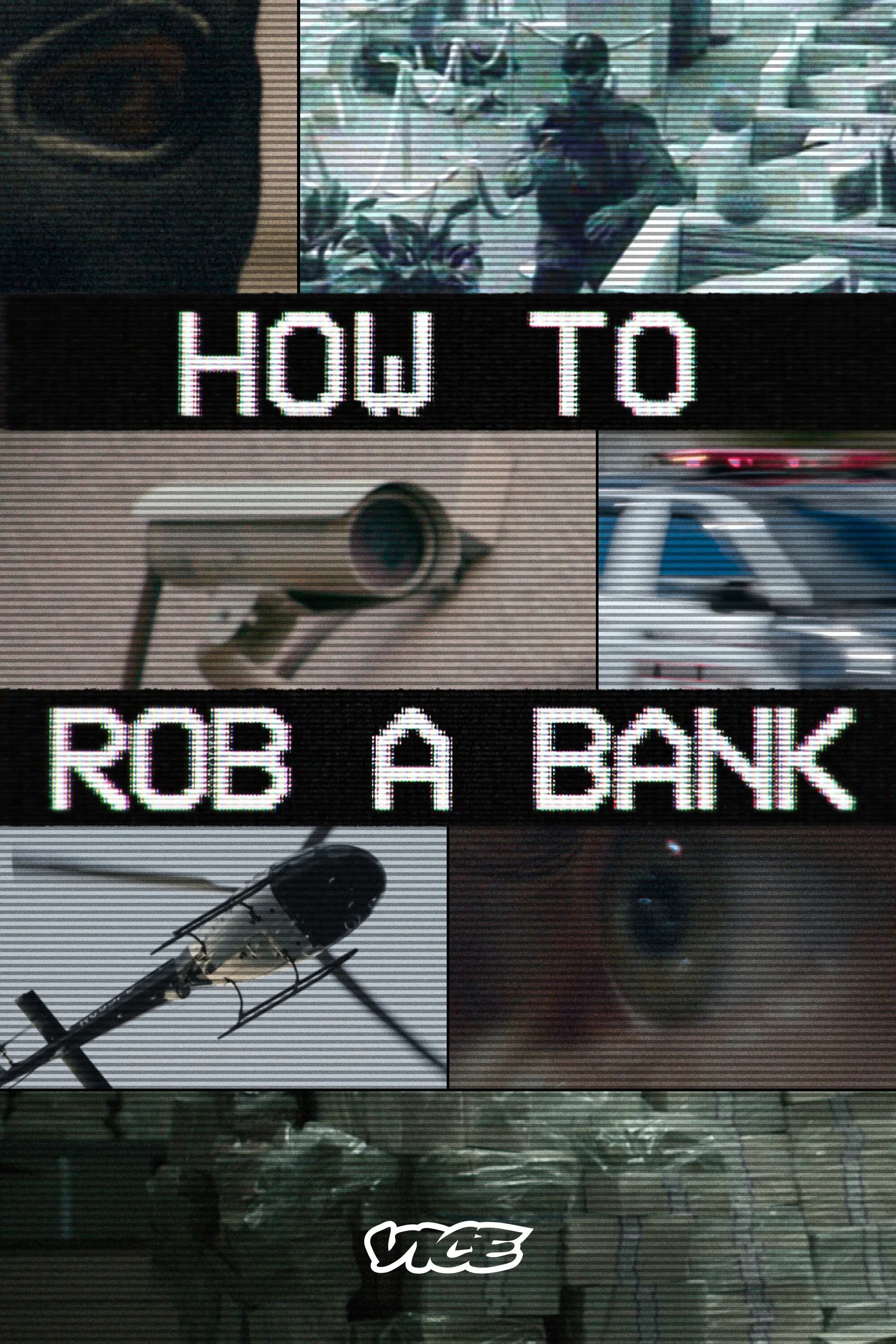
How to Rob a Bank
Netflix, 2024 — The true story of Seattle's Hollywood Bandit, Scott Scurlock
Quick facts
What Is the Series About?
How to Rob a Bank is a Netflix documentary that chronicles the real-life bank robbery spree led by Scott Scurlock in Seattle, Washington, during the 1990s. Released on June 5, 2024, and running 1 hour and 28 minutes, the film was directed by Stephen Robert Morse and Seth Porges. Despite its sensational, almost instructional title, the documentary is anything but a how-to guide. As Variety noted, the filmmakers explicitly framed the project as a study in the repercussions of crime — a cautionary true-crime story rather than a glorification of Scurlock or his methods.
The title generated immediate curiosity and some confusion upon release, with many viewers clicking on the documentary expecting something closer to a heist thriller. What they found instead was a detailed account of how one charismatic, deeply unconventional man built a small criminal enterprise, evaded the FBI for years through theatrical disguises and meticulous planning, and ultimately destroyed himself and those around him.
---
The Case
Scott Scurlock was born in 1955 and, by the early 1990s, had become one of the most wanted bank robbers in the Pacific Northwest. Operating primarily in the Seattle, Washington area, Scurlock and his crew carried out 19 confirmed bank robberies between 1992 and 1996, allegedly stealing more than $2.3 million in total.
The FBI nicknamed him "Hollywood" — a moniker that stuck — because of his extraordinary use of elaborate disguises and theatrical makeup to conceal his identity during robberies. Beyond his appearance, Scurlock cultivated an almost mythological persona: he lived in a treehouse hideout and ran what investigators described as a highly disciplined operation, at least by the standards of small-time American bank robbery.
His two primary accomplices were Mark Biggins and Steve Meyers, both of whom participated in the robberies and would later face federal prosecution. According to Time magazine, investigators eventually cracked the case through a combination of old-fashioned detective work and technology: electronic tracers embedded in cash handed over during one of the final robberies allowed authorities to track the suspects' movements.
The operation came to a violent end on November 27, 1996, when the gang conducted what would be their last robbery. A police confrontation and shootout followed as investigators closed in. Cornered, Scott Scurlock died by suicide on November 28, 1996, at the age of 41. His accomplices, Biggins and Meyers, were subsequently arrested, tried, and each sentenced to 21 years and 3 months in federal prison.
No individual bank employees or customers were identified by name in the documentary's publicly available coverage, but the robberies were armed, and the human cost of four years of violent crime against Seattle-area financial institutions is a thread running through the film's cautionary framing.
---
Production
The documentary was directed by Stephen Robert Morse and Seth Porges, and produced for Netflix. The official trailer showcases archival footage, law enforcement interviews, and reconstructed elements of Scurlock's disguises and methods, emphasizing both the theatrical absurdity and the genuine danger of the robbery spree.
Morse and Porges have stated in press materials that they were drawn to the story precisely because of its contradictions: Scurlock was, by many accounts, a charismatic and intelligent man who chose a criminal path that could only end in catastrophe. The documentary leans into that tension, spending significant time on his personality and background rather than simply cataloguing the robberies.
The Netflix Tudum article accompanying the release describes the film as exploring the full arc of Scurlock's criminal career — from the first robbery in 1992 through the FBI investigation, the final confrontation, and the legal aftermath for his surviving accomplices.
---
Reception
Critical reception was mixed to moderately positive. As of July 2024, the film held a 100% approval rating on Rotten Tomatoes based on 12 reviews, suggesting that early critical response was broadly favorable even if individual takes varied in enthusiasm. The documentary also spent time in Netflix's global top 10, indicating strong audience interest.
However, not all critics were impressed. The New York Times offered a notably cooler assessment, calling the documentary "perfunctory" and describing it as a disappointing entry in the true-crime genre — a film that assembles the facts of the case competently but fails to probe deeply enough into what made Scurlock tick or what his story means beyond its surface-level drama.
Variety, by contrast, gave the film a more favorable reading, emphasizing its focus on the repercussions of crime and its willingness to resist making Scurlock into a straightforward antihero. On IMDb, the documentary holds a rating of 6.6 out of 10, broadly consistent with audience ambivalence about a film that is solidly constructed but not transformative.
The biggest recurring point of discussion among viewers was the tension between the provocative title and the film's cautionary tone. The directors were transparent about this in interviews: the title is designed to hook audiences, but the documentary's actual argument is that there is no glamorous way to rob a bank — only ruin.
---
The Case Today
Scott Scurlock has been dead for nearly three decades. He left behind no public legacy other than the criminal record and the mythology the FBI nickname "Hollywood" helped create. The Netflix documentary is, in many ways, the most sustained public reckoning with his story since his death in 1996.
Mark Biggins and Steve Meyers were both sentenced to 21 years and 3 months in federal prison. The publicly available sources do not confirm their current status — whether either man has been released, remains incarcerated, or has otherwise re-entered public life. Neither accomplice appears to have spoken publicly in connection with the Netflix release based on available reporting.
For Seattle, the Scurlock case remains a strange footnote — a chapter of 1990s crime history that mixed the mundane (bank robbery) with the theatrical (Hollywood disguises, treehouse hideouts) in a way that still captures public imagination more than 25 years later. The Netflix documentary, whatever its critical limitations, ensures that the story of the Hollywood Bandit reaches a new generation of true-crime viewers.