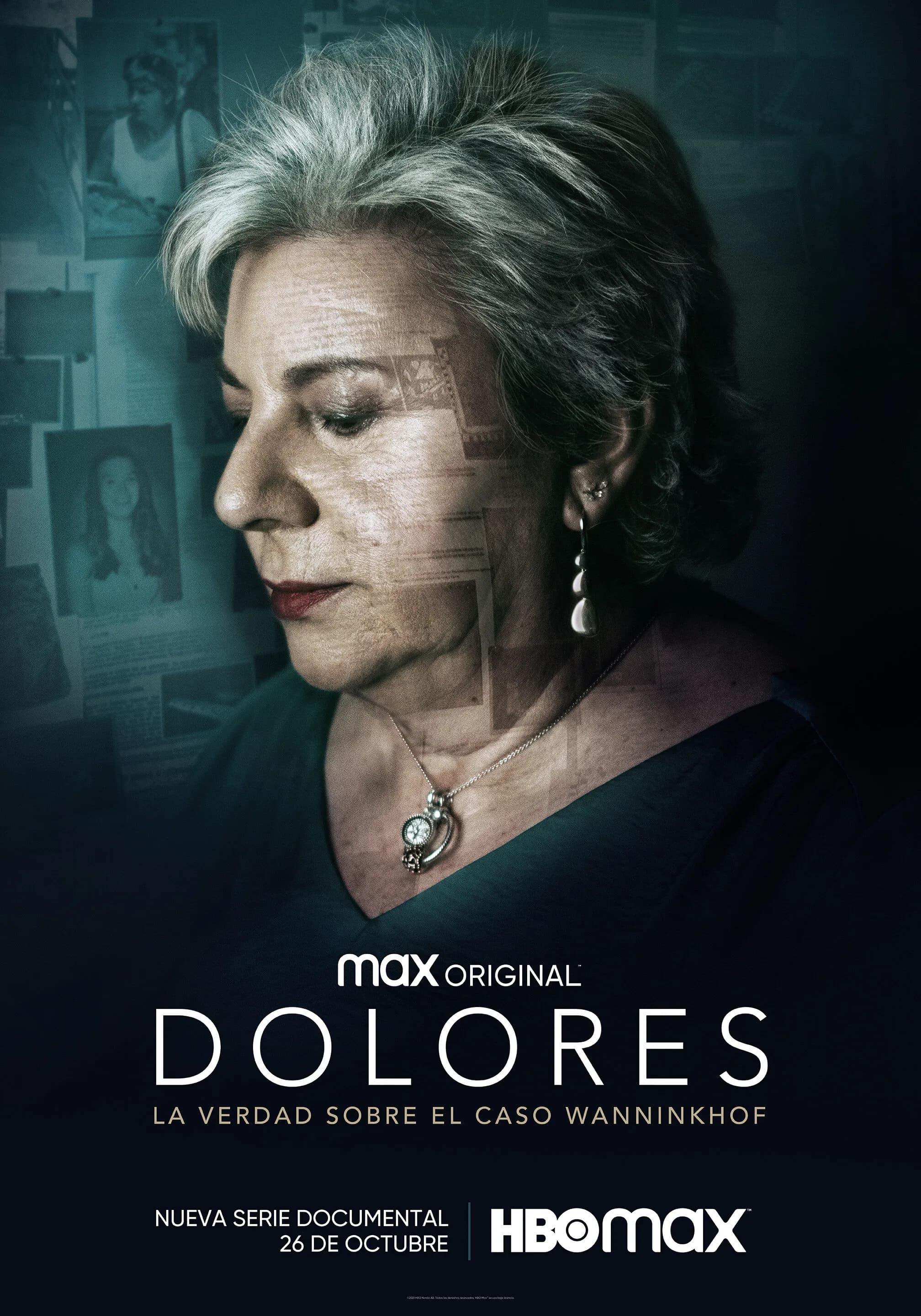
Dolores: La verdad sobre el caso Wanninkhof
HBO Max, 2021 — The wrongful conviction of Dolores Vázquez in Spain's most controversial murder case
Quick facts
What Is the Series About?
Dolores: La verdad sobre el caso Wanninkhof is a four-part documentary series released on HBO Max in 2021 that revisits one of the most notorious miscarriages of justice in modern Spanish legal history. The series places Dolores Vázquez — a woman wrongfully convicted of murdering a teenage girl — at its centre, documenting how a combination of media hysteria, homophobia, and a flawed jury process resulted in an innocent woman spending nearly three years behind bars. The documentary blends archival news footage, courtroom records, and new interviews to reconstruct both the original crime and the judicial catastrophe that followed.
The Case
On the night of 9 October 1999, nineteen-year-old Rocío Wanninkhof disappeared from near her home in Mijas, a coastal municipality in the province of Málaga, Andalusia. Her body was discovered shortly afterwards; she had been stabbed multiple times. The case immediately gripped Spain, and investigators focused their attention on Dolores Vázquez, who had been the long-term partner of Rocío's mother, Alicia Hornos. The relationship between Dolores and Alicia had ended acrimoniously, and Spanish tabloid media quickly cast Vázquez as a sinister figure — a narrative fuelled in no small part by prejudice against her sexuality.
In September 2000, Vázquez was arrested. The prosecution's case was built almost entirely on circumstantial evidence: witness testimony of dubious reliability, disputed forensic claims, and the insinuation that her lesbian identity made her capable of violence. In September 2001, a popular jury — Spain's jurado popular, introduced only in 1995 — returned a guilty verdict. Vázquez was sentenced to 17 years in prison. Legal analysts and civil liberties campaigners immediately questioned the robustness of the verdict, but appeals failed and she remained incarcerated.
The case broke open in November 2002, when another young woman, Sonia Carabantes, was murdered in the same area under strikingly similar circumstances. Investigators collected DNA from that scene and ran it through databases, producing a match to a British national living in the Costa del Sol: Tony Alexander King, a convicted sex offender who had been released from prison in the United Kingdom and relocated to Spain. Crucially, DNA from the Wanninkhof crime scene — evidence that had existed all along — was matched to King as well.
King was arrested in August 2003. Within weeks, Dolores Vázquez was released pending a retrial, and in September 2003 she was formally acquitted. She had spent close to three years in prison for a murder committed by another person entirely. Tony Alexander King was tried and convicted in 2006 for both murders and sentenced to 36 years.
The Wanninkhof case became a landmark in Spanish public discourse about the dangers of trial by media, the vulnerability of the jury system to prejudice, and the institutional homophobia that had coloured every stage of the investigation and prosecution against Vázquez.
Production
The documentary was produced for HBO Max Spain as part of a broader wave of Spanish-language true crime content that the platform commissioned in the early 2020s. The series spans four episodes and draws extensively on archival television news footage from the original investigation and trial — material that illustrates with uncomfortable clarity how Spanish media outlets framed Vázquez as guilty long before any verdict was delivered.
Producers secured access to participants connected to the case for new interviews, allowing the series to present perspectives that were not heard during the original media frenzy. The documentary also examines the structural problems within Spain's jury system that contributed to the wrongful conviction, consulting legal experts and criminologists who had followed the case since 1999.
A particular editorial focus of the series is the role of homophobia: multiple sequences document how Vázquez's sexuality was used, implicitly and explicitly, to construct a portrait of dangerousness in the absence of hard evidence. This dimension of the case gives the documentary a significance beyond the immediate facts of the crime, connecting it to wider debates about LGBTQ+ rights and equality before the law in Spain.
Reception
The series was well received by Spanish audiences and critics, many of whom praised its rigorous approach to a case that remained raw in the national memory. Reviewers noted that the documentary resisted sensationalism, choosing instead a measured, evidence-led narrative that let the absurdity and injustice of the original conviction speak for itself. The four-episode structure was generally considered well-paced, giving sufficient depth to both the criminal investigation and the human cost borne by Dolores Vázquez.
Critical commentary highlighted the series as an important contribution to the emerging genre of Spanish true crime documentary, which had begun to attract significant international attention in the same period. Some observers noted that the documentary arrived at a moment of heightened public interest in judicial reform in Spain, lending it additional political resonance.
IMDb rating data for the series is not confirmed at the time of publication.
The Case Today
Tony Alexander King remains imprisoned in Spain, serving his 36-year sentence for the murders of Rocío Wanninkhof and Sonia Carabantes. Dolores Vázquez received no formal state apology and, under Spanish law at the time of her acquittal, faced significant difficulties in obtaining compensation for her wrongful imprisonment. Her case continues to be cited by legal reformers and journalists as a defining example of the dangers of allowing media narratives and social prejudice to drive criminal prosecutions.
The Wanninkhof case also prompted broader discussion about the competence and safeguards of Spain's jury system, particularly regarding the training provided to jurors and the instructions they receive about weighing circumstantial evidence. Reforms have been proposed and debated in the years since, though comprehensive legislative change to the jurado popular framework has remained elusive.
For many in Spain, the name Dolores Vázquez has become synonymous with the concept of wrongful conviction — a symbol of what happens when institutional bias, a sensationalist press, and a flawed process converge around an innocent person. The HBO Max series ensures that her story, and the failures that shaped it, remain part of the public record.