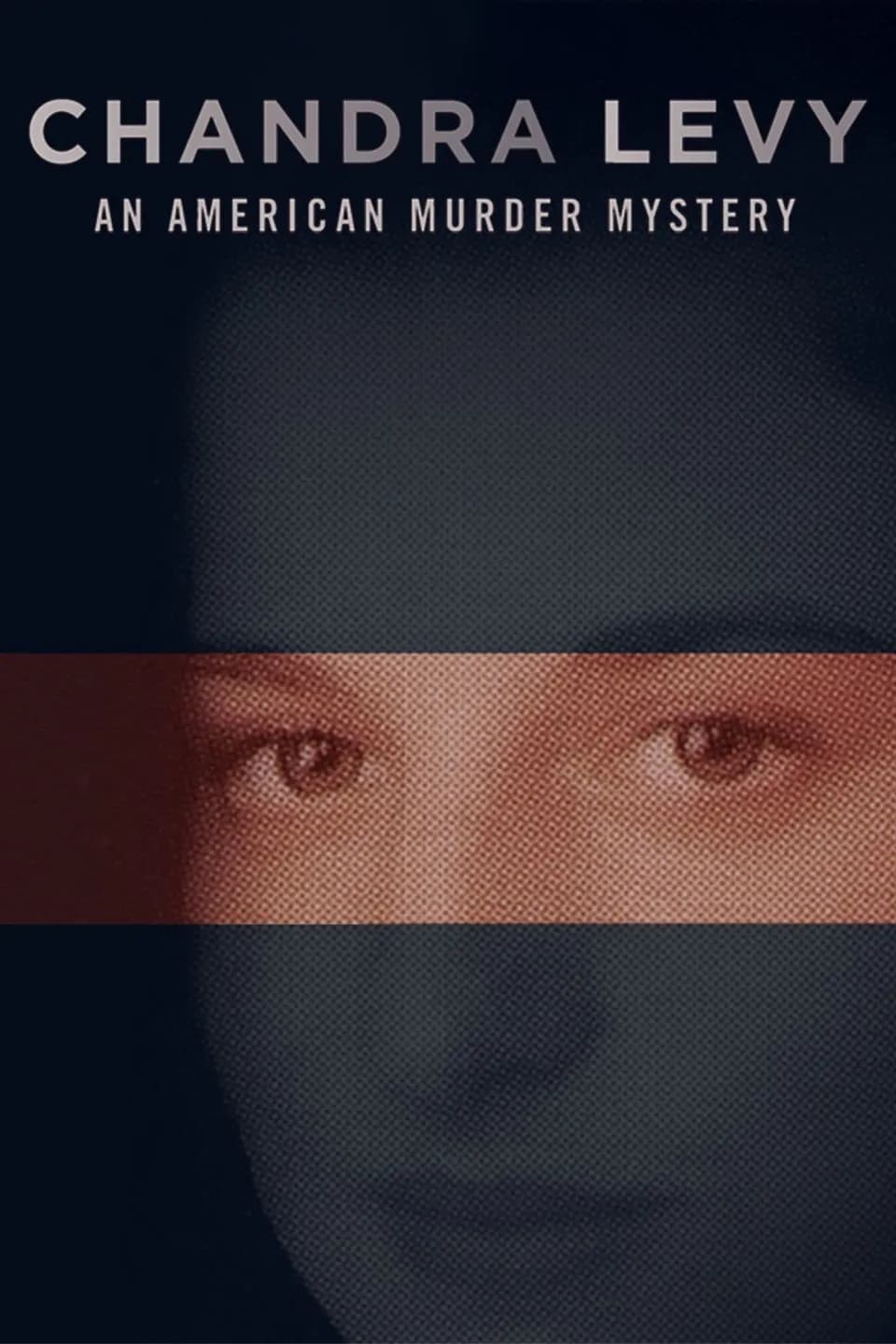
Chandra Levy: An American Murder Mystery
HBO Max, 2017 — the 2001 disappearance and murder of Washington D.C. intern Chandra Levy
Quick facts
What Is the Series About?
Chandra Levy: An American Murder Mystery is a three-part documentary series that examines the 2001 disappearance and murder of Washington D.C. intern Chandra Levy, one of the most politically charged cold-case stories in modern American history. Released in 2017 and available on HBO Max, the series traces the full arc of the investigation — from the frenzied media speculation surrounding Congressman Gary Condit, to the eventual prosecution and contested conviction of Salvadoran immigrant Ingmar Guandique, to the shocking collapse of that conviction just years later.
The series is composed of one season of three episodes, with the first episode titled "Sex, Lies, and Missing Interns." It carries a TV-14 rating and has been made available across multiple streaming platforms including Hulu, Philo, and Prime Video in addition to HBO Max, though regional availability varies.
---
The Case
On May 1, 2001, Chandra Levy, a 24-year-old intern from Modesto, California, vanished from her Washington D.C. apartment. She had been working at the Federal Bureau of Prisons and was preparing to return home to California after completing her internship. Her disappearance immediately made national headlines — not only because of the mysterious circumstances, but because of the revelation that she had been in a romantic relationship with Gary Condit, a married Democratic congressman from her home district in California.
Condit dominated early news coverage and became the subject of intense public suspicion, though he was never charged with any crime related to Levy's death. The investigation into him eventually stalled, and law enforcement attention shifted elsewhere.
In May 2002, more than a year after Levy went missing, her skeletal remains were discovered in a remote, wooded section of Rock Creek Park in Washington D.C. Prosecutors would later allege that she had been attacked in that area and left to die of dehydration or exposure. The manner of death pointed to a brutal assault in an isolated location, consistent with the behavior of a suspect who had already come to police attention: Ingmar Guandique.
Guandique, a Salvadoran immigrant who was in the United States illegally at the time, had been convicted of two separate attacks on women joggers in Rock Creek Park in 2001 — attacks that occurred around the same period as Levy's disappearance. Prosecutors used these prior assaults as a cornerstone of their circumstantial case against him. By 2009, Guandique had been formally charged with Levy's murder, despite his continued denials of involvement.
In November 2010, a Washington D.C. jury convicted Guandique on two counts of first-degree murder while armed. In February 2011, he was sentenced to 60 years in federal prison — a verdict that appeared to finally close the book on one of the capital's most notorious cold cases.
However, the closure did not hold. In 2015, a federal judge granted Guandique a new trial, with concerns centering on the credibility of a jailhouse informant whose testimony had been central to the conviction. In 2016, federal prosecutors took the extraordinary step of moving to dismiss all charges against Guandique, citing unforeseen developments that had undermined their ability to retry the case. Guandique was subsequently deported to El Salvador. As of the series' release in 2017, Chandra Levy's murder remained officially unsolved.
---
Production
The series was produced with Dylan Howard credited as executive producer. No director has been clearly identified in available records, including IMDb and platform listings. Rex Short appears in Prime Video's listing credits, though his specific production role is not confirmed in available sources.
The series does not appear to have secured exclusive law enforcement access or previously unreleased evidence. Instead, it draws on interviews, archival news footage, and reconstructions to revisit the major phases of the case — the initial disappearance, the congressional scandal, the investigation, the trial, and its unraveling. The production approach follows a format consistent with the wave of true crime documentary series that dominated streaming platforms in the mid-to-late 2010s.
---
Reception
Critical reception to the series was mixed at best. A review from *The Dispatch* noted that the documentary "reveals little new," suggesting that viewers already familiar with the case would find limited revelatory value in the series. This is a common criticism leveled at true crime documentaries that cover well-documented cases without access to new witnesses or evidence.
By contrast, *Fox News* framed the series more favorably, quoting a former investigator who expressed hope that the documentary could motivate someone with relevant knowledge to come forward — reflecting the ongoing public-interest dimension of a case that remained legally unresolved despite years of prosecution.
On IMDb, the episode "Sex, Lies, and Missing Interns" (tt7341684) carries a rating of 7.4/10, while a Prime Video storefront listing for the series shows a score of 6.5/10 — suggesting a modest but engaged audience response. The discrepancy between episode-level and series-level scores is not unusual for shorter documentary miniseries on aggregator platforms.
The series holds a TV-14 content rating and is categorized under documentary and crime genres across all major platforms on which it has appeared.
---
The Case Today
The legal status of the Chandra Levy murder case remains one of the more striking unresolved chapters in Washington D.C. criminal history. Ingmar Guandique — the only man ever convicted of her murder — had his conviction vacated, was never retried, and was deported to El Salvador in 2016. Federal prosecutors declined to pursue the case further, citing developments they described as unforeseen but did not detail publicly at the time.
ABC News has underscored that even after years of investigation and a full trial, fundamental questions about Levy's death remain unanswered in the public record. Guandique consistently maintained his innocence throughout the legal proceedings. Gary Condit, whose name was synonymous with the case in its early years, was never implicated by investigators and has not been charged with any crime.
For the Levy family and the broader public, the documentary series represents one of several attempts to process a case that the justice system ultimately left unresolved. Whether new evidence will ever surface to formally identify Chandra Levy's killer remains an open question.