Beast of Bangalore: Indian Predator
Netflix, 2022 — the case of Umesh Reddy, a former cop turned serial rapist and murderer
Quick facts
What Is the Series About?
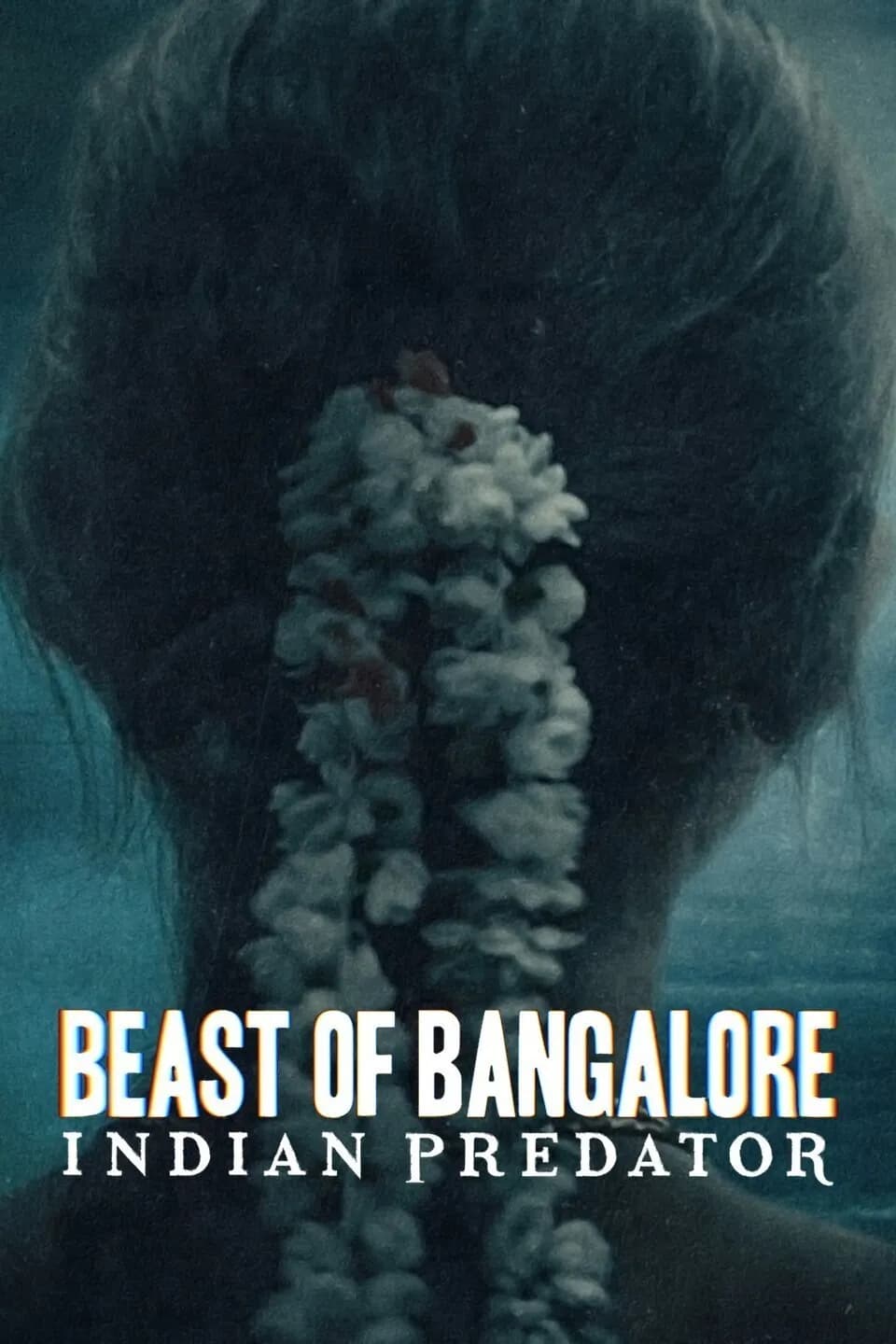
Beast of Bangalore: Indian Predator is a Netflix true-crime docuseries that chronicles the crimes of Umesh Reddy, a former police constable who terrorized women across Karnataka and neighboring Indian states from the mid-1990s through the early 2000s. Released on 16 December 2022 and directed by Ashwin Rai Shetty, the series spans three episodes and forms part of Netflix's broader Indian Predator anthology franchise. Unlike many true-crime productions that focus on a single dramatic event, Beast of Bangalore traces the full arc of Reddy's criminal career, from his exploitation of his police background to his eventual convictions and the long legal battle over his sentence.
The Case
At the center of the series is B.A. Umesh Reddy, a man who used his training and status as a former police constable, including stints as a CRPF and DAR trainee, to gain the trust of victims and evade detection. Operating primarily in Bangalore but also committing crimes in Ahmedabad, Vadodara, Maharashtra, and Gujarat, Reddy targeted women who were alone or vulnerable, typically breaking into homes and committing rape and murder.
According to the Wikipedia case record and reporting from multiple Indian outlets, Reddy confessed to killing 18 women and is believed by police to have raped at least 20 women across his criminal career, which spanned roughly 1996 to 2002. He was ultimately convicted in nine separate cases.
One of the most prominently documented crimes in the case is the 1998 Peenya rape-and-murder, in which a 37-year-old widow was killed, a case that became a focal point of both the prosecution and later media coverage. The sheer geographic spread of Reddy's crimes, crossing state lines, complicated the investigation considerably and allowed him to operate for years before authorities could build a comprehensive case against him.
Perhaps most disturbing was Reddy's repeated ability to escape custody. He was arrested on more than one occasion during the investigation but managed to flee, prolonging both the investigation and the climate of fear in Bangalore. As coverage in Times Now and other outlets noted, the cop-turned-killer dimension of the case made it especially shocking to the public.
Sentencing and Legal Proceedings
The Karnataka High Court sentenced Umesh Reddy to death in 2009, a decision that the Supreme Court of India upheld in 2011. For over a decade, Reddy sat on death row. However, in 2022, the same year the Netflix series was released, the Supreme Court commuted his sentence to 30 years imprisonment after considering a mercy petition. He is currently reported to be serving his sentence at Belagavi jail.
The commutation of the sentence reignited public debate about the justice system's handling of the case, particularly given the scale and severity of his confirmed crimes.
Production
The series was directed by Ashwin Rai Shetty and produced as part of Netflix India's Indian Predator docuseries franchise. The official Netflix trailer emphasized the cop-turned-killer narrative angle, underscoring the betrayal of public trust at the heart of the case.
According to available coverage, the documentary incorporates interviews with police officials, victims, and associates connected to the Umesh Reddy case, giving the series a multi-perspective structure. The format of three tightly focused episodes mirrors others in the Indian Predator franchise and keeps the narrative propulsive without straying into dramatization.
As Lifestyle Asia's breakdown of the true story notes, the documentary presents the case as not merely the story of one criminal but as an indictment of institutional failures that allowed Reddy to continue for so long.
Reception
Beast of Bangalore: Indian Predator holds an IMDb rating of 6.2/10 (IMDb ID: tt23751640), reflecting a mixed-to-moderate audience response. Critics and reviewers have largely positioned the series as a grim and disturbing watch, not for sensationalist reasons, but because of what it reveals about systemic failures.
A review from OTTplay described the series as a bleak reminder of the failings of the police and justice system, highlighting that the documentary's real horror lies not just in Reddy's crimes but in how long those crimes went unchecked. The custody escapes, the cross-state jurisdictional confusion, and the eventual delays in final sentencing all emerge as focal points of criticism.
Audience-facing coverage consistently emphasized the shock value of Reddy's police background. While the series does not appear to have generated a major controversy of its own, the underlying case remains deeply controversial, particularly in light of the 2022 sentence commutation, which many observers found difficult to reconcile with the scale of Reddy's admitted crimes.
The Case Today
As of the time of the series' release in December 2022, Umesh Reddy was serving a commuted sentence of 30 years at Belagavi jail following the Supreme Court's decision earlier that year. The commutation, handed down in the same year the documentary brought his case back into public consciousness, drew significant attention and renewed scrutiny of how India's legal system handles cases involving extreme and repeated violence.
The Netflix series, by bringing Reddy's story to a global audience, has ensured that the case remains part of the broader conversation about policing failures, serial crime investigation, and victim justice in India. For many viewers, the most enduring question the documentary raises is not simply how Umesh Reddy committed so many crimes, but how the system allowed him to continue for so long.