A Body in the Snow: The Trial of Karen Read
HBO Max / ID, 2025 — The Karen Read murder case and the trial that divided America
Quick facts
What Is the Series About?
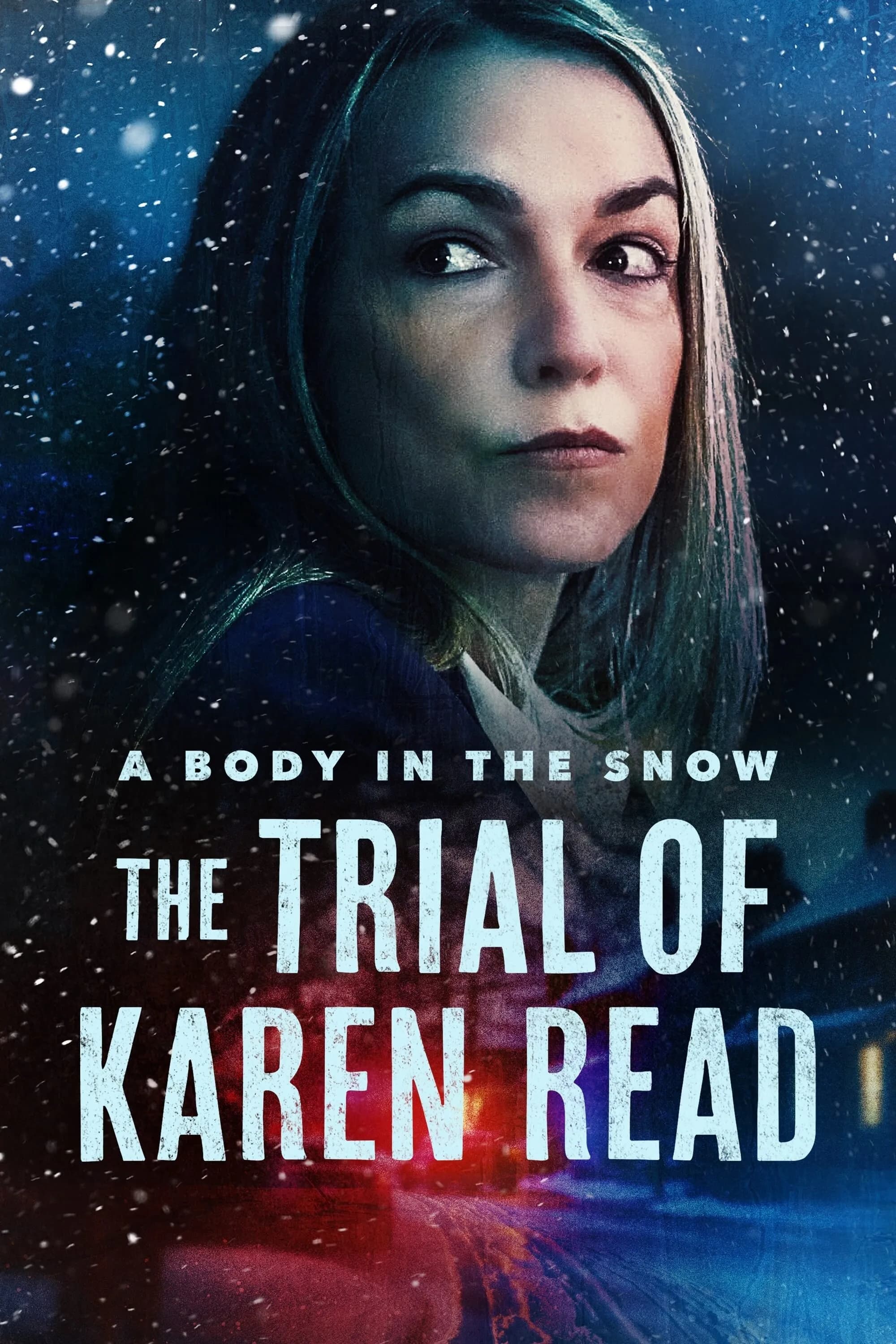
A Body in the Snow: The Trial of Karen Read is a five-episode true-crime documentary series that premiered on March 17, 2025, on both Investigation Discovery and HBO Max. Directed by Terry Dunn Meurer, the series follows one of the most polarizing criminal cases in recent Massachusetts history: the death of Boston Police Officer John O'Keefe on January 29, 2022, and the two trials of his girlfriend, Karen Read, who was charged with his murder. The documentary places the viewer at the center of a case that is not merely about guilt or innocence, but about whether the American justice system — and law enforcement itself — can be trusted.
The Case
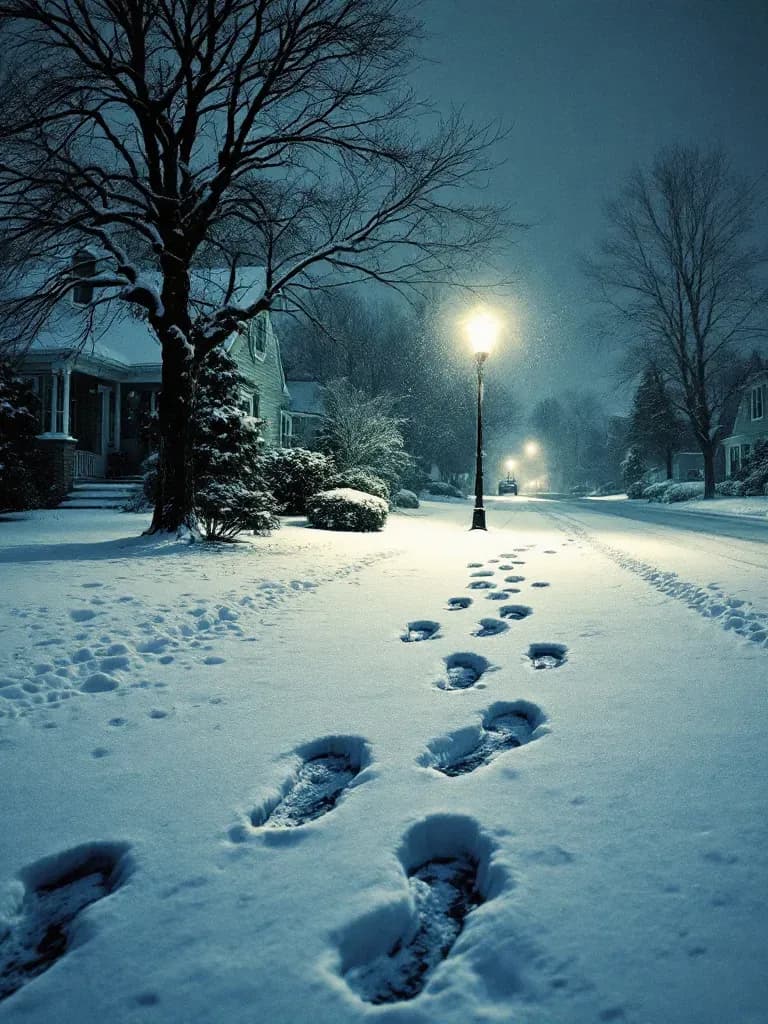
On the bitterly cold morning of January 29, 2022, John O'Keefe, a Boston Police Officer, was found unresponsive in the snow outside the Canton, Massachusetts home of fellow officer Brian Albert. He was later pronounced dead. His girlfriend, Karen Read — described in coverage as a former college educator — had been with him the previous evening. Prosecutors alleged that Read had backed her Lexus SUV into O'Keefe, striking him and leaving him to die in the freezing snow. She was subsequently charged with second-degree murder, motor-vehicle manslaughter, and leaving the scene of personal injury and death.
The defense, however, mounted an aggressive counter-narrative. According to reporting by the BBC and extensive trial coverage, Read's legal team argued that the evidence pointed not to a vehicle strike but to a law-enforcement cover-up — that O'Keefe had been killed inside the Albert home and that his body had been moved to the yard. Defense attorneys presented accident-reconstruction experts, including FBI-hired specialists, who testified that the physical evidence was inconsistent with someone having been struck by a car.
The case drew extraordinary public attention. Crowds gathered outside the courthouse, and online communities split into fierce factions — those convinced of Read's guilt and those who believed she was being framed by a corrupt network of officers protecting their own. TV Insider's deep-dive into the case backstory captures just how raw and divisive public sentiment became, with the phrase "Free Karen Read" becoming a rallying cry for one side and a symbol of obstruction for the other.
Read's first trial ended on July 1, 2024, when the jury deadlocked and a mistrial was declared. A retrial was ordered. Then, on June 18, 2025 — months after the documentary had already aired — the jury in the retrial found Karen Read not guilty on the murder-related charges. As reported by Thought Catalog following the verdict, she was found guilty only of the lesser charge of operating under the influence (OUI), and sentenced to one year of probation, outpatient treatment, loss of her driver's license, and participation in the Commonwealth's 24(d) program.
Production
The series was directed by Terry Dunn Meurer, a veteran of the true-crime documentary space, and is listed on IMDb under the title *A Body in the Snow: The Trial of Karen Read* (tt35663090) with a runtime of five episodes across one season. The production aired jointly on Investigation Discovery — a cable network with a long history of true-crime programming — and on HBO Max, reflecting the growing trend of high-profile docuseries receiving simultaneous linear and streaming releases to maximize reach.
What distinguishes the production is its timing: the documentary premiered on March 17, 2025, while the retrial of Karen Read was still pending. This made the series not just a recap of events already resolved, but an active intervention in an ongoing legal saga. The Hollywood Reporter's coverage of the series' key takeaways noted the degree to which the documentary foregrounds the cover-up theory, giving substantial screen time to the voices — family members, legal analysts, and community advocates — who believe that the prosecution of Karen Read was itself a miscarriage of justice.
The series draws on courtroom footage, news archives, expert interviews, and the kind of immersive scene reconstruction that has become a hallmark of premium true-crime documentary production. The decision to center the defense's law-enforcement-cover-up argument so prominently was, according to reviewers, both its greatest strength and the source of its most pointed criticism.
Reception
Critical and audience reception has been characteristically divided — mirroring the public divide over the case itself. Rotten Tomatoes lists the series with a release date of March 17, 2025, and reviews across platforms describe it as highly watchable but unavoidably partisan in its framing. Viewers who believe Karen Read was wrongly prosecuted praised the series for its thoroughness and its willingness to follow the cover-up theory wherever the evidence led. Critics of the series argued that it tilted too sympathetically toward the defense narrative without giving equal weight to the prosecution's evidence.
The political and legal sensitivity of the series was heightened by the fact that it aired while the retrial was still live — raising questions in some legal quarters about the potential influence of high-profile media coverage on jury pools and public discourse. These concerns are not unique to this case, but the Karen Read trial's extraordinary public profile made them unusually acute.
The IMDb page for the series (tt35663090) documents audience engagement, though a verified aggregate rating was not available at the time of publication. By any measure, however, the series functioned as one of the most-discussed true-crime documentary releases of early 2025, generating sustained coverage from national outlets including BBC, Hollywood Reporter, TV Insider, and Boston-area media.
The Case Today
With the June 18, 2025 verdict now on the books, Karen Read walks free of the murder charges that defined three years of her life. She was acquitted of second-degree murder, motor-vehicle manslaughter, and leaving the scene of personal injury and death. Her only conviction — operating under the influence — carries the relatively limited penalties of probation, license loss, outpatient treatment, and enrollment in the Commonwealth's 24(d) program.
The verdict did not, however, close the broader questions the case raised. The defense's allegations of a law-enforcement cover-up were never adjudicated on their merits in a separate proceeding; they remain contested, unresolved, and deeply felt by a significant portion of the public. Whether any further investigation into the conduct of the officers allegedly involved will follow remains to be seen.
For viewers who watched A Body in the Snow when it premiered in March 2025, the June verdict gave the documentary an unexpected second life — transforming it from a chronicle of an unresolved case into, at least in the eyes of Read's supporters, a vindication. Whether the series influenced public opinion, or merely reflected it, is the kind of question that true-crime journalism will be grappling with long after the snow has melted.