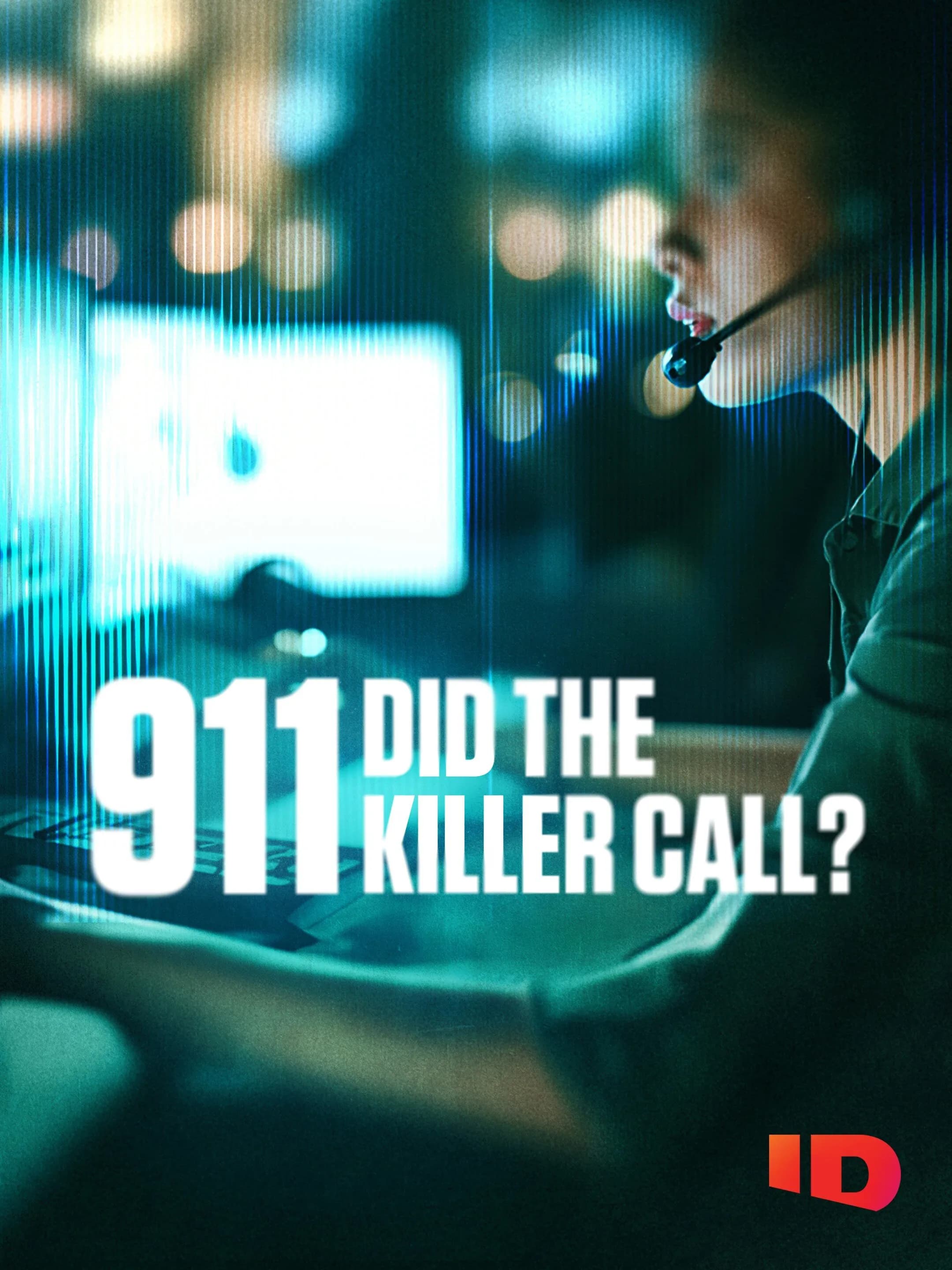
911: Did The Killer Call?
HBO Max / Investigation Discovery, 2025 — three homicide cases where the 911 caller became the prime suspect
Quick facts
What is the series about?
*911: Did The Killer Call?* is an Investigation Discovery true-crime documentary series that premiered on July 15, 2025, and is available to stream on HBO Max. The six-episode series — rated TV-14 and produced by Mike Warner — explores one of the darkest ironies in homicide investigation: cases in which the very person who dialed 911 to report a crime was later identified by detectives as the likely perpetrator. Each episode peels back the layers of a separate murder case, using the recorded 911 call itself as both the dramatic entry point and a key piece of forensic evidence.
The central thesis of the series is deceptively simple but forensically rich. When someone calls 911, investigators and juries tend to assume innocence — the caller is framing themselves as a victim or a witness, not a suspect. The series examines how detectives learned to listen differently: to pauses, word choices, emotional cadences, and factual inconsistencies buried inside those emergency calls. As promotional material on YouTube from Investigation Discovery makes clear, the 911 call is treated not merely as background context but as potential evidence of guilt.
The Cases
The series covers three distinct homicide investigations, each occupying a two-episode arc within the six-episode run. While the verified sources available at publication do not confirm the full legal names of all perpetrators and victims across every episode, the following case outlines are drawn from official platform descriptions and episode summaries.
Case One: The Wife Killed on the Line
In the first case, a wife is shot and killed while a 911 call is actively in progress. The call — heard by emergency dispatchers in real time — initially positions the surviving husband as a panicked witness to a domestic tragedy. As detectives examine the physical evidence alongside the audio of the call itself, however, a pattern of deception and betrayal begins to emerge. Investigators ultimately question whether the call was itself a performance designed to establish an alibi or a false narrative.
Case Two: The Husband Who Claimed a Home Invasion
The second case centers on a husband who is found shot in the leg and tells police that armed intruders broke into the family home. He calls 911 as an apparent victim of a violent home invasion. Detectives grow increasingly skeptical of his account, and the investigation pivots to examining whether the husband staged the scene and his own wound to divert suspicion. Episode descriptions sourced from Hulu's series listing and Apple TV's show page confirm this case as a core component of the series.
Case Three: The Daughter and the Gunmen
The third case involves a daughter who calls 911 to report that masked gunmen broke into the family home, tied her up, and shot her parents. The call appears straightforward — a terrified young woman reporting a violent home invasion. But investigators examining the physical evidence, the crime scene, and the details of the 911 call itself begin to find inconsistencies that shift the focus of the investigation. The episode examines the subsequent inquiry into the deaths and the questions that remain about the daughter's account.
A Reddit discussion on the r/JusticeForMolly subreddit references Episode 6 specifically, suggesting active viewer engagement with the cases presented, though user-generated commentary has not been used as a primary factual source for this article.
The Forensic Hook: 911 Calls as Evidence
One of the series' most compelling editorial threads is its examination of how law enforcement and prosecutors have increasingly used 911 recordings in court. Voice stress, unusual calm, selective detail, and factual errors that contradict the physical evidence have all been cited in real homicide trials as indicators of deception. The series illustrates how dispatchers, detectives, and forensic audio analysts work together to reconstruct not just what happened at a crime scene, but what a caller's words and tone reveal about their state of mind — and their possible guilt.
This forensic angle distinguishes 911: Did The Killer Call? from standard true-crime documentary fare. Rather than focusing primarily on DNA, eyewitnesses, or confession evidence, it places the 911 call at the center of the investigative narrative, treating the voice on the recording as both witness and potential suspect.
Production
The series is produced by Mike Warner, as listed on the HBO Max title page. It is an Investigation Discovery production, the network that has built its brand around in-depth true-crime documentary storytelling. No director is publicly credited in the currently available verified sources. The series carries a TV-14 rating on HBO Max, indicating content suitable for viewers 14 and older but containing material — including descriptions of violence and crime scene details — that may not be appropriate for younger audiences.
A second promotional clip from Investigation Discovery's YouTube channel, available here, provides additional glimpses of the production style, which appears to blend archival 911 audio, dramatic reconstruction, and interviews with investigators and family members — a format well-established in Investigation Discovery's documentary catalog.
The series' IMDb title page (tt37724480) confirms the July 15, 2025 U.S. release date and the six-episode episode count.
Reception
At the time of publication, no verified professional critical reviews or aggregate audience scores from Rotten Tomatoes, Metacritic, or similar outlets have been confirmed in available sources. An IMDb user rating is listed on the title page but was not included in the verified data provided for this article and cannot be responsibly quoted without confirmation.
Viewer discussion has been active on Reddit, with threads appearing in multiple subreddits — including communities dedicated to other true-crime cases — where users compare the investigative methods depicted in the series to cases they are already following. This cross-case discussion suggests the series is reaching an engaged true-crime audience beyond viewers unfamiliar with the genre.
No controversies, legal challenges, or editorial disputes related to the series have been verified in available sources at the time of writing.
The Cases Today
Because the verified sources available for this article do not confirm the full legal identities of all perpetrators, victims, and final verdicts across all three cases, the current legal status of each underlying investigation cannot be reported with full confidence at this time. What is confirmed is that the series presents these as resolved or substantially advanced investigations — cases in which detectives moved from the initial 911 call to a named suspect — rather than cold cases or ongoing open investigations.
As additional episode-level reporting and verified case documentation becomes available, this article will be updated to reflect confirmed names, verdicts, and sentencing details for each of the three homicide cases at the heart of 911: Did The Killer Call?
The series is currently available to stream via JustWatch-tracked platforms, including HBO Max, Hulu, and Apple TV.