America's Silent Mass Disaster: 40,000 Unidentified Bodies
How systemic failures in US law enforcement leave tens of thousands of human remains in limbo
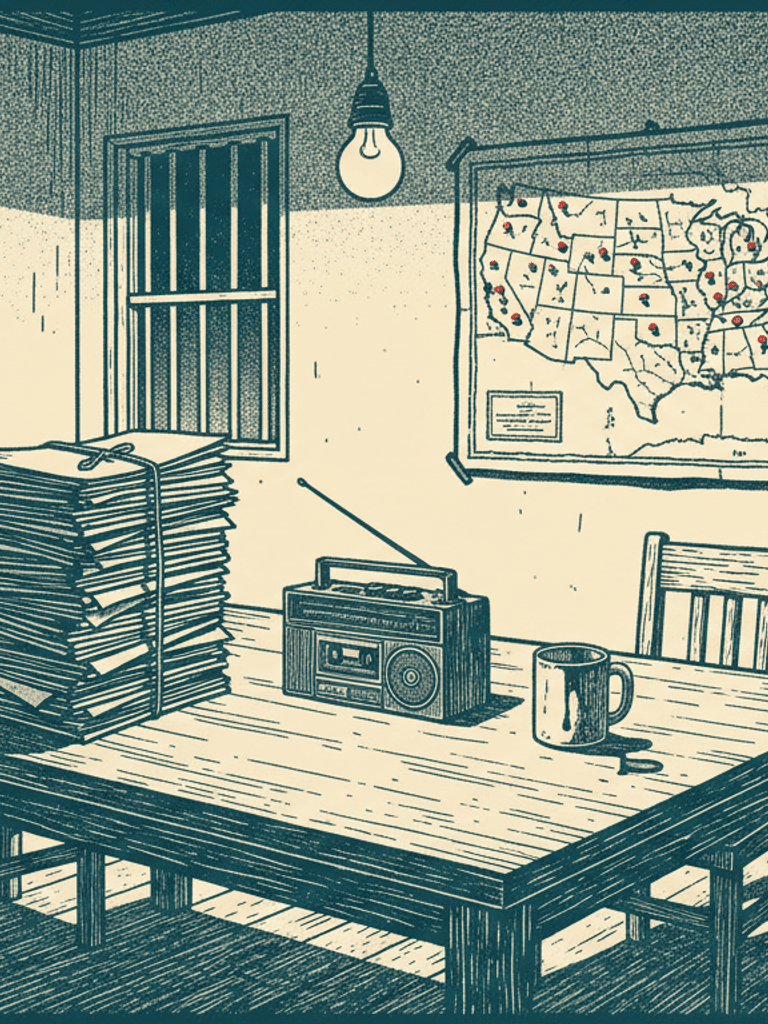
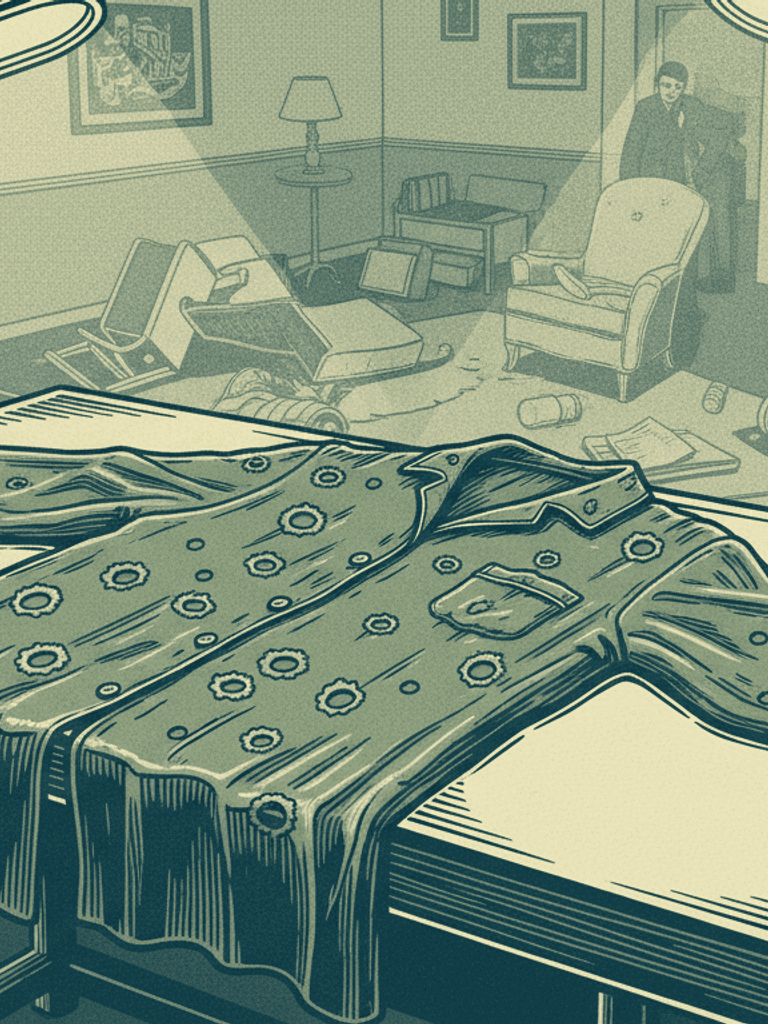
More than 40,000 sets of human remains cannot be identified through conventional means and are held in evidence rooms of medical examiners throughout the United States. The U.S. Department of Justice and the National Institute of Justice have described this accumulation as a 'silent disaster'—a crisis largely invisible to the public but devastating to families searching for missing loved ones.
The scale of the problem extends beyond unidentified remains. On any given day, approximately 100,000 active missing persons cases exist in the United States. Between 2007 and 2020, an average of 664,776 missing persons records were entered annually into the FBI's National Crime Information Center (NCIC), the federal database intended to coordinate investigations across state and local jurisdictions.
Yet most unidentified remains cases never reach federal databases. Only 6,000 of the roughly 40,000 unidentified remains—approximately 15 percent—have been entered into the FBI's NCIC database. A 2018 Census of Medical Examiners and Coroners documented over 11,000 sets of unidentified human remains held in offices throughout the country, suggesting the actual number may fluctuate depending on methodologies used in different jurisdictions.
The fragmentation reflects a fundamental structural problem in American law enforcement. The United States has approximately 17,000 law enforcement agencies operating across federal, state, and local levels. Many remain unaware of critical resources available to them: state missing persons clearinghouses and federal databases including NCIC, CODIS (DNA), IAFIS (fingerprints), and ViCAP (violent crime patterns).
When a body is discovered, responsibility typically falls to local medical examiners or coroners. Without knowledge of or access to comprehensive databases, investigators cannot efficiently cross-reference remains against missing persons reports from other jurisdictions. A unidentified body in rural Montana may share characteristics with a missing person reported in Florida, yet the two cases never intersect in any searchable system.
The problem compounds over time. As unidentified remains accumulate in evidence storage, they consume physical space and resources. More critically, the longer cases remain unsolved, the colder the investigative trail becomes. Families of missing persons face years or decades without answers, unable to grieve, claim insurance, or move forward with their lives.
Advanced forensic tools exist that could help resolve many cases: DNA analysis, facial reconstruction, genealogy databases, and fingerprint matching technologies. Yet these tools remain underutilized. Budget constraints, lack of training, and disconnected databases mean that remains sitting in one jurisdiction's evidence room may never be systematically compared against missing persons data in another.
The 2018 Census data and subsequent tracking reveal the persistence of the crisis. While exact current figures remain difficult to pin down due to inconsistent reporting across jurisdictions, the numbers have remained stubbornly high. In 2024, the NCIC listed 861 unidentified person files—a fraction of the estimated 40,000 actual cases.
Solving America's unidentified remains crisis requires systemic change: mandatory entry of unidentified remains into federal databases, increased funding for DNA analysis and genealogy investigations, training for law enforcement on available resources, and better coordination between local medical examiners and federal agencies. Until these changes occur, thousands of families will continue searching for answers while the remains of their loved ones languish unidentified in evidence rooms across the nation.
**Sources** https://nij.ojp.gov/topics/articles/missing-persons-and-unidentified-remains-nations-silent-mass-disaster https://www.statista.com/statistics/240406/unidentified-person-files-in-the-us-since-1990/ https://namus.nij.ojp.gov/