True crime news logo
  • News

Sign up for our newsletter and get the latest stories

Never miss the latest true crime news, reviews and top lists — plus new podcasts, series, films and books.

You can unsubscribe with one click from any email.

True crime news logo

The international true crime destination. Cases, documentaries, podcasts and travel routes.

© 2026 truecrime.news. All rights reserved.

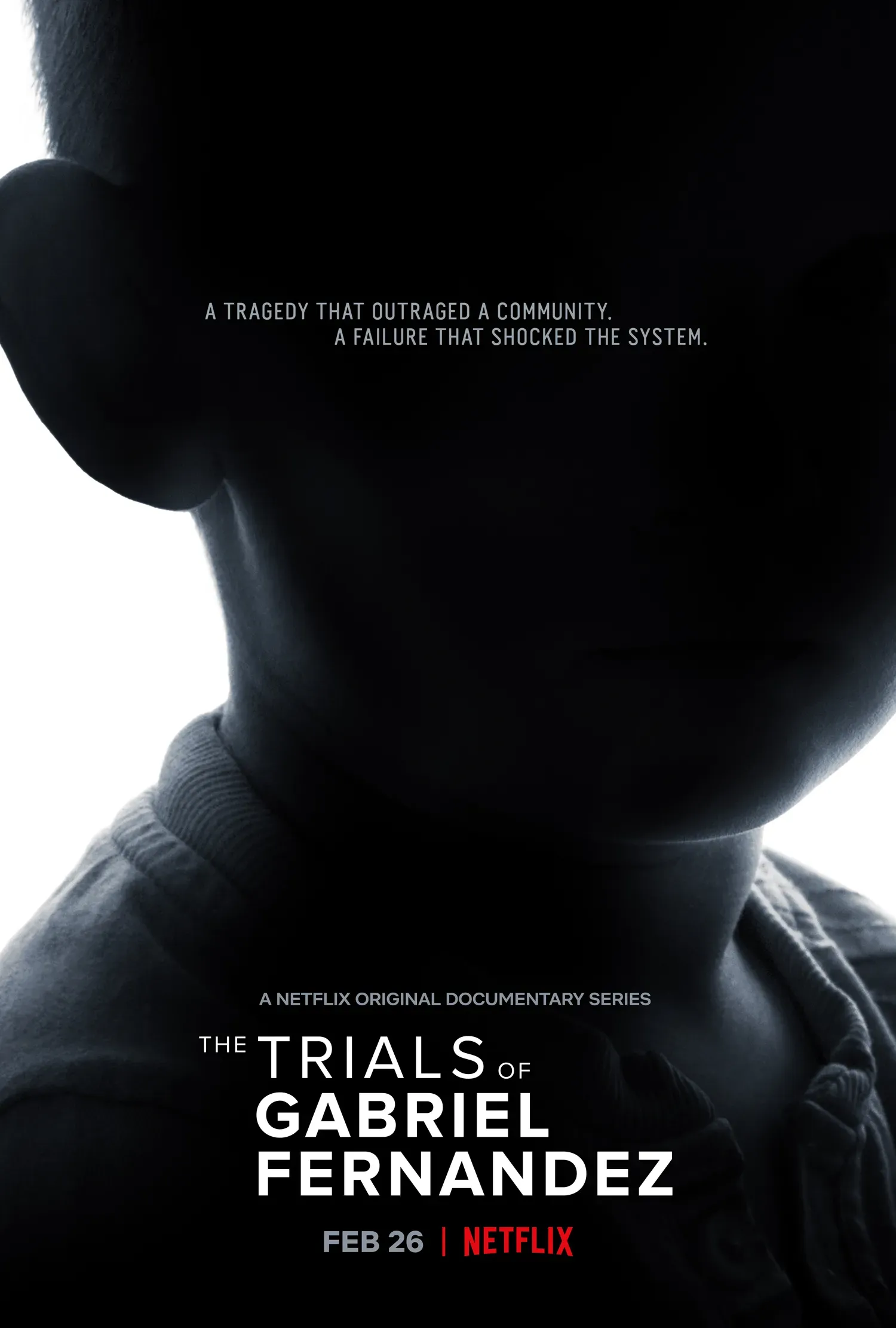
The Trials of Gabriel Fernandez challenges child protection

Netflix Documentary Exposes Child Protection Failure in California

The Gabriel Fernandez case reveals systemic breakdowns across six missed investigations—a pattern familiar to Nordic child welfare experts

Published
May 26, 2025 at 10:00 PM

In May 2013, an eight-year-old boy named Gabriel Fernandez died in Palmdale, California, after suffering systematic abuse and severe neglect. His injuries—a crushed skull, three broken ribs, extensive burns and bruising, airgun pellets lodged in his lungs, and missing teeth—painted a horrifying portrait of violence. What made the death even more shocking was that it was entirely preventable.

Netflix's six-part documentary series "The Trials of Gabriel Fernandez," released in February 2020, meticulously reconstructs how the Los Angeles County Department of Children and Family Services (DCFS) conducted six separate investigations into allegations of abuse before the boy's death—yet failed to act on any of them.

**Warnings Ignored Across Multiple Agencies**

Gabriel's teacher reported suspicions of abuse to the county's child protection hotline. His grandmother and aunt repeatedly raised concerns with authorities. Despite these multiple reports from family and mandatory reporters—people legally required to flag suspected child abuse—the system failed to intervene effectively. One crucial report of abuse was never properly investigated and remained unresolved when Gabriel died.

For international observers familiar with child protection debates in Scandinavia and elsewhere, the case demonstrates a pattern that transcends borders: the gap between detecting risk and acting decisively. While Nordic countries pride themselves on robust welfare systems, such cases internationally underscore how bureaucratic inertia, understaffing, and communication breakdowns can conspire to lethal effect.

**The Hollow Accountability**

The documentary does not shy away from the legal aftermath. Prosecutor Jonathan Hatami pursued charges against the social workers responsible for Gabriel's case—a rare step in U.S. child protection litigation, where social workers are typically granted broad immunity. However, in a move that deepened public frustration, California's Second District Court of Appeal overturned the charges against the social workers, ruling that they lacked a legal duty to prevent the abuse or remove Gabriel from his home.
The appellate decision underscored a fundamental legal protection for child welfare officials in the U.S. system: they cannot be held criminally liable for failure to intervene, even in cases of documented neglect. This stands in contrast to some international jurisdictions where institutional negligence carries heavier legal consequences.

**Structural Breakdown**

The series examines the broader systemic problems that allowed Gabriel's abuse to continue. The documentary reveals how both individual caseworker decisions and institutional shortcomings contributed to the tragedy. Gabriel lived with his mother's partner, who inflicted most of the abuse, yet despite multiple red flags being raised simultaneously across different agencies, no coordinated protective action was taken.

For international viewers, the case raises uncomfortable questions about how child protection systems function under resource constraints. The DCFS was managing overwhelming caseloads, yet this reality does not excuse the systematic failure to follow up on known reports of abuse.

**Broader Implications**

Directed and produced by the team behind "Nobody Speak: Trials of the Free Press," the documentary brings a critical investigative lens to institutional failure. In an era when child protection systems across democracies face similar pressures—staff shortages, fragmented information systems, and bureaucratic friction—Gabriel Fernandez's story has become a case study in what happens when those systems break down entirely.

The series has sparked renewed debate in the United States about social worker accountability, caseworker training, and whether the legal immunity granted to child protection agencies serves public safety or enables negligence. For Scandinavian and European audiences, it offers a cautionary tale about the dangers of assuming that systems, however well-intentioned, automatically protect vulnerable children without constant vigilance and accountability.

Read more

A figure resembling Casey Anthony stands in an Orlando nightclub, surrounded by partygoers, with her expression detached and indifferent amidst the crowd's enthusiasm.
Case

Caylee Anthony: The Toddler Case That Divided America

Crime Story delves into justice's shadows
Podcast

Crime Story delves into justice's shadows

Our Father exposes the depths of fertility fraud
Film

Our Father: How a Doctor's Fertility Fraud Fooled Hundreds

Related Content
A figure resembling Casey Anthony stands in an Orlando nightclub, surrounded by partygoers, with her expression detached and indifferent amidst the crowd's enthusiasm.

Caylee Anthony: The Toddler Case That Divided America

Crime Story delves into justice's shadows

Crime Story delves into justice's shadows

Our Father exposes the depths of fertility fraud

Our Father: How a Doctor's Fertility Fraud Fooled Hundreds

Root of Evil unveils the Hodel family's dark past

The Hodel Dynasty: Secrets, Abuse, and the Black Dahlia

Advertisement
SS

Susanne Sperling

View all stories →
Share this post: