
True crime news logo
  • News

Sign up for our newsletter and get the latest stories

Never miss the latest true crime news, reviews and top lists — plus new podcasts, series, films and books.

You can unsubscribe with one click from any email.

True crime news logo

The international true crime destination. Cases, documentaries, podcasts and travel routes.

© 2026 truecrime.news. All rights reserved.

Making Manson reveals mechanisms of manipulation

How Charles Manson Manipulated Followers Into Murder

The cult leader's death in 2017 sparked renewed analysis of the psychological mechanisms he used to control his 'family' and orchestrate killings

Published
May 26, 2025 at 10:00 PM

Charles Manson died on November 19, 2017, at age 83, bringing renewed scrutiny to one of the most disturbing cases of cult-driven violence in modern history. Analysis published shortly after his death focused on the psychological mechanisms that allowed a failed musician and career criminal to transform vulnerable young people into devoted murderers.

Manson's effectiveness as a manipulator lay in his ability to identify and exploit psychological vulnerabilities. He specifically targeted castoffs from society—homeless individuals, lost young people, and particularly young women—who were searching for meaning and belonging. These recruits were often intelligent and well-educated, yet psychologically vulnerable to his messaging.

Central to Manson's control was his cultivation of a messianic persona. He portrayed himself as a visionary leader with answers to the world's problems, promising his followers elite status and salvation through their devotion to him. This appeal to both spiritual transcendence and social superiority created a powerful psychological bond between Manson and his "family."

Manson's charisma formed the foundation of his coercive control. His followers came to see him as all-powerful and infallible, while simultaneously viewing themselves as members of a superior group destined for greatness. This dynamic reinforced their isolation from mainstream society and deepened their psychological dependency on him.

Drug use played a crucial role in maintaining control. By facilitating altered states of consciousness, Manson created an existence within the "family" where normal societal rules and moral boundaries dissolved. In this drug-induced environment, followers became disconnected from conventional ethics and more susceptible to his instructions.

Manson's ideology centered on "Helter Skelter," a rambling, incoherent vision of an impending race war that would elevate him to world leadership. Despite its illogical nature, this apocalyptic worldview captivated his followers, offering them a narrative in which their actions held cosmic significance. Murders became acts of ultimate loyalty, reinforcing their identity as members of Manson's revolutionary movement.

Another psychological factor was what researchers identify as optimism bias among his followers. They were predisposed to look on the bright side and to seek a visionary messiah with a powerful message. This cognitive tendency made them susceptible to Manson's promises of transformation and special status.

Crucially, Manson orchestrated murders without being physically present at the scenes. His followers committed violent acts in his absence, a testament to the depth of psychological control he had established. They acted as extensions of his will, internalizing his instructions and executing them with deadly precision.

The Manson family crimes represent a dark case study in how charismatic individuals can exploit psychological vulnerabilities, utilize altered states, and weaponize ideology to transform ordinary people into perpetrators of violence. The mechanisms Manson employed—combining charisma, drug use, apocalyptic thinking, and strategic targeting of vulnerable individuals—created a feedback loop that normalized violence within the group.

Manson's death ended one chapter, but the case remains a vital reference point for understanding cult dynamics, coercive control, and the psychological architecture of manipulation that can lead to murder.

**Sources**

https://salford-repository.worktribe.com/output/1384357/how-cult-leader-charles-manson-was-able-to-manipulate-his-family-to-commit-murder

https://www.salon.com/2017/11/25/how-cult-leader-charles-manson-was-able-to-manipulate-his-family-to-commit-murder_partner/

https://www.youtube.com/watch?v=uBX8DDSU1NA

https://laghosttour.com/inside-the-manson-family-manipulation-control-and-tragedy/

Read more

Root of Evil unveils the Hodel family's dark past
Podcast

The Hodel Dynasty: Secrets, Abuse, and the Black Dahlia

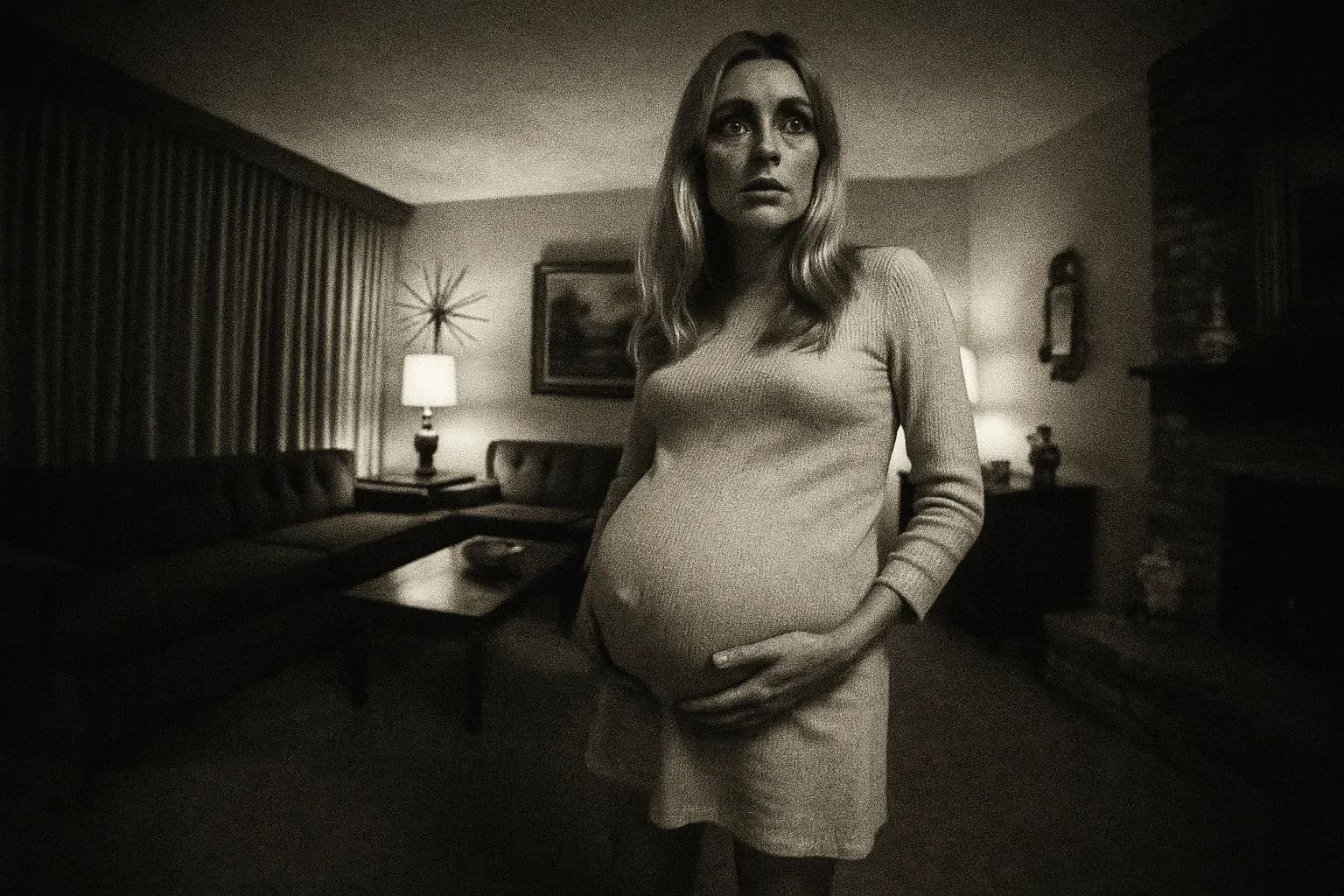
A figure resembling Sharon Tate stands in a 1960s Hollywood living room, visibly pregnant, surrounded by vintage décor, with a foreboding tension in the air.
Case

Sharon Tate: Hollywood's Rising Star Murdered by Manson Cult

Young Charlie: exploring the roots of evil
Podcast

Young Charlie: Wondery's Deep Dive Into Manson's Path to Evil

Related Content
Root of Evil unveils the Hodel family's dark past

The Hodel Dynasty: Secrets, Abuse, and the Black Dahlia

A figure resembling Sharon Tate stands in a 1960s Hollywood living room, visibly pregnant, surrounded by vintage décor, with a foreboding tension in the air.

Sharon Tate: Hollywood's Rising Star Murdered by Manson Cult

Young Charlie: exploring the roots of evil

Young Charlie: Wondery's Deep Dive Into Manson's Path to Evil

A weathered, wooden barrel half-buried in dense New Hampshire forest foliage, signifying the hidden evidence that eventually exposed serial killer Terry Peder Rasmussen through DNA analysis.

Bear Brook Murders: From Barrels to Serial Killer

Advertisement
SS

Susanne Sperling

View all stories →
Share this post: