True crime news logo
  • News
True crime news logo

The international true crime destination. Cases, documentaries, podcasts and travel routes.

© 2026 truecrime.news. All rights reserved.

Der Menschenjäger – Wie die NDR-Doku den Göhrde-Mord aufklärte

21 Years Later: DNA Database Solved Göhrde Murders

Genealogical DNA matching finally identified the killer of four forest parking lot victims

Director/Producer
Tom Ockers
Published
May 8, 2026 at 01:20 PM

Quick Facts

LocationGöhrde-Region, Waldparkplätze, Niedersachsen
PerpetratorKlaus Otto Bräunig, born 1957
Victims4 people, 1986–1989
Crime scenesForest parking areas, Göhrde, Lower Saxony
Investigation1986–2020, 21 years

Shots in the Dark

In September 1986, Brunon Prokopic, 42, was found shot at a remote forest parking area near Rullstorf in Lower Saxony. A week later, Dutch tourist Marijke Claassens, 34, was killed at the Hohenzollernring parking lot. Three years later, in the summer of 1989, more victims emerged: Ingeborg B. and Heinrich K., both 62, were discovered under similar circumstances.

All four were surprised and shot by an unknown perpetrator. All crime scenes were located at desolate forest parking areas in the Göhrde region between Lower Saxony and Mecklenburg-Vorpommern.

The award-winning NDR documentary series "Manhunt" recounts not only the brutal facts, but also the psychological toll the case placed on investigators. Criminal police officer Uwe Müller from Lower Saxony's state crime bureau remained stuck without leads for decades — until technology changed the rules.

700,000 DNA Samples Without Results

Between 1994 and 2001, authorities launched a massive DNA screening program: 700,000 saliva samples were taken from men across northern Germany — approximately ten percent of the entire male population in the 18–45 age group. The project cost 20 million Deutsche Mark, an enormous sum at the time. Yet the perpetrator was not among them.

The years became a nightmare for the victims' families. No answers. No justice. Forensic pathologists like Volker Stockhe explained in the documentary which technical limitations made it impossible to do more back then. It was not a lack of will — it was a lack of tools.

This phase demonstrates exactly what separates quality true crime documentary journalism from sensationalism: the focus on the people behind the uniforms and their human frustration, not merely the details.

Genomics Made It Possible

The breakthrough did not come from classical police work. It came from genealogical DNA matching. In 2018, biotechnology companies in California began comparing DNA profiles against family trees in databases like GEDmatch. The same method had recently led to the arrest of serial killer the Golden State Killer.

German investigators gained access to these databases and found a family connection. It pointed to Klaus Otto Bräunig, 62, a bordello attendant from Hamburg's Reeperbahn district. On June 23, 2020, he was arrested. DNA analysis confirmed it: here was the man police had searched for 21 years.

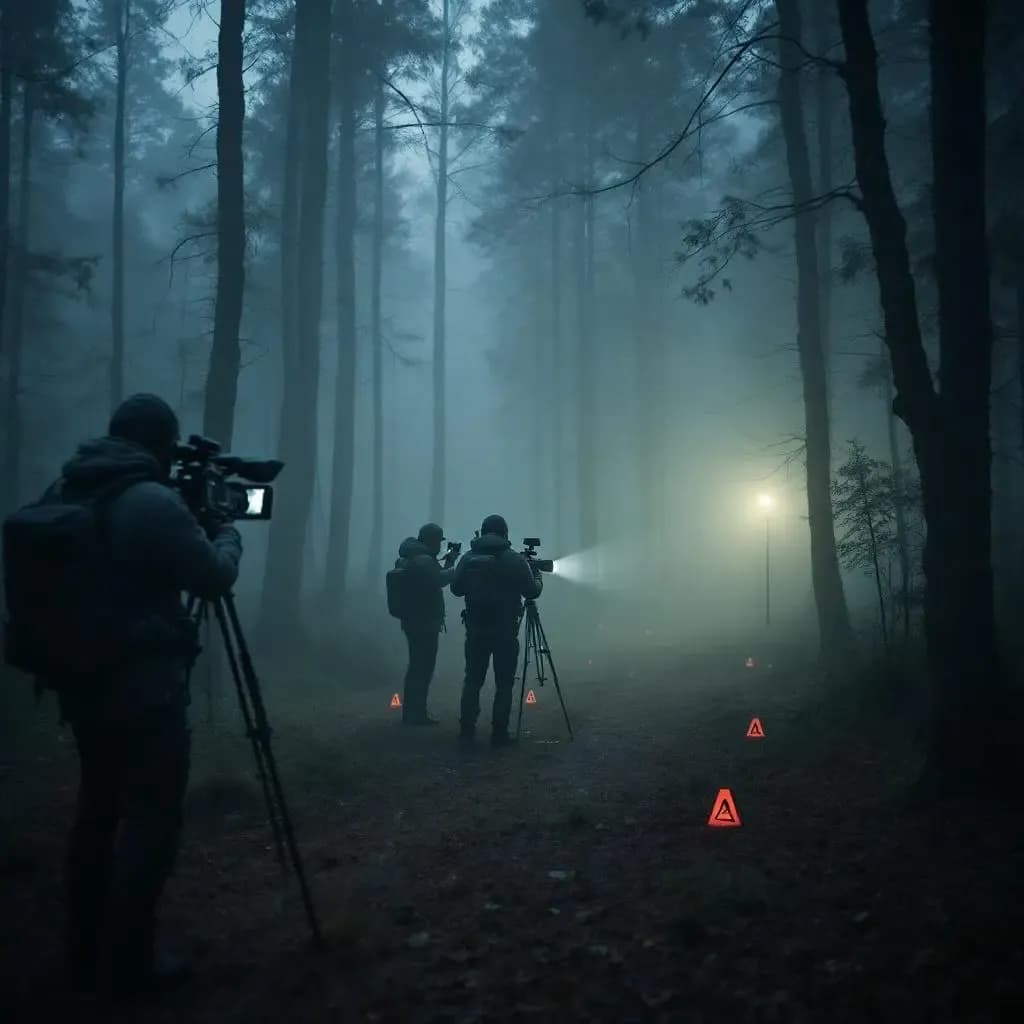
Director Tom Ockers and the NDR team combined reconstructions — all based on case files, not speculation — with interviews of investigators, victim advocates, and Bräunig's neighbors. Original photographs from police archives, animations of events, and witness statements were woven together into a narrative that draws viewers into the investigation's logic.

"The Greatest Solved Case in German Criminal History"

On December 14, 2021, Lüneburg Regional Court sentenced Klaus Otto Bräunig to life imprisonment for four murders. He denied it to the end: "I did not do it." Germany's Federal Constitutional Court rejected his appeal in 2022.

Prosecutor Uwe Müller later stated that the case was "the greatest solved case in German criminal history." The documentary series reached millions of viewers worldwide and became regarded as a manual in modern DNA forensics — not classical police work, but biology had prevailed.

Critics have argued that the reconstructions can seem sensationalized. However, this sparks a different discussion: dramatic storytelling can make complex investigations accessible in ways that purely factual reports cannot.

A Testament to German Journalism

Today, two years after its premiere, "Manhunt" has taken on new significance. It demonstrates how a society handles unsolved murders, how technology enables justice, and how vital persistent work is in investigation.

The nomination for the 2025 Grimme Prize in the "Television – Information" category confirms that this was not about sensation-seeking, but about responsible journalism. "Manhunt" has become a classic title in true crime documentary journalism — an example of how to report on crimes without manipulation, and still fascinate.

Klaus Otto Bräunig's name is now forgotten by the public. While his victims' families can finally seek peace.
Watch on NDR
Related Content
Firebørn dræbt af fremmed mand i schweizisk horrornagt

Swiss Home Invasion: The Rupperswil Murders and Europe's Largest Manhunt

Utah-mor dømt for mord på mand — udgav sorgebog til børn

Utah Mother Convicted of Poisoning Husband with Fentanyl

Ugens true crime guide uge 19 2026 — journalist desk med mikrofon, headphones og krimidokumentation

No Verified True Crime Events Found for May 4–10, 2026

Advertisement
SS

Susanne Sperling

View all stories →
Share this post:
Der Menschenjäger – Wie die NDR-Doku den Göhrde-Mord aufklärte

21 Years Later: DNA Database Solved Göhrde Murders

Genealogical DNA matching finally identified the killer of four forest parking lot victims

Director/Producer
Tom Ockers
Published
May 8, 2026 at 01:20 PM

Quick Facts

LocationGöhrde-Region, Waldparkplätze, Niedersachsen
PerpetratorKlaus Otto Bräunig, born 1957
Victims4 people, 1986–1989
Crime scenesForest parking areas, Göhrde, Lower Saxony
Investigation1986–2020, 21 years

Shots in the Dark

In September 1986, Brunon Prokopic, 42, was found shot at a remote forest parking area near Rullstorf in Lower Saxony. A week later, Dutch tourist Marijke Claassens, 34, was killed at the Hohenzollernring parking lot. Three years later, in the summer of 1989, more victims emerged: Ingeborg B. and Heinrich K., both 62, were discovered under similar circumstances.

All four were surprised and shot by an unknown perpetrator. All crime scenes were located at desolate forest parking areas in the Göhrde region between Lower Saxony and Mecklenburg-Vorpommern.

The award-winning NDR documentary series "Manhunt" recounts not only the brutal facts, but also the psychological toll the case placed on investigators. Criminal police officer Uwe Müller from Lower Saxony's state crime bureau remained stuck without leads for decades — until technology changed the rules.

700,000 DNA Samples Without Results

Between 1994 and 2001, authorities launched a massive DNA screening program: 700,000 saliva samples were taken from men across northern Germany — approximately ten percent of the entire male population in the 18–45 age group. The project cost 20 million Deutsche Mark, an enormous sum at the time. Yet the perpetrator was not among them.

The years became a nightmare for the victims' families. No answers. No justice. Forensic pathologists like Volker Stockhe explained in the documentary which technical limitations made it impossible to do more back then. It was not a lack of will — it was a lack of tools.

This phase demonstrates exactly what separates quality true crime documentary journalism from sensationalism: the focus on the people behind the uniforms and their human frustration, not merely the details.

Genomics Made It Possible

The breakthrough did not come from classical police work. It came from genealogical DNA matching. In 2018, biotechnology companies in California began comparing DNA profiles against family trees in databases like GEDmatch. The same method had recently led to the arrest of serial killer the Golden State Killer.

German investigators gained access to these databases and found a family connection. It pointed to Klaus Otto Bräunig, 62, a bordello attendant from Hamburg's Reeperbahn district. On June 23, 2020, he was arrested. DNA analysis confirmed it: here was the man police had searched for 21 years.

Director Tom Ockers and the NDR team combined reconstructions — all based on case files, not speculation — with interviews of investigators, victim advocates, and Bräunig's neighbors. Original photographs from police archives, animations of events, and witness statements were woven together into a narrative that draws viewers into the investigation's logic.

"The Greatest Solved Case in German Criminal History"

On December 14, 2021, Lüneburg Regional Court sentenced Klaus Otto Bräunig to life imprisonment for four murders. He denied it to the end: "I did not do it." Germany's Federal Constitutional Court rejected his appeal in 2022.

Prosecutor Uwe Müller later stated that the case was "the greatest solved case in German criminal history." The documentary series reached millions of viewers worldwide and became regarded as a manual in modern DNA forensics — not classical police work, but biology had prevailed.

Critics have argued that the reconstructions can seem sensationalized. However, this sparks a different discussion: dramatic storytelling can make complex investigations accessible in ways that purely factual reports cannot.

A Testament to German Journalism

Today, two years after its premiere, "Manhunt" has taken on new significance. It demonstrates how a society handles unsolved murders, how technology enables justice, and how vital persistent work is in investigation.

The nomination for the 2025 Grimme Prize in the "Television – Information" category confirms that this was not about sensation-seeking, but about responsible journalism. "Manhunt" has become a classic title in true crime documentary journalism — an example of how to report on crimes without manipulation, and still fascinate.

Klaus Otto Bräunig's name is now forgotten by the public. While his victims' families can finally seek peace.

Watch on NDR
Related Content
Firebørn dræbt af fremmed mand i schweizisk horrornagt

Swiss Home Invasion: The Rupperswil Murders and Europe's Largest Manhunt

Utah-mor dømt for mord på mand — udgav sorgebog til børn

Utah Mother Convicted of Poisoning Husband with Fentanyl

Ugens true crime guide uge 19 2026 — journalist desk med mikrofon, headphones og krimidokumentation

No Verified True Crime Events Found for May 4–10, 2026

Advertisement
SS

Susanne Sperling

View all stories →
Share this post: