KrimiNyt Logo - White
  • Podcasts Movies & Series Books Top lists
KrimiNyt Logo - White

Components made easy. This cool starter template will help you get started with your next project.

© 2026 Company Name. All rights reserved.

Powered by Nerdic

    The Anatomy of Evil

    The Anatomy of Evil

    Author
    Susanne Sperling
    Published
    May 26, 2025 at 10:00 PM

    Disturbing questions about the nature of evil in the documentary

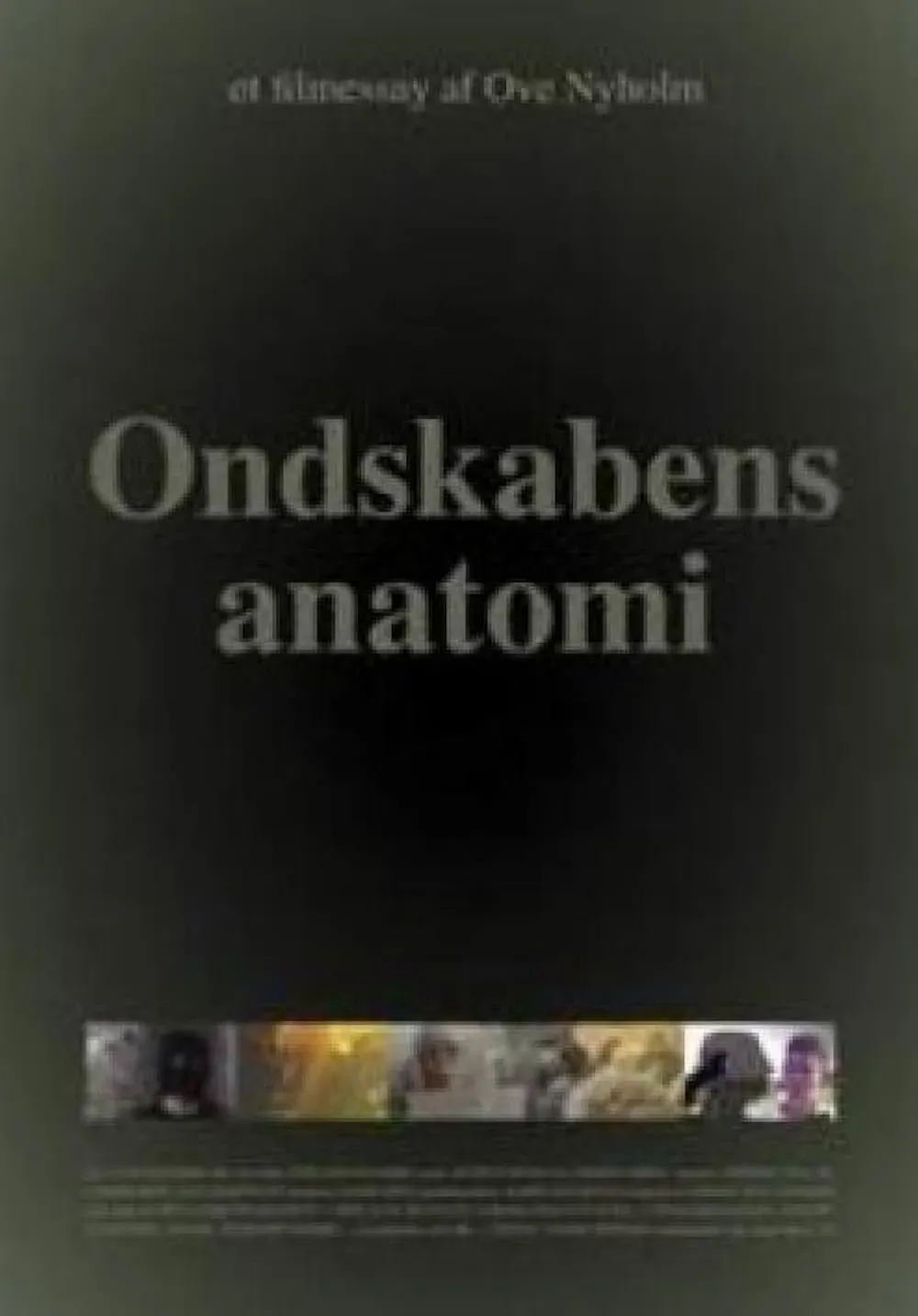
    How can a former SS officer describe his involvement in mass executions as a mundane task, or a Serbian paramilitary view his first kill as 'losing his virginity'? The documentary 'The Anatomy of Evil', directed by Ove Nyholm and released in 2005, seeks to explore these unsettling questions by delving into the psychology of genocide. Through interviews with war criminals from both the Balkan Wars and World War II, the film presents a chilling combination of personal accounts and archival footage, prompting reflections on the nature of evil. This 93-minute production, a collaboration between Digital Film and several Scandinavian TV channels, is available on the Danish Film Institute's archive services and features interviews in multiple languages, including Serbo-Croatian and German, with Danish subtitles.

    Criticism and admiration: the film's ethical approach to war crimes

    The film manages to evoke both admiration and criticism with its uncompromising approach to ethically complex topics like war crimes and genocide. The interviews with war criminals are sharply edited, complemented by photographers Dan Holmberg and Dirk Brüel, who use static shots and somber lighting to support the documentary's heavy, psychological themes. Editing by Ghita Beckendorff creates a coherent narrative that consistently explores themes like racial bias and the breakdown of morality under pressure. Criticism has particularly focused on the film's treatment of empathy—while some see it as a controversial neglect of victims' perspectives, others highlight the necessary understanding of the human elements behind evil as a crucial step towards demystifying wickedness.

    The documentary's academic impact and contemporary relevance

    'The Anatomy of Evil' has had significant academic influence, especially within studies of war crimes and collective guilt. By focusing on war criminals rather than victims, the documentary challenges the common perception of war criminals as one-dimensional monstrosities. The film's impact extends beyond the film world, as it continues to influence discussions about humanity's darker sides, such as psychopathy in wartime. The renewed interest in the wake of contemporary conflicts, like the Russian invasion of Ukraine in 2022, makes the film a cautionary reminder of how ordinary individuals can be led down extreme paths—a mirror that forces us to confront whether evil is an exception or merely a part of the human condition.

    Watch 'Ondskabens Anatomi' on the Danish Film Institute's archive services dfi.dk and follow Crime News for more in-depth true-crime analysis.

    Quick Facts

    TranscriptNot Available
    Verified PurchaseNo
    SubtitlesNot Available
    Show more details
    VerifiedUnverified
    Related Content
    Mørkeland podcast episode 300 om bankrøveri på Østerbro og en kvindelig flugtfange

    Mørkeland Episode 300: Bankrøveri i Østerbro og flugtfange på tynd is

    Mørkeland podcast episode 300 om bankrøveri på Østerbro og en kvindelig flugtfange

    Mørkeland Episode 300: Bankrøveri i Østerbro og flugtfange på tynd is

    Stakeknife — episode 2 — Freddie Scappaticci and the IRA conflict in Northern Ireland

    Stakeknife: Freddie Scappaticci and the British Army's most controversial informant

    Stakeknife — episode 2 — Freddie Scappaticci and the IRA conflict in Northern Ireland

    Stakeknife: Freddie Scappaticci and the British Army's most controversial informant

    Advertisement

    Susanne Sperling

    Admin

    Share this post:
    The Anatomy of Evil

    The Anatomy of Evil

    Author
    Susanne Sperling
    Published
    May 26, 2025 at 10:00 PM

    Disturbing questions about the nature of evil in the documentary

    How can a former SS officer describe his involvement in mass executions as a mundane task, or a Serbian paramilitary view his first kill as 'losing his virginity'? The documentary 'The Anatomy of Evil', directed by Ove Nyholm and released in 2005, seeks to explore these unsettling questions by delving into the psychology of genocide. Through interviews with war criminals from both the Balkan Wars and World War II, the film presents a chilling combination of personal accounts and archival footage, prompting reflections on the nature of evil. This 93-minute production, a collaboration between Digital Film and several Scandinavian TV channels, is available on the Danish Film Institute's archive services and features interviews in multiple languages, including Serbo-Croatian and German, with Danish subtitles.

    Criticism and admiration: the film's ethical approach to war crimes

    The film manages to evoke both admiration and criticism with its uncompromising approach to ethically complex topics like war crimes and genocide. The interviews with war criminals are sharply edited, complemented by photographers Dan Holmberg and Dirk Brüel, who use static shots and somber lighting to support the documentary's heavy, psychological themes. Editing by Ghita Beckendorff creates a coherent narrative that consistently explores themes like racial bias and the breakdown of morality under pressure. Criticism has particularly focused on the film's treatment of empathy—while some see it as a controversial neglect of victims' perspectives, others highlight the necessary understanding of the human elements behind evil as a crucial step towards demystifying wickedness.

    The documentary's academic impact and contemporary relevance

    'The Anatomy of Evil' has had significant academic influence, especially within studies of war crimes and collective guilt. By focusing on war criminals rather than victims, the documentary challenges the common perception of war criminals as one-dimensional monstrosities. The film's impact extends beyond the film world, as it continues to influence discussions about humanity's darker sides, such as psychopathy in wartime. The renewed interest in the wake of contemporary conflicts, like the Russian invasion of Ukraine in 2022, makes the film a cautionary reminder of how ordinary individuals can be led down extreme paths—a mirror that forces us to confront whether evil is an exception or merely a part of the human condition.

    Watch 'Ondskabens Anatomi' on the Danish Film Institute's archive services dfi.dk and follow Crime News for more in-depth true-crime analysis.

    Quick Facts

    TranscriptNot Available
    Verified PurchaseNo
    SubtitlesNot Available
    Show more details
    VerifiedUnverified
    Related Content
    Mørkeland podcast episode 300 om bankrøveri på Østerbro og en kvindelig flugtfange

    Mørkeland Episode 300: Bankrøveri i Østerbro og flugtfange på tynd is

    Mørkeland podcast episode 300 om bankrøveri på Østerbro og en kvindelig flugtfange

    Mørkeland Episode 300: Bankrøveri i Østerbro og flugtfange på tynd is

    Stakeknife — episode 2 — Freddie Scappaticci and the IRA conflict in Northern Ireland

    Stakeknife: Freddie Scappaticci and the British Army's most controversial informant

    Stakeknife — episode 2 — Freddie Scappaticci and the IRA conflict in Northern Ireland

    Stakeknife: Freddie Scappaticci and the British Army's most controversial informant

    Advertisement

    Susanne Sperling

    Admin

    Share this post: