A journalist exposes Germany's mafia denial
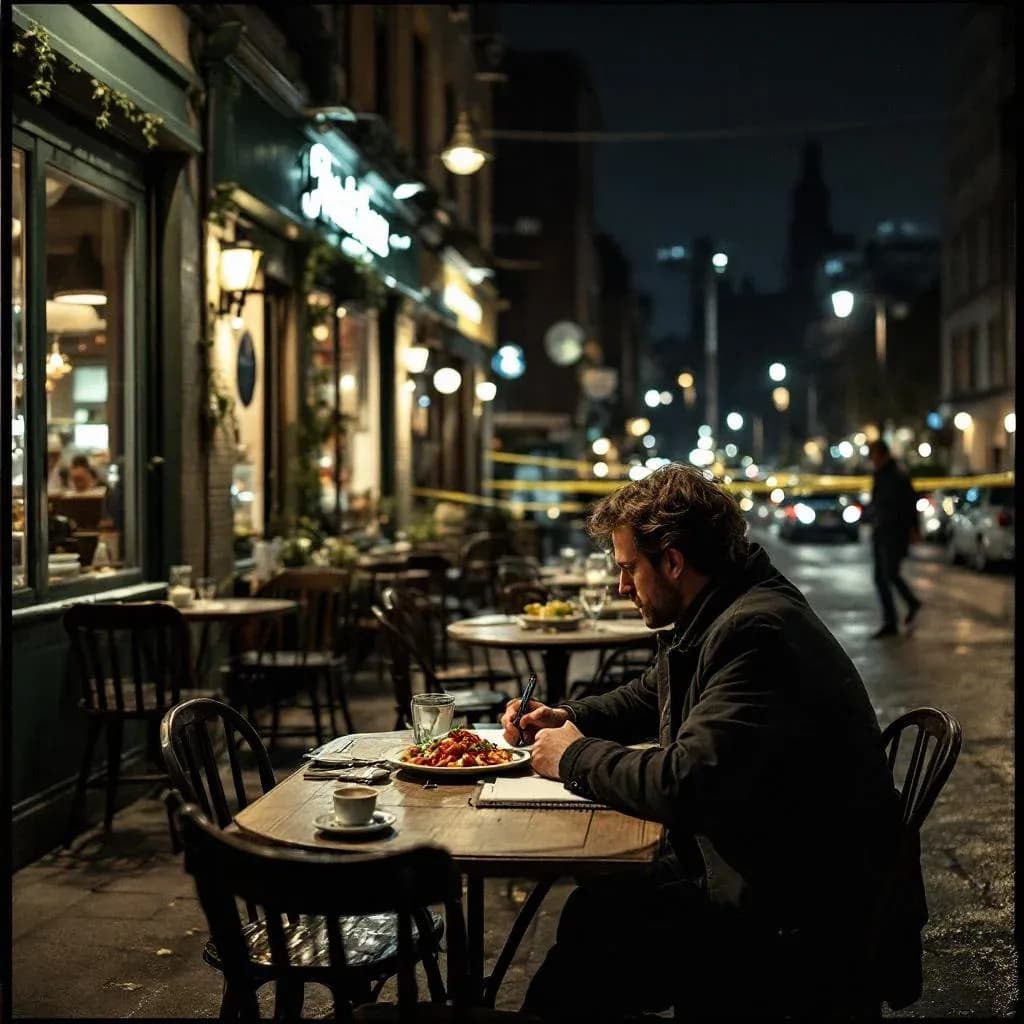
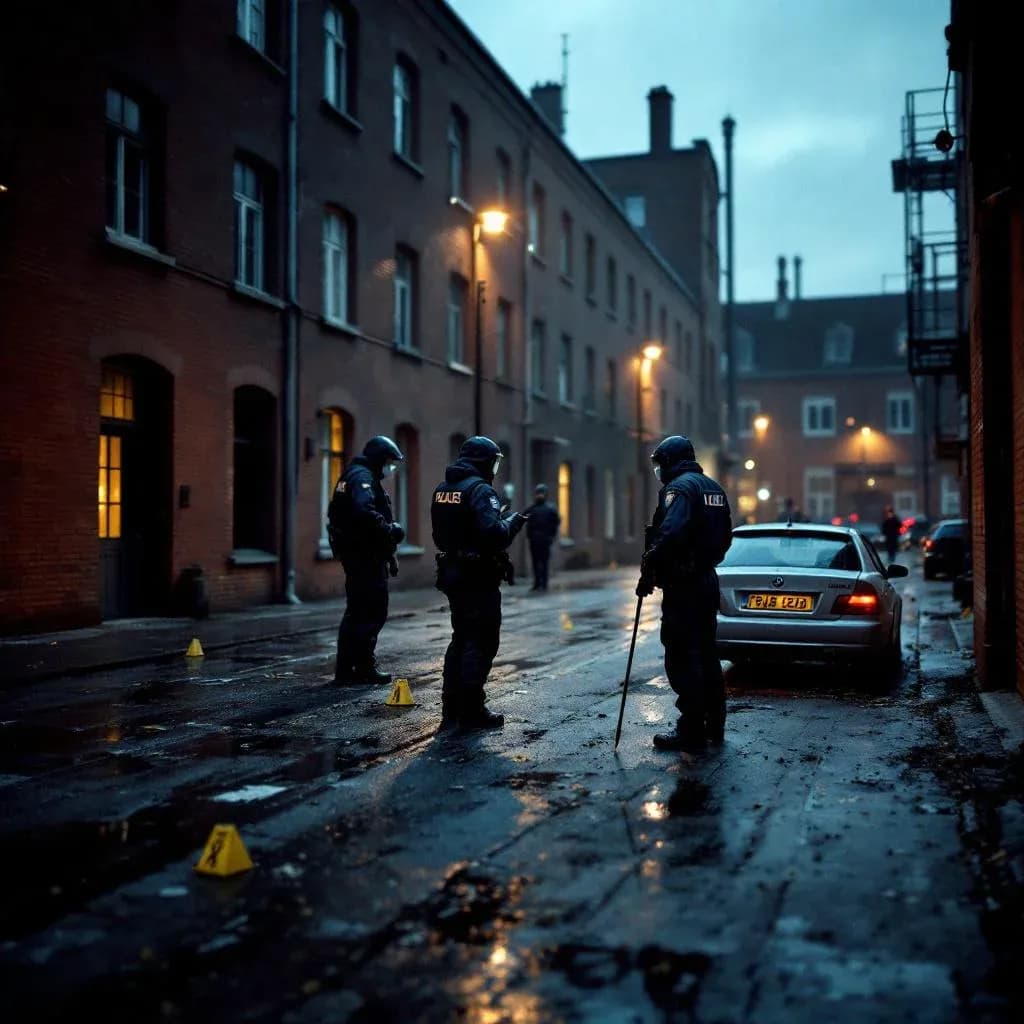
Italian journalist Petra Reski, who has spent decades specializing in organized crime across Europe, presents in her work "Die Paten von Duisburg" (The Godfathers of Duisburg) a stark analysis of 'Ndrangheta's presence in Germany. At its center is the massacre of August 15, 2007, when six men were shot dead outside an Italian restaurant in Duisburg—the worst mafia killing on German soil.
Reski's book is more than a reconstruction of a single murder. It is an indictment of a system that deliberately closed its eyes to reality for decades. The Calabrian mafia organization 'Ndrangheta—the most powerful and secretive among Italy's mafia groups—had long infiltrated major German cities, yet German authorities consistently refused to acknowledge the problem.
Investigation methods from a mafia expert
Reski combines investigative journalism with meticulous source work. She examines court documents, conducts interviews with investigators, and analyzes the structures of Calabrian clans. Through this work, she documents how the blood-feud logic of southern Italy was exported to North Rhine-Westphalia, and why the Duisburg killing was part of an international power struggle between 'Ndrangheta families rather than an isolated incident.
The author meticulously documents how organized crime was systematically underestimated in Germany. She reveals that German security agencies ignored warnings from Italian counterparts and treated 'Ndrangheta as an "Italian problem"—even as it became clear that Germany served as a safe haven, money-laundering paradise, and operational base.
The Duisburg massacre as a turning point
In broad daylight outside a restaurant in downtown Duisburg, six men were executed. The victims belonged to the Pelle-Vottari family; the perpetrators to the rival Strangio-Nirta family—both deeply rooted in 'Ndrangheta's stronghold of San Luca in Calabria. The murder was the culmination of a feud that began at a carnival celebration in Italy.
Reski shows how this mafia killing shocked the German public and finally forced a reckoning. Suddenly, politicians and investigators had to admit what experts like Reski had warned about for years: 'Ndrangheta operates on German territory.
Structures behind invisibility
A central chapter addresses why 'Ndrangheta remained so successfully hidden. Unlike the Sicilian Cosa Nostra or the Neapolitan Camorra, the Calabrian mafia operates with extreme discretion. It avoids media attention, invests in legitimate businesses, and maintains an inconspicuous image.
Reski reveals how money laundering takes place through restaurants, pizzerias, and construction firms. She describes the role of German business partners who—knowingly or unknowingly—support the system. Particularly crucial: Her investigation suggests that parts of the German economy benefited from mafia infiltration.
Reactions and influence
The book sparked heated debates. While security experts and Italian authorities praised Reski's work, some German officials reacted defensively. The author was awarded a prestigious prize—recognition of her years of often dangerous work.
Critics accused Reski of dramatizing. Yet subsequent investigations and trials largely confirmed her thesis. Today, "Die Paten von Duisburg" is regarded as the standard work for understanding 'Ndrangheta's presence in Germany—and as a warning about the dangers of institutional blindness to transnational organized crime.
The legacy of an uncomfortable voice
With this book, Petra Reski has done more than document a single crime. She has exposed systemic failure. Her work demonstrates that true crime can be more than sensationalist journalism—it can be a tool for illuminating power structures that operate in the shadows and undermine democratic societies from within.