Denmark's Hidden Gang Wars: A Decade of Nordic Criminal Conflict
How journalists mapped Scandinavia's most violent underworld struggle
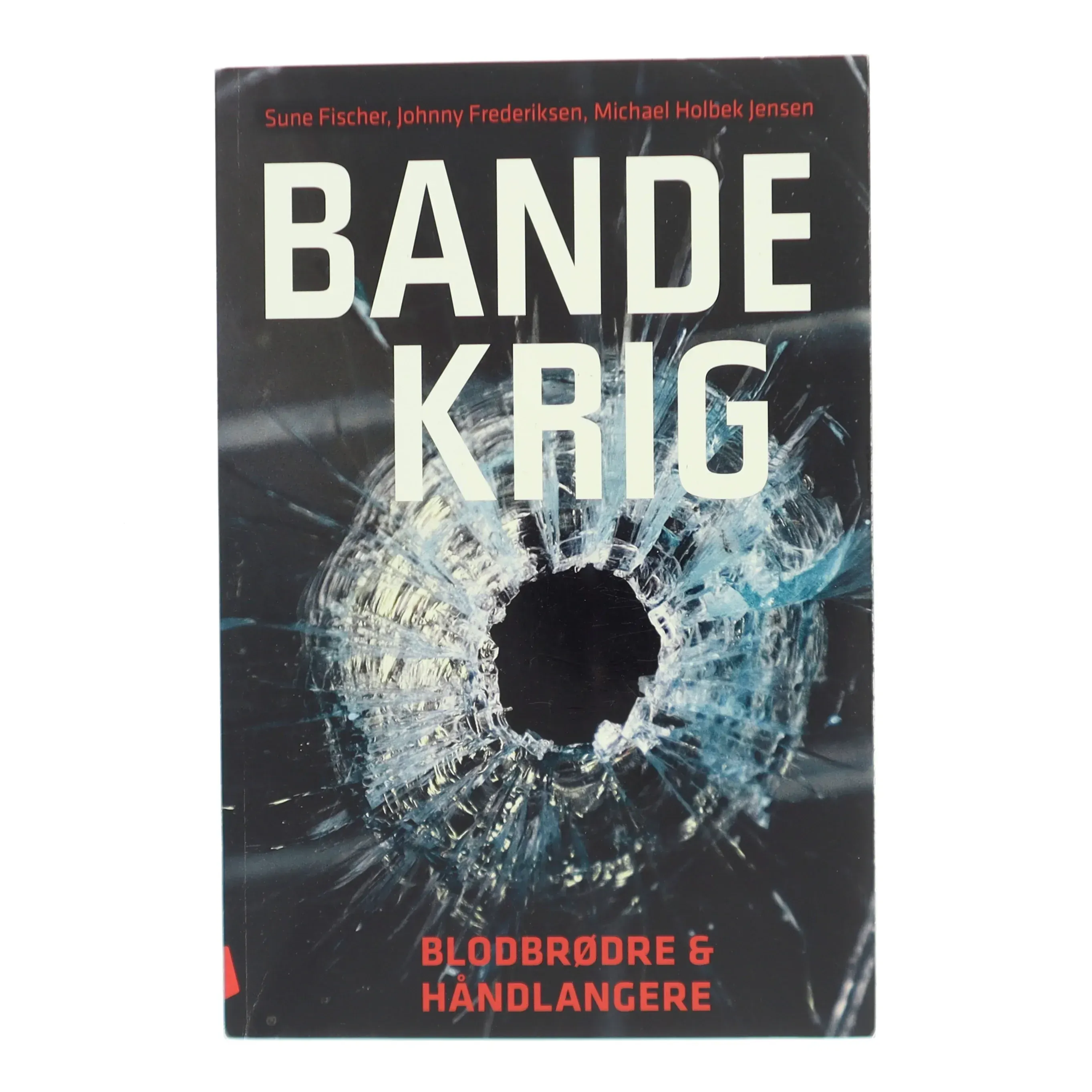
In April 2012, a Danish publishing house released what would become the first comprehensive documentation of Denmark's gang underworld: a 239-page illustrated volume titled *Bandekrig: Blodbrødre og håndlangere* (Gang War: Blood Brothers and Henchmen).
Written by investigative journalists Sune Fischer, Johnny Frederiksen, and Michael Andersen, the book mapped a decade of escalating violence that had transformed Denmark into the stage for one of Europe's most intense organized crime conflicts—a struggle largely invisible to the English-speaking world.
**Mapping the Nordic Underworld**
The gang wars documented in the book represent a distinctly Scandinavian phenomenon: intense territorial battles between motorcycle gangs with international links (primarily Hells Angels and Bandidos) and ethnically organized immigrant crime networks. Unlike traditional mafia structures found in Southern Europe, these conflicts emerged from localized disputes over drug markets and street control, expanding into systematic violence that killed dozens and spawned hundreds of criminal convictions.
For international crime observers, the Danish case offers critical insights into how organized crime operates in wealthy Nordic democracies with strong law enforcement. The conflicts didn't follow traditional hierarchical patterns; instead, they reflected shifting alliances, neighborhood-based rivalries, and generational recruitment among immigrant communities and motorcycle club subcultures.
**The Brutality Behind Closed Doors**
The book's central focus—territorial struggles between rockers and immigrant gangs from 2007 onwards—documents a period when Denmark's streets became battlegrounds. Central figures emerged, including Jørn Jønke Nielsen and Abderrozak Benarabe (known as "Store A"), whose networks represented competing visions of organized crime's future in Copenhagen and beyond.