The Lucy Letby Case — Neonatal Nurse Serial Killer Conviction
Chester, England, 2015–2016 — Legally solved, publicly disputed
Published June 9, 2026
Quick Facts
The Case
The Lucy Letby case is one of the most controversial criminal convictions in recent British legal history. Lucy Letby, born 4 January 1990 in Hereford, worked as a neonatal nurse at Countess of Chester Hospital where she was convicted of murdering seven babies and attempting to murder seven more between June 2015 and June 2016. She received whole-life prison orders in August 2023, making her one of only a handful of women in British history to receive such a sentence.
While the case is legally solved through multiple criminal convictions, it remains intensely disputed in public and academic circles. Some medical and statistical experts have raised significant questions about the evidence used to convict Letby, arguing that the prosecution case may have relied on flawed interpretations of medical data and statistical correlations that do not prove causation. This tension between legal finality and scientific uncertainty has made the Letby case a focal point for debates about expert testimony in complex medical prosecutions.
The Crime
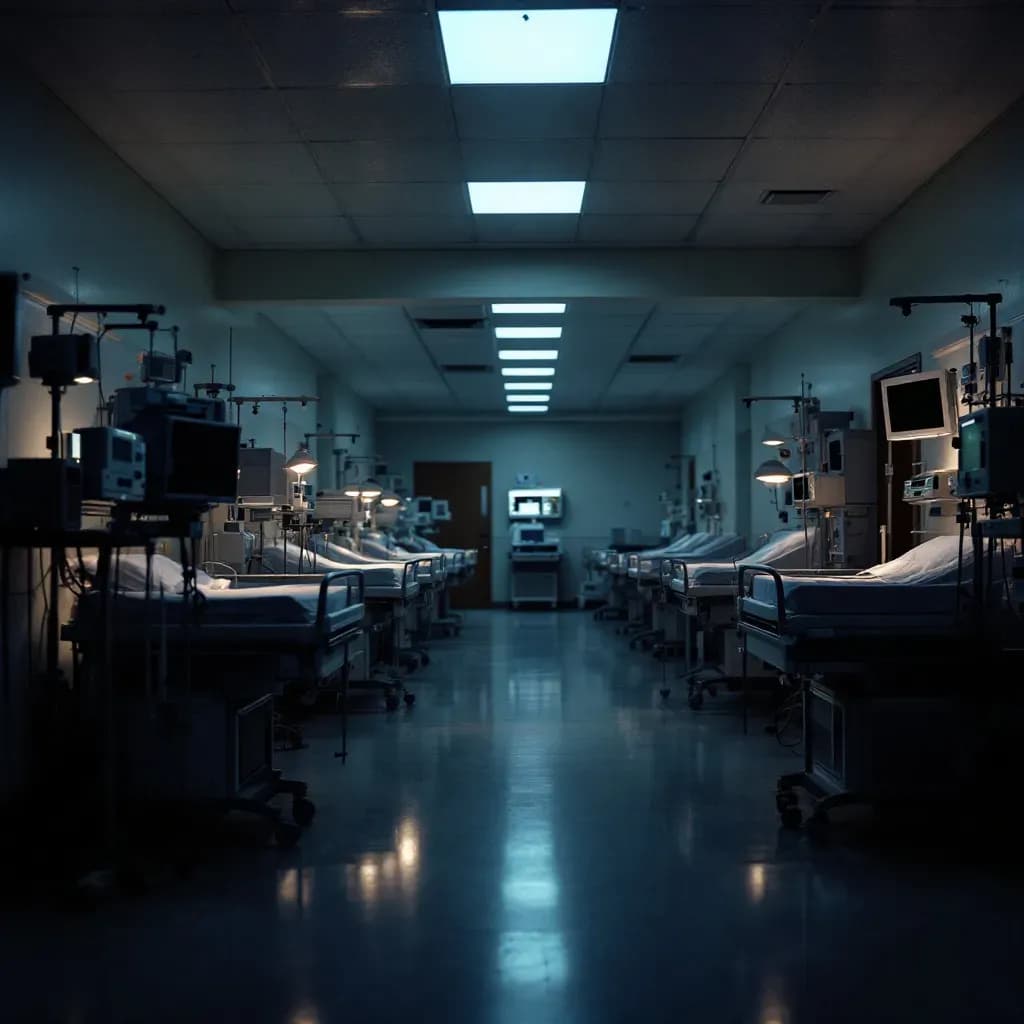
Between June 2015 and June 2016, the neonatal unit at Countess of Chester Hospital experienced an unprecedented cluster of infant deaths and sudden, unexplained collapses. The prosecution alleged that Letby deliberately harmed vulnerable premature and sick newborns through methods including injecting air, poisoning with insulin, overfeeding milk, and manipulating breathing tubes.
Timeline
Offense period begins at Countess of Chester Hospital
From June 2015, the alleged acts took place in the neonatal unit in Chester. The period extends to June 2016.
Offense period ends — June 2016
The one-year period during which the crimes allegedly took place, according to the prosecution, ends in June 2016.
Jury delivers guilty verdict — August 18, 2023
At Manchester Crown Court, Lucy Letby is found guilty of 7 murders and 7 attempted murders. She is acquitted on 2 counts; the jury fails to reach a verdict on 6.
Whole-life order handed down — August 21, 2023
Lucy Letby is sentenced to life with a whole-life order. She can never be released. She does not appear in court for the sentencing.
Crown Prosecution Service: no further charges — January 2026
After reviewing additional allegations, the Crown Prosecution Service announces in January 2026 that no new charges will be brought against Letby.
The attacks allegedly occurred during Letby's shifts, with prosecutors presenting evidence that she was the only staff member present during all the incidents in question. Babies reportedly displayed unusual symptoms including skin discolouration interpreted as signs of air embolism, abnormal insulin levels suggesting deliberate poisoning, and unexpected collapses that did not follow typical patterns for their underlying medical conditions.
The prosecution's theory relied heavily on circumstantial evidence: Letby's presence during incidents, medical records showing unusual patterns, and what prosecutors described as suspicious behaviour including repeatedly accessing confidential medical files of the affected families after incidents occurred. Handwritten notes found at her home during police searches were presented as confessional statements, including phrases such as "I am evil I did this" and "I killed them on purpose."
The Victims
The babies affected in this case were among the most vulnerable patients in healthcare: premature and seriously ill newborns requiring intensive care. To protect their identities, the infants were referred to in court proceedings and public reporting as "Child A" through "Child Q" rather than by their real names. This anonymity, standard practice in British courts for child victims, means their individual identities remain legally protected.
The seven murder convictions involved babies who died during the alleged attacks, while the seven (later eight, following retrial) attempted murder convictions related to infants who survived but experienced unexplained medical crises. Some babies suffered multiple alleged attack attempts. The families of these children have been at the centre of one of the most traumatic criminal cases in recent British history, many of them maintaining belief in Letby's guilt while others have expressed uncertainty about the conviction.
Investigation
Concerns about the unusual cluster of deaths and collapses were first raised internally by consultant paediatricians at the hospital in 2015 and 2016. Hospital management initially resisted external investigation, and Letby was moved to administrative duties rather than immediately reported to police. This delay would later become a subject of significant criticism and investigation by healthcare regulators.
Formal police involvement began in 2017, with Cheshire Constabulary launching what would become one of the most complex medical investigations in British criminal history. The investigation involved reviewing thousands of pages of medical records, consulting medical experts, and attempting to establish patterns in the deaths and collapses.
Letby was arrested in 2019 and released on bail, then arrested again in November 2020 as the investigation progressed. Police searches of her home uncovered handwritten notes, medical records that should have remained at the hospital, and evidence of internet searches related to the families of affected babies.
Key prosecution evidence included statistical analysis showing Letby's presence during all alleged incidents, medical expert testimony interpreting physical signs and test results as evidence of deliberate harm, and behavioural evidence including the retention of hospital documents and the handwritten notes. The defence argued that the deaths and collapses could be explained by natural causes given the babies' serious underlying conditions, that the hospital had sewage and infection control problems during the relevant period, and that correlation does not prove causation.
Trial and Verdict
The main trial began in October 2022 at Manchester Crown Court and lasted ten months, making it one of the longest murder trials in English legal history. The prosecution called numerous medical experts, families of the affected babies, and hospital staff who had worked alongside Letby.
On 18 August 2023, the jury convicted Letby of seven counts of murder and seven counts of attempted murder. She was acquitted on two attempted murder counts, and the jury could not reach verdicts on several other charges. She received whole-life orders, meaning she will never be eligible for parole.
Letby did not attend her sentencing hearing, a decision that prompted legislative changes in England and Wales requiring defendants to be present for sentencing in the most serious cases. In July 2024, a retrial on one of the counts where the original jury could not agree resulted in an additional conviction for attempted murder.
The convictions have been appealed. In May 2024, Letby's legal team sought leave to appeal, with arguments expected to focus on the reliability of medical expert testimony and statistical evidence used at trial.
Today
Lucy Letby is currently incarcerated serving whole-life orders at HMP Bronzefield in Surrey, England. She maintains her innocence and continues to pursue appeals against her convictions.
The case has generated extraordinary public and professional controversy. In January 2026, the Crown Prosecution Service announced that no further charges would be brought against Letby in relation to additional allegations of deaths and non-fatal incidents, stating the evidential test was not met.
The scientific community has engaged in intense debate about the case. Some statisticians, medical professionals, and legal commentators have raised concerns that the conviction may represent a miscarriage of justice based on flawed statistical reasoning and medical evidence. Critics argue the evidence was insufficient to prove deliberate harm beyond reasonable doubt, pointing to potential alternative explanations for the deaths and collapses, including hospital infection control failures and the inherent fragility of extremely premature infants.
The case has prompted a public inquiry into events at the Countess of Chester Hospital, examining not only Letby's actions but also hospital management decisions, the handling of early concerns raised by doctors, and systemic issues in patient safety and whistleblowing procedures.
Media coverage has been extensive and international, with documentary series examining both the prosecution case and the emerging scientific criticisms. The case has become a touchstone for broader discussions about how courts handle complex medical evidence, the role of statistical analysis in criminal prosecutions, and the challenges of distinguishing genuine criminal conduct from tragic outcomes in medical settings where vulnerable patients routinely face life-threatening conditions.
The debate surrounding the Letby convictions continues to evolve, with legal scholars, medical professionals, and statisticians actively examining the evidence and its interpretation. Whether the convictions will ultimately stand or be overturned on appeal remains one of the most closely watched questions in British criminal justice.
Media coverage
TV series
- Netflix Documentary on Lucy Letby Case Premieres in February(2026)
Ask about this case
Answers from KrimiNyt's coverage onlyFollow this case
Get an email when a new documentary, podcast or book about The Lucy Letby Case — Neonatal Nurse Serial Killer Conviction appears, or when a verdict is reached.