The Getty Fortune's Darkest Hour: A Teenage Heir's Nightmare
How a 16-year-old oil magnate's grandson survived five months of torture and extortion by Italian organized crime
Published June 6, 2025
Quick Facts
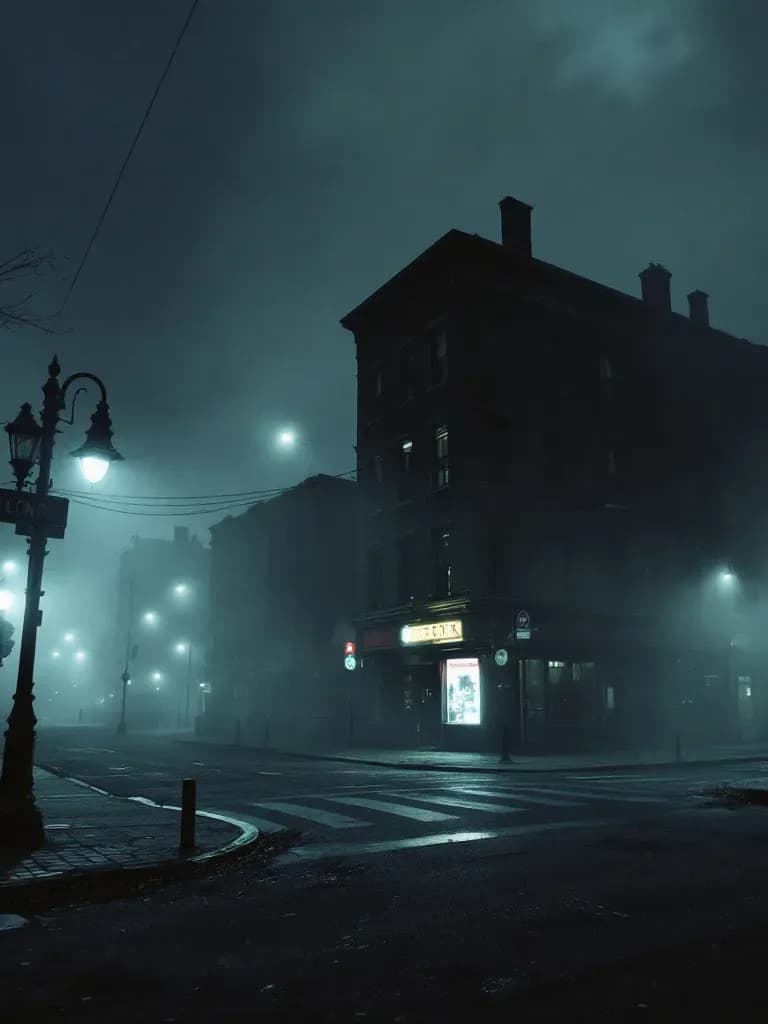
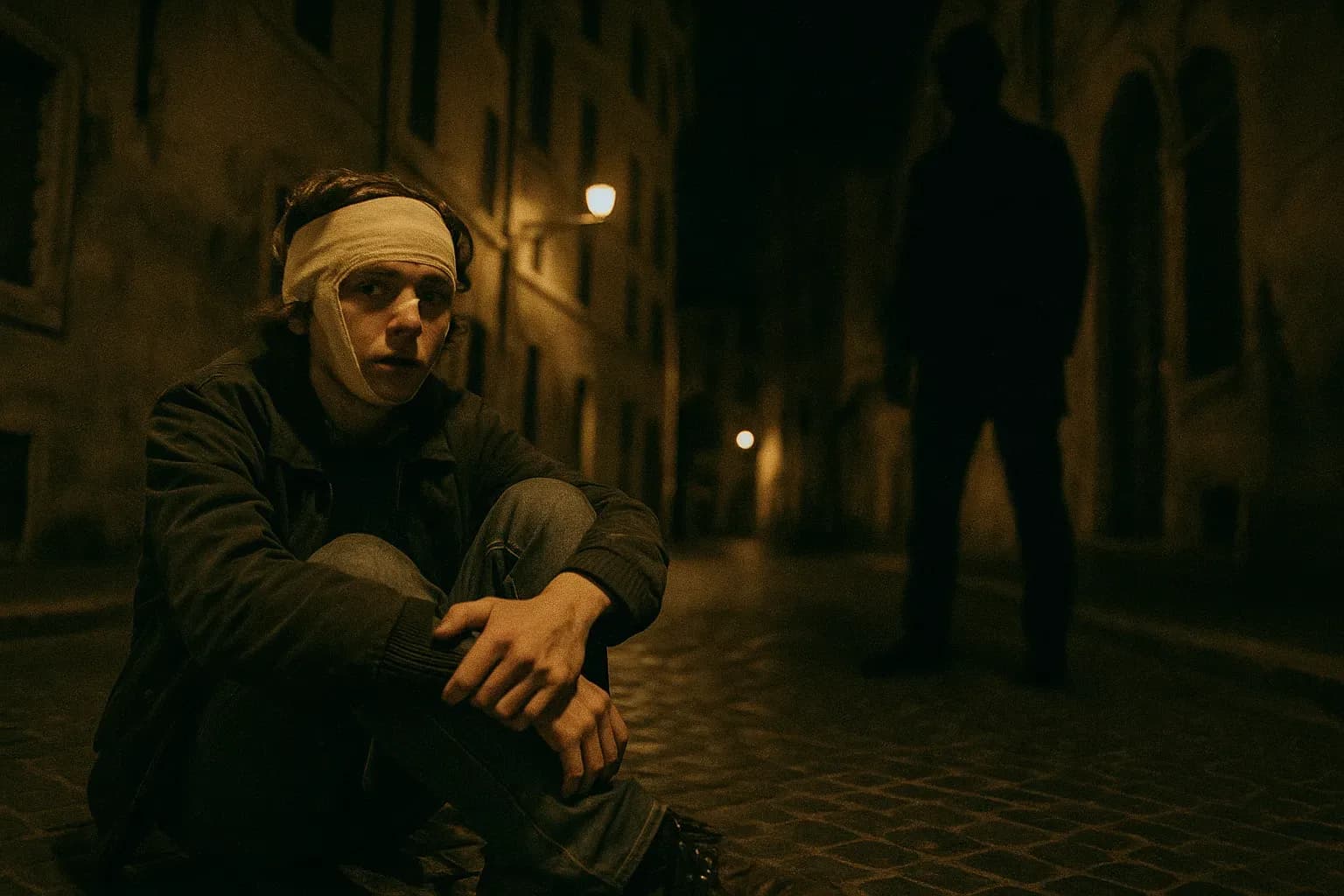
At 3 a.m. on July 10, 1973, 16-year-old John Paul Getty III was seized from the Piazza Farnese in Rome by members of the 'Ndrangheta, a ruthless organized crime syndicate from Calabria in southern Italy. Blindfolded and transported to a remote cave, the teenage heir to the Getty oil fortune entered a nightmare that would define his life.
Getty's abductors initially demanded $17 million—equivalent to approximately $123 million in 2025 dollars. The ransom demand was so extreme that his family suspected it was an elaborate hoax orchestrated by the rebellious teenager himself, who had embraced the hippie counterculture and was known for his unpredictable behavior.
But this was no teenage prank. Inside the cave, Getty's captors subjected him to psychological and physical torture. They confiscated his radio, killed his pet bird, and forced him to participate in games of Russian roulette. For months, the family remained unconvinced of the kidnapping's authenticity—a costly skepticism that intensified the ordeal.
Timeline
John Paul Getty III kidnapped from Piazza Farnese in Rome
The 16-year-old Getty was kidnapped on July 10, 1973, in the middle of Rome by members of the 'Ndrangheta. The family shortly afterwards receives a ransom demand of 17 million dollars.
Ransom demand of 17 million dollars issued
Following the kidnapping, the kidnappers issue a demand for 17 million dollars – one of the highest ransom demands in European criminal history at the time.
Victim's severed ear sent to the family by mail
To put maximum pressure on the family, the kidnappers cut off John Paul Getty III's right ear and send it by mail. The act causes international horror.
John Paul Getty III released on December 15, 1973
After approximately five months in captivity and the payment of a reduced ransom, Getty is released on December 15, 1973, in southern Italy.
Nine suspects arrested in connection with the case
Italian authorities arrested nine suspects with ties to the 'Ndrangheta, including named figures such as Girolamo Piromalli and Saverio Mammoliti. (Year verified; exact date not verified.)
Two convicted – remaining seven acquitted, including Piromalli and Mammoliti
The trial ended with the conviction of two of the nine arrested. Piromalli, Mammoliti and the others are acquitted for lack of evidence. (Year is approximate; exact date not verified.)
The turning point came in November 1973, four months into the captivity. The kidnappers dispatched a chilling package to an Italian newspaper containing one of Getty's severed ears, a lock of his hair, and a typed letter. The message was brutally simple: "This is Paul's first ear." Along with the mutilated evidence, they lowered their demand to $3.2 million, equivalent to roughly $23.2 million in 2025.
The ear severed the final thread of doubt. Getty's grandfather, J. Paul Getty—one of the world's wealthiest men and head of the oil empire—had initially refused to pay, citing concern that capitulating would endanger his 13 other grandchildren. The threat of further mutilation changed his calculus. After negotiations, the family paid approximately $2.7 million to secure the teenager's release.
In late December 1973, after five months in captivity, John Paul Getty III was freed. No additional mutilations were reported following the payment, and he was reunited with his family.
The kidnapping's psychological scars proved far deeper than any physical wounds. Getty emerged from captivity profoundly traumatized. He continued his drift into counterculture excess, struggling with substance abuse that would plague him for decades. In 1981, at age 24, he suffered a severe stroke attributed to his heavy alcohol use. The stroke left him partially paralyzed, confining him to a wheelchair for the remainder of his life.
Getty lived another three decades in his diminished state, dying in 2011 at age 54. The grandson of one of history's richest men spent his final years marked by the physical devastation of his stroke—a cruel irony for someone already scarred by one of Europe's most notorious kidnappings.
While Getty survived his ordeal, his case remains a stark reminder of the vulnerability even wealth cannot guarantee. The 'Ndrangheta's brazen abduction of an American heir exposed the reach of Italian organized crime and left an indelible mark on one of the world's most prominent families. For John Paul Getty III, the nightmare that began on a Rome street in 1973 never truly ended.
Sources
https://archive.sltrib.com/article.php?id=51216194&itype=CMSID
https://en.wikipedia.org/wiki/John_Paul_Getty_III
Ask about this case
Answers from KrimiNyt's coverage onlyFollow this case
Get an email when a new documentary, podcast or book about The Getty Fortune's Darkest Hour: A Teenage Heir's Nightmare appears, or when a verdict is reached.