True crime news logo
  • News
True crime news logo

The international true crime destination. Cases, documentaries, podcasts and travel routes.

© 2026 truecrime.news. All rights reserved.

Sagsmappe

Three Years Without Trial: How Kalief Browder Changed American Justice

A 16-year-old held at Rikers Island for 1,100 days on unproven charges became the face of bail system reform—and a tragic cautionary tale

Sagsdetaljer

Quick Facts

Klassifikation:

Sager der forandrede verden
Sted
Rikers Island, New York City, USA

Ændrede bail-systemet i New York

Quick Facts

LocationRikers Island, New York City, USA

On May 25, 1993, Kalief Browder was born in the Bronx. Sixteen years later, his life would become entangled in one of America's most dysfunctional criminal justice systems—a collision that would ultimately reform federal policy on juvenile detention.

In 2010, Browder was arrested after matching the description of someone who had stolen a backpack. Police charged him with robbery, grand larceny, and assault. There was one critical problem: no backpack was found on him or his friend at the time of arrest.

Browder's family could not afford the $3,000 bail. Rather than plead guilty to crimes he didn't commit, the teenager chose to fight the charges. That decision would cost him dearly.

**The Years Inside**

From 2010 to 2013, Kalief Browder remained incarcerated at Rikers Island—the sprawling jail complex in New York City's East River. Over 1,100 days, he was held without trial, caught in a legal labyrinth that seemed to have no exit.

During his detention, Browder spent approximately 700 to 800 days in solitary confinement, depending on the source. The psychological toll was immense. Yet he refused multiple plea deals, insisting on his innocence despite mounting pressure.

When Browder was finally released in 2013, the charges against him were dropped. He had been right all along. The system had failed him completely.

**Life After Release**

Browder emerged determined to rebuild. He passed his GED examination and enrolled at Bronx Community College, completing his first semester with an impressive 3.562 grade point average. By any measure, he was on a path to recovery.

But the invisible wounds of three years in solitary confinement proved deeper than academic achievement could heal. Browder attempted suicide multiple times and was hospitalized at St. Barnabas Hospital's psychiatric ward. The trauma of prolonged detention without conviction had fractured something that bars and bureaucracy could not repair.

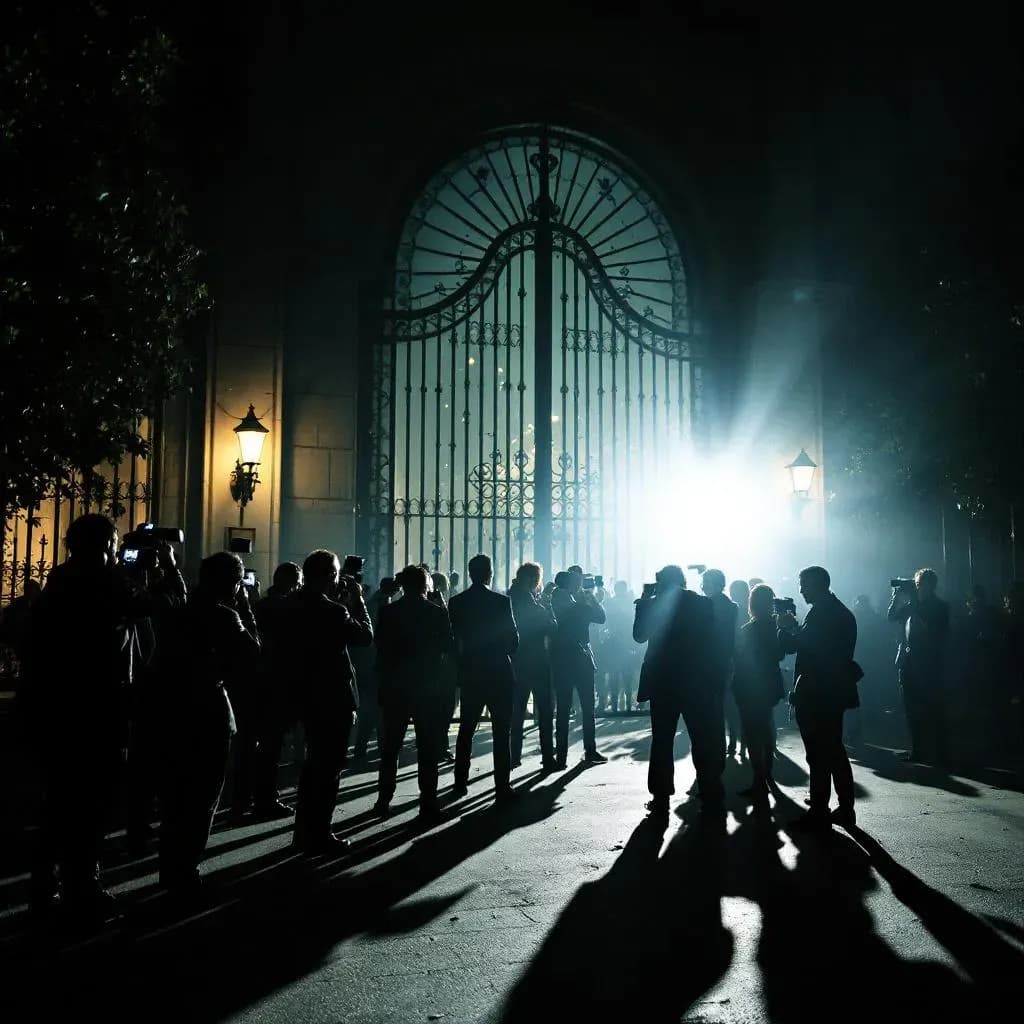
On June 6, 2015, at age 22, Kalief Browder took his own life by hanging. He was found at home by his mother.

**A System Changed**

Browder's death sparked a reckoning. His case became a symbol of everything broken in American criminal justice—a bail system that punishes the poor, pretrial detention without conviction, and the documented harms of solitary confinement on young minds.

On January 25, 2016, President Barack Obama signed an executive order banning solitary confinement of juveniles in federal prisons. Kalief Browder's name was invoked during the announcement. His three years in a cell had moved the highest office in the land.

In January 2019, New York City settled a civil lawsuit brought by the Browder family for $3.3 million—financial recognition of a system's catastrophic failure.

In 2017, the documentary series "Time: The Kalief Browder Story," produced by Jay-Z and Harvey Weinstein, brought his case to millions worldwide, ensuring his name would not fade from public memory.

**The Unfinished Work**

Kalief Browder's story remains a stark indictment of America's pretrial detention system and the casual cruelty of bail practices that disproportionately harm the poor and people of color. While his case prompted federal reform, the broader challenges persist—thousands of defendants still languish in jail awaiting trial they cannot afford to fight.

Browder's greatest legacy may be this: he proved that one teenager, failed by nearly every institution meant to protect him, could still change the system. The question remains whether America will fully learn the lesson he paid the ultimate price to teach.

**Sources**

https://en.wikipedia.org/wiki/Kalief_Browder https://exhibits.stanford.edu/saytheirnames/feature/kalief-browder https://www.lemonde.fr/international/article/2015/06/09/kalief-browder-temoin-emblematique-des-violences-commises-a-rikers-island-s-est-suicide_4649974_3210.html https://fr.wikipedia.org/wiki/Kalief_Browder https://www.aclu.org/news/smart-justice/kalief-browders-tragic-death-and-criminal-injustice-our-bail-system

Read more

Ghislaine Maxwell
Case

Ghislaine Maxwell

Der Fall Ghislaine Maxwell — die verifizierten Fakten
Case

Ghislaine Maxwell Case: The Verified Facts

Kahla-Massaker 1997
Case

Kahla-Massaker 1997

Related Content
Ghislaine Maxwell

Ghislaine Maxwell

Der Fall Ghislaine Maxwell — die verifizierten Fakten

Ghislaine Maxwell Case: The Verified Facts

Kahla-Massaker 1997

Kahla-Massaker 1997

Fritz Honka — Seriemorder i Hamburgs St. Pauli-kvarter

Fritz Honka — Seriemorder i Hamburgs St. Pauli-kvarter

Advertisement
SS

Susanne Sperling

Share this post:
Sagsmappe

Three Years Without Trial: How Kalief Browder Changed American Justice

A 16-year-old held at Rikers Island for 1,100 days on unproven charges became the face of bail system reform—and a tragic cautionary tale

Sagsdetaljer

Quick Facts

Klassifikation:

Sager der forandrede verden
Sted
Rikers Island, New York City, USA

Ændrede bail-systemet i New York

Quick Facts

LocationRikers Island, New York City, USA

On May 25, 1993, Kalief Browder was born in the Bronx. Sixteen years later, his life would become entangled in one of America's most dysfunctional criminal justice systems—a collision that would ultimately reform federal policy on juvenile detention.

In 2010, Browder was arrested after matching the description of someone who had stolen a backpack. Police charged him with robbery, grand larceny, and assault. There was one critical problem: no backpack was found on him or his friend at the time of arrest.

Browder's family could not afford the $3,000 bail. Rather than plead guilty to crimes he didn't commit, the teenager chose to fight the charges. That decision would cost him dearly.

**The Years Inside**

From 2010 to 2013, Kalief Browder remained incarcerated at Rikers Island—the sprawling jail complex in New York City's East River. Over 1,100 days, he was held without trial, caught in a legal labyrinth that seemed to have no exit.

During his detention, Browder spent approximately 700 to 800 days in solitary confinement, depending on the source. The psychological toll was immense. Yet he refused multiple plea deals, insisting on his innocence despite mounting pressure.

When Browder was finally released in 2013, the charges against him were dropped. He had been right all along. The system had failed him completely.

**Life After Release**

Browder emerged determined to rebuild. He passed his GED examination and enrolled at Bronx Community College, completing his first semester with an impressive 3.562 grade point average. By any measure, he was on a path to recovery.

But the invisible wounds of three years in solitary confinement proved deeper than academic achievement could heal. Browder attempted suicide multiple times and was hospitalized at St. Barnabas Hospital's psychiatric ward. The trauma of prolonged detention without conviction had fractured something that bars and bureaucracy could not repair.
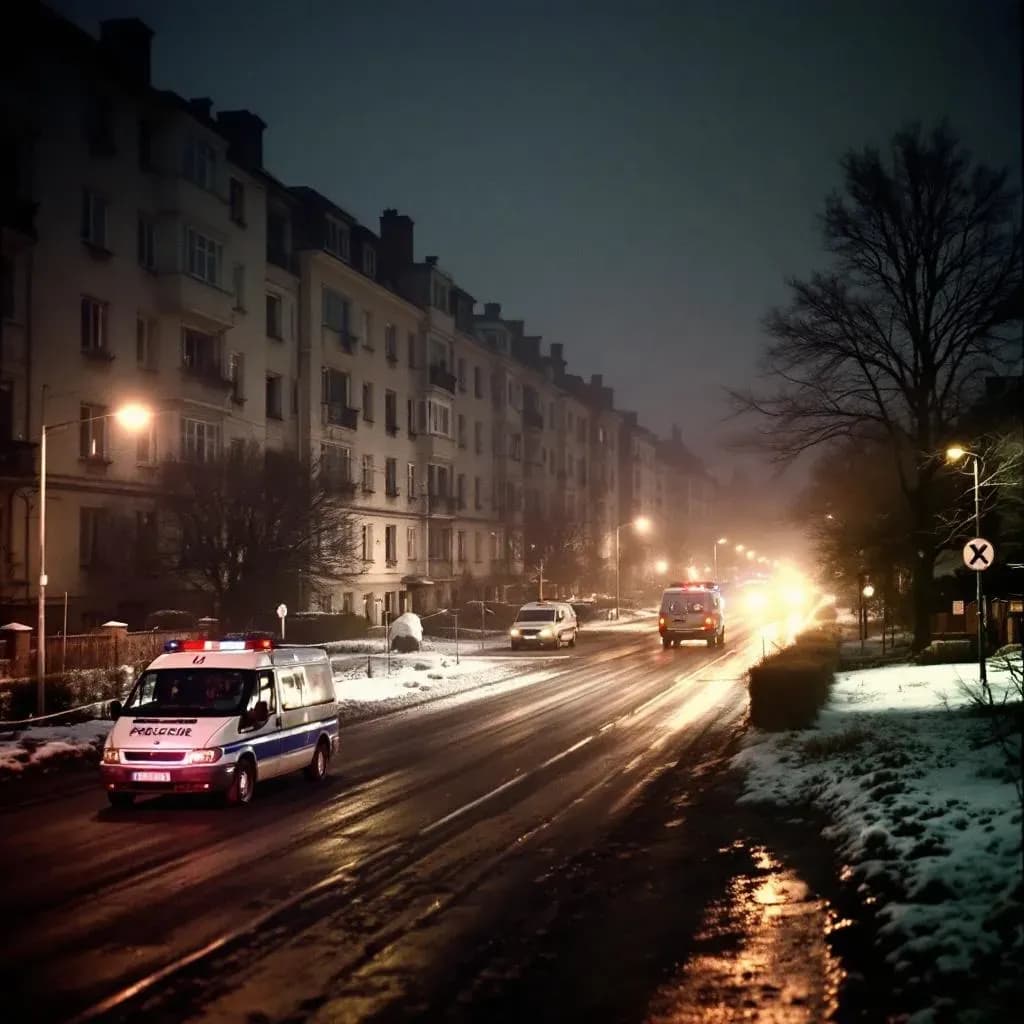
On June 6, 2015, at age 22, Kalief Browder took his own life by hanging. He was found at home by his mother.

**A System Changed**

Browder's death sparked a reckoning. His case became a symbol of everything broken in American criminal justice—a bail system that punishes the poor, pretrial detention without conviction, and the documented harms of solitary confinement on young minds.

On January 25, 2016, President Barack Obama signed an executive order banning solitary confinement of juveniles in federal prisons. Kalief Browder's name was invoked during the announcement. His three years in a cell had moved the highest office in the land.

In January 2019, New York City settled a civil lawsuit brought by the Browder family for $3.3 million—financial recognition of a system's catastrophic failure.

In 2017, the documentary series "Time: The Kalief Browder Story," produced by Jay-Z and Harvey Weinstein, brought his case to millions worldwide, ensuring his name would not fade from public memory.

**The Unfinished Work**

Kalief Browder's story remains a stark indictment of America's pretrial detention system and the casual cruelty of bail practices that disproportionately harm the poor and people of color. While his case prompted federal reform, the broader challenges persist—thousands of defendants still languish in jail awaiting trial they cannot afford to fight.

Browder's greatest legacy may be this: he proved that one teenager, failed by nearly every institution meant to protect him, could still change the system. The question remains whether America will fully learn the lesson he paid the ultimate price to teach.

**Sources**

https://en.wikipedia.org/wiki/Kalief_Browder https://exhibits.stanford.edu/saytheirnames/feature/kalief-browder https://www.lemonde.fr/international/article/2015/06/09/kalief-browder-temoin-emblematique-des-violences-commises-a-rikers-island-s-est-suicide_4649974_3210.html https://fr.wikipedia.org/wiki/Kalief_Browder https://www.aclu.org/news/smart-justice/kalief-browders-tragic-death-and-criminal-injustice-our-bail-system

Read more

Ghislaine Maxwell
Case

Ghislaine Maxwell

Der Fall Ghislaine Maxwell — die verifizierten Fakten
Case

Ghislaine Maxwell Case: The Verified Facts

Kahla-Massaker 1997
Case

Kahla-Massaker 1997

Related Content
Ghislaine Maxwell

Ghislaine Maxwell

Der Fall Ghislaine Maxwell — die verifizierten Fakten

Ghislaine Maxwell Case: The Verified Facts

Kahla-Massaker 1997

Kahla-Massaker 1997

Fritz Honka — Seriemorder i Hamburgs St. Pauli-kvarter

Fritz Honka — Seriemorder i Hamburgs St. Pauli-kvarter

Advertisement
SS

Susanne Sperling

Share this post: